
Australia’s social cohesion is under "sustained pressure", a new report warns, as terrorism, foreign conflict and the lingering effects of COVID-19 intensify pre-existing fractures in trust.
In its latest report, the Australian Strategic Policy Institute argues that online outrage is no longer an abstract social concern but a strategic risk to security.
The report has found social media platforms reward speed and spectacle over nuance and truth, and that politically motivated violence risk is elevated and more complex.
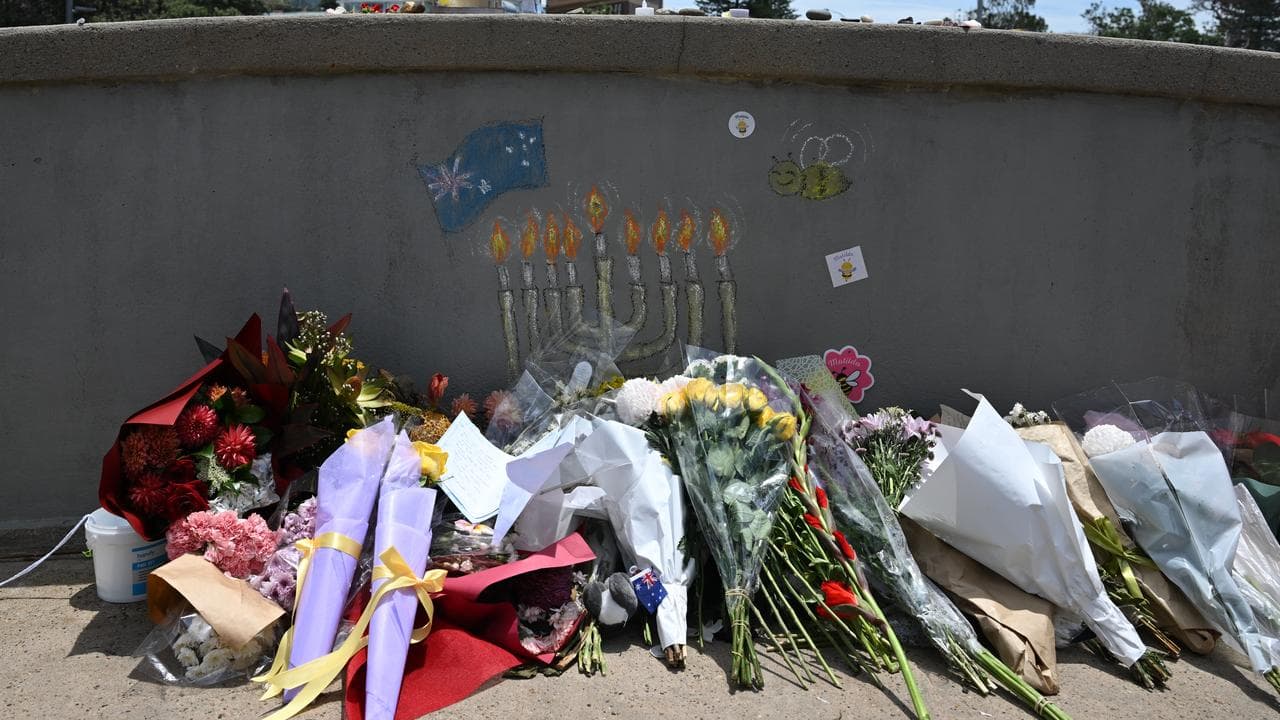
Rather than calling for censorship, it says social cohesion is a capability that must be actively built and protected like defence or cyber security.
“What Australia now requires, as individuals, communities and a nation, is a strengthened capacity to hold multiple, sometimes uncomfortable, beliefs simultaneously,” the report states.
“A democratic society must be capable of condemning terrorism, criticising state conduct, encouraging policy debate and protecting minority communities simultaneously, without collapsing into moral absolutism or grievance‐based justifications.”
The report also found Australians' trust in government, media and institutions has slipped, with grievance and disinformation filling in the gaps since the Bondi Beach terror attack, October 7 attacks by Hamas and the COVID-19 pandemic.

"Across this period, social media have turbocharged outrage, normalised aggression online and collapsed the space between online hostility and offline harm," the report states.
It has found trust in institutions has fallen since these defining events, as cynicism towards authority and expertise has increased.
It recommends the federal government appoint a national resilience communications lead in the Department of the Prime Minister and Cabinet to coordinate a national social cohesion communications strategy.
A digital outrage risk index overseen by the eSafety Commissioner to monitor "hyper-virality events" must also be established.


