
Tough crocodile management reforms don't go far enough, says a political party which is calling for an annual cull to stop swimmers becoming "croc bait" for the apex predators.
Expanded laws introduced by the Queensland government have given the green light to remove crocodiles threatening popular swimming holes and waterways.
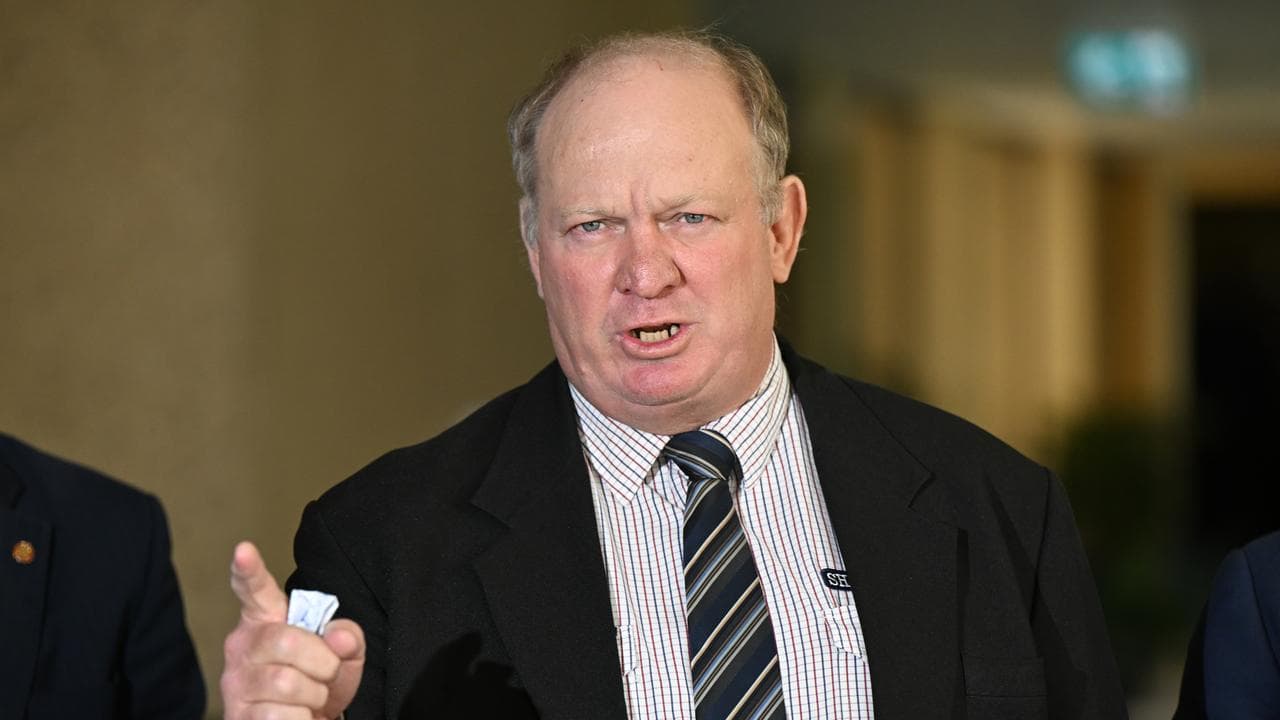
As far as the North Queensland MP Shane Knuth is concerned, it's still not enough.
"Over the last 20 years, we've seen an infestation of crocodiles throughout the north," he said on Wednesday.
"You will not make our waterways safe until you actually introduce a proper culling program policy that claims back our waterways.
"The crocodile population is exploding in Queensland and action must be taken to implement an annual cull. To say that a cull doesn’t lead to public safety is absurd."

The Katter's Australian Party member for Hill said the state's north was fed up with decisions made by those who have never seen a crocodile, tabling images of the reptiles caught in marine nets and lurking in a swimming pool.
"Too often the people making these decisions are those who have never lived in north Queensland, who have never swum in Stuart Creek or Saltwater Creek, who have never skied in the Johnstone River or somersaulted off the pontoons at Lake Placid," he said.
"If you try to swim across the Johnstone River, you will not make it alive."
Katter party MPs have long pushed for the plan's expansion along with laws to be relaxed to allow culling by landowners, the harvesting of crocodile eggs and hunting safaris led by Indigenous rangers.
"We have a whole generation of crocs that don’t fear humans and that is a dangerous predicament," Mr Knuth said.
"Queenslanders deserve to fish, swim, work and live without fear of becoming crocodile bait."
Legislation passed late on Tuesday expanded its crocodile management plan in a bid to protect communities and make it easier to remove the giant reptiles, preventing potential attacks.
The Queensland Crocodile Management Plan was developed in consultation with regional communities in the north and bolsters removal zones in areas including Ingham, Mulgrave and Mareeba.
Queensland Parks and Wildlife Service patrols will be increased in high-risk areas to prioritise public safety.
"This new plan streamlines the zones and introduces a reportable removal zone," Environment Minister Andrew Powell told parliament.
"If a crocodile turns up in a water body outside its typical habitat, we will target it for removal.
"Far too often, we hear reports of a croc turning up somewhere where it shouldn't - this plan ensures community safety in those areas."

Wildlife officers will remove any crocodile found in the Tyto Wetlands at Ingham, the Barron River and the Southedge Dam, near Mareeba under the revamped plan.
Predators larger than two metres displaying dangerous behaviour will be removed from three high-use waterholes on the Mulgrave River.
The management plan will be reviewed every five years to ensure communities remain protected.
“We’re delivering a commonsense plan which restores community safety as the priority,” Mr Powell said.
“More patrols and expansion of removal areas will prioritise safety and strike the balance needed for crocodile management in Queensland.”


