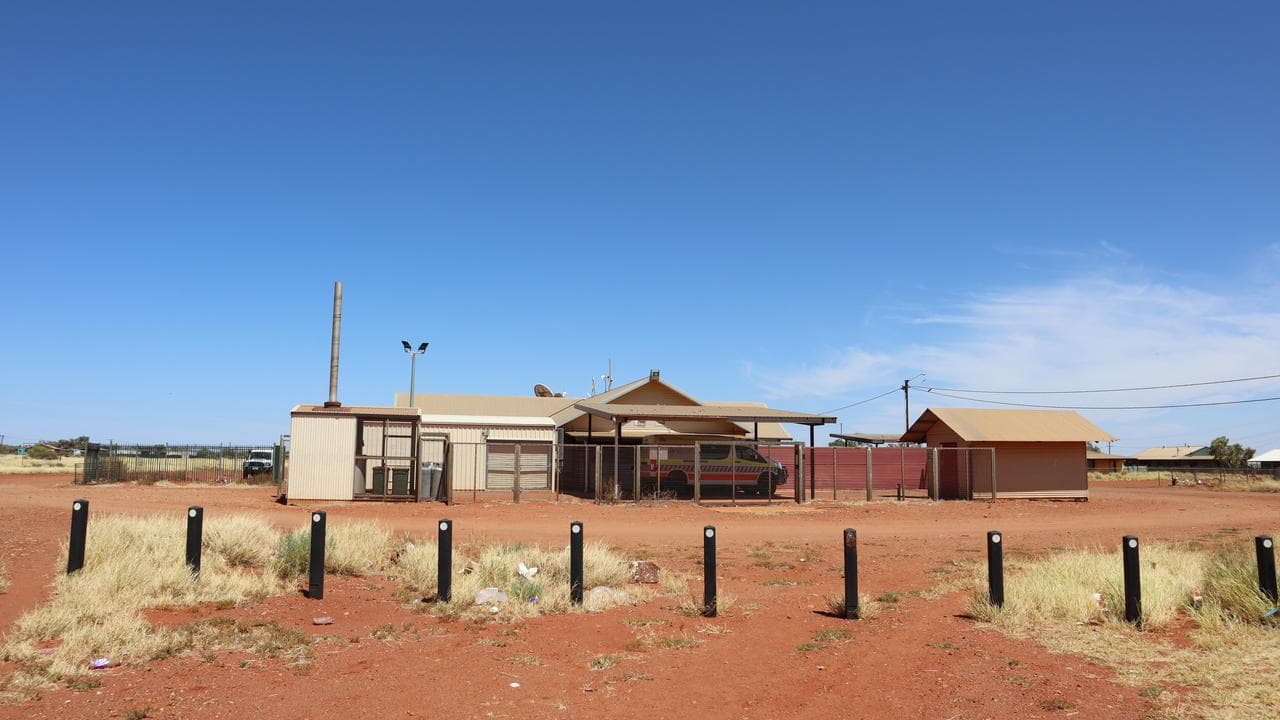
Patients treated in clinic corridors, makeshift offices in shipping containers and leaking roofs show more funding is needed to deliver quality health care to remote Indigenous communities, a new report says.
Outdated clinics, staff housing and infrastructure are making it harder for Aboriginal Community Controlled Health Services to meet community needs across the Northern Territory, it shows.
That undermines progress in health outcomes, says the Aboriginal Medical Services Alliance NT (AMSANT), the peak body that commissioned the Facing the Health Gap survey.
The clinics and staff housing are beyond their use-by date following decades of underinvestment, compromising healthcare delivery and driving away skilled health workers, AMSANT says.
A survey of the 14 primary healthcare providers to around 90 per cent of the NT’s Aboriginal population, found 93 per cent lacked adequate funding to maintain clinics and staff housing to safe and acceptable standards.
Half the facilities, including housing, require complete replacement while nearly 80 per cent are unable to meet demand and believe they are not equipped to meet growing demand.
Of the 14 providers, 11 had to reduce services in the past year due to lack of staff and more than 60 per cent missed critical specialist visits due to lack of equipment, the survey shows.
Half of the services reported more than 10 unfilled positions, with a third of staff working overtime daily to meet demand.
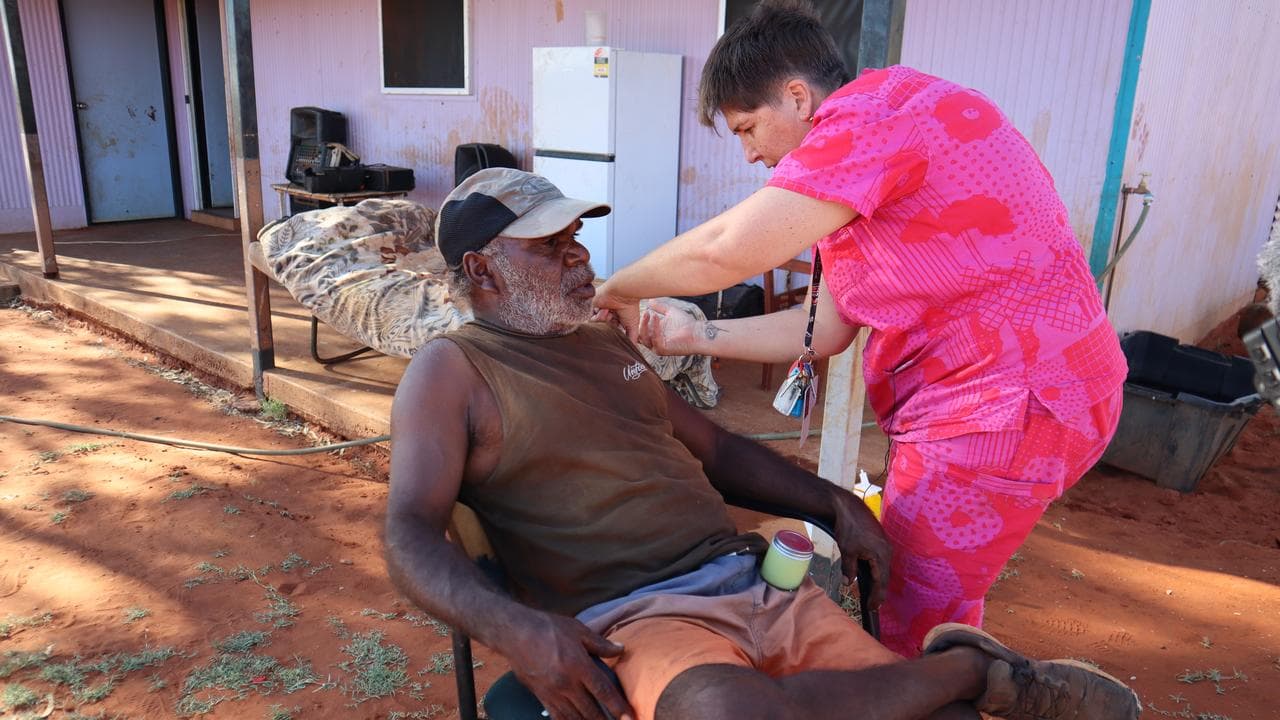
AMSANT chair Rob McPhee said the findings revealed an overwhelming need for urgent government investment in health infrastructure to ensure safe, modern facilities across the Territory.
“You can’t close the gap without strong foundations,” he said.
“Modern clinics and a supported workforce are essential to deliver the care communities deserve."
The survey cited examples of roof leaks in consulting rooms, wifi regularly dropping out in emergency departments and clinics forced to close when staff were fatigued from attending to overnight emergencies.
“Every Australian deserves safe, quality health care. We wouldn’t accept these conditions anywhere else, and we shouldn’t accept them here in the Territory,” Mr McPhee said in a statement.
Pintupi Homelands Health Service in Kintore, the most remote health service 540km west of Alice Springs, is struggling to fix leaking roofs in its 40-year-old clinic.
It has also had to lease shipping containers to use as makeshift public health offices to meet demand.
Miwatj Health’s Yirrkala clinic, which services more than 900 people in the East Arnhem region, is undersized and outdated, meaning patients are often treated in corridors due to lack of space, compromising privacy.
AMSANT is calling on the federal government to commit to an urgent one-off infrastructure fund to replace or restore facilities.
It also wants a roundtable of Indigenous health providers and federal and NT government representatives to discuss long-term solutions to ensure remote communities are not left behind.
"A funding boost to ensure facilities remain fit for purpose and fit for the future is essential," Mr McPhee said.


