
Should it win the New Zealand election, Labour would question the country's US "alignment" and possibly slow the pace of trans-Tasman defence collaboration.
However, would-be foreign minister Vanushi Walters has already met with Penny Wong, showing her commitment to the Australian alliance.
Ms Walters is the likely top Kiwi diplomat should the left claim the November 7 election, the closest New Zealand election in memory.
Laying out Labour's foreign policy approach, Ms Walters said relationships with the US and China were "equally important" to New Zealand, accusing the coalition under foreign minister Winston Peters of an unbalanced approach.
Unlike Australia, which is allied with the US, New Zealand maintains an independent foreign policy.
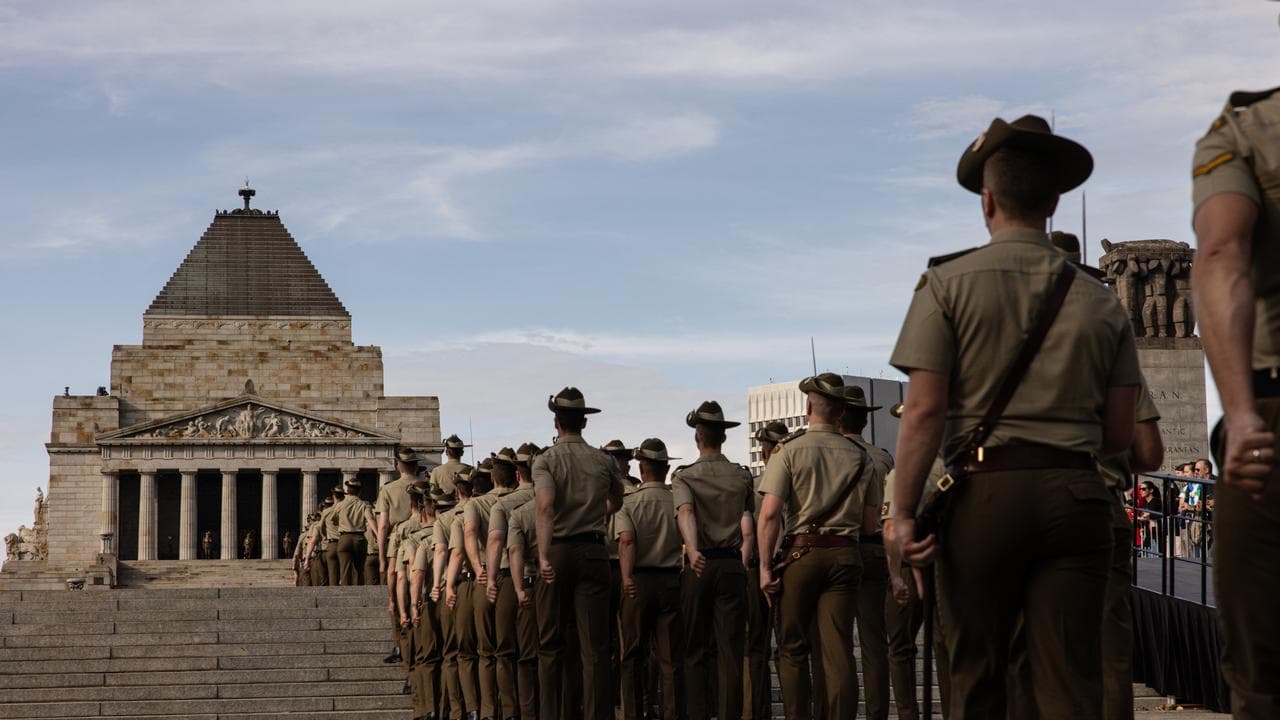
In an interview with AAP, Ms Walters said that further alignment with the US, particularly in the Pacific, would require pause for thought.
"New Zealand must restore our independent foreign policy," she said.
"Prime Minister Luxon said New Zealand could be a force multiplier for the US in the Pacific, and my view is that doesn't serve New Zealand's interests."
Ms Walters said her July trip to Canberra was a "very purposeful trip" to begin building a relationship with her would-be counterpart - the only foreign minister she has visited.
Top of the agenda, she said, was Pacific interests, climate change and geopolitical tensions in the region.
It was those tensions, driven by Chinese ambitions, which pushed New Zealand closer to the US under Labour's Jacinda Ardern in 2022.
Winston Peters, also the leader of the nationalistic NZ First party which shares an outlook with President Trump's Republicans, has deepened those relationships over the last three years.
The NZ coalition has also signed up for hand-in-glove combat-capable defence collaboration with Australia, and with it, an increased defence spend.
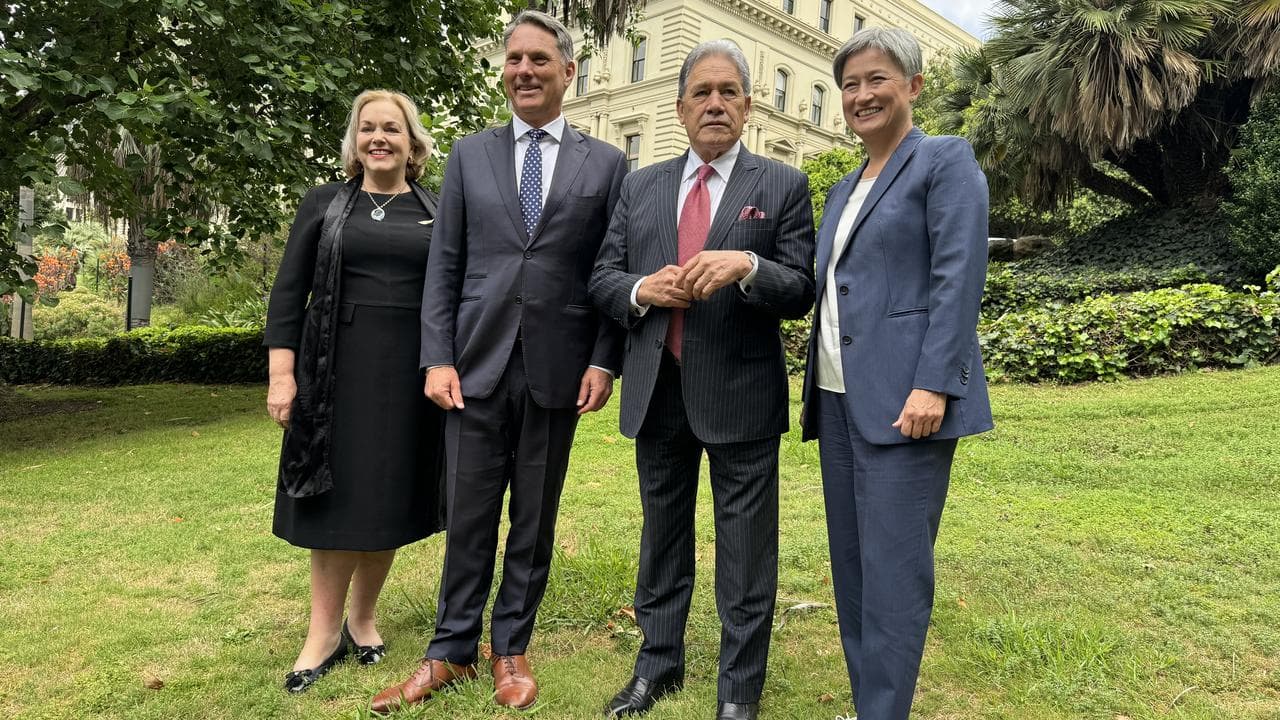
Ms Walters said Labour would review spending in last year's $NZ12 billion ($A9.6 billion) capability review, which will almost double its defence budget to two per cent of GDP.
"We don't believe in an arbitrary percentage for defence spending," she said.
"We will be looking under the hood, assessing more what is up for play, what the allocations are, what the existing tenders are that are out, and then make a decision."
Foreign Minister Winston Peters said Labour's stance was at odds with the deteriorating security environment.
"If they've got any connection with reality and understand the geostrategic change, the most uncertain times in 80 years, if they understood that, then they wouldn't be making such silly statements," he told AAP.
"I don't intend to be worried about them because they're not going to win come next Saturday night."
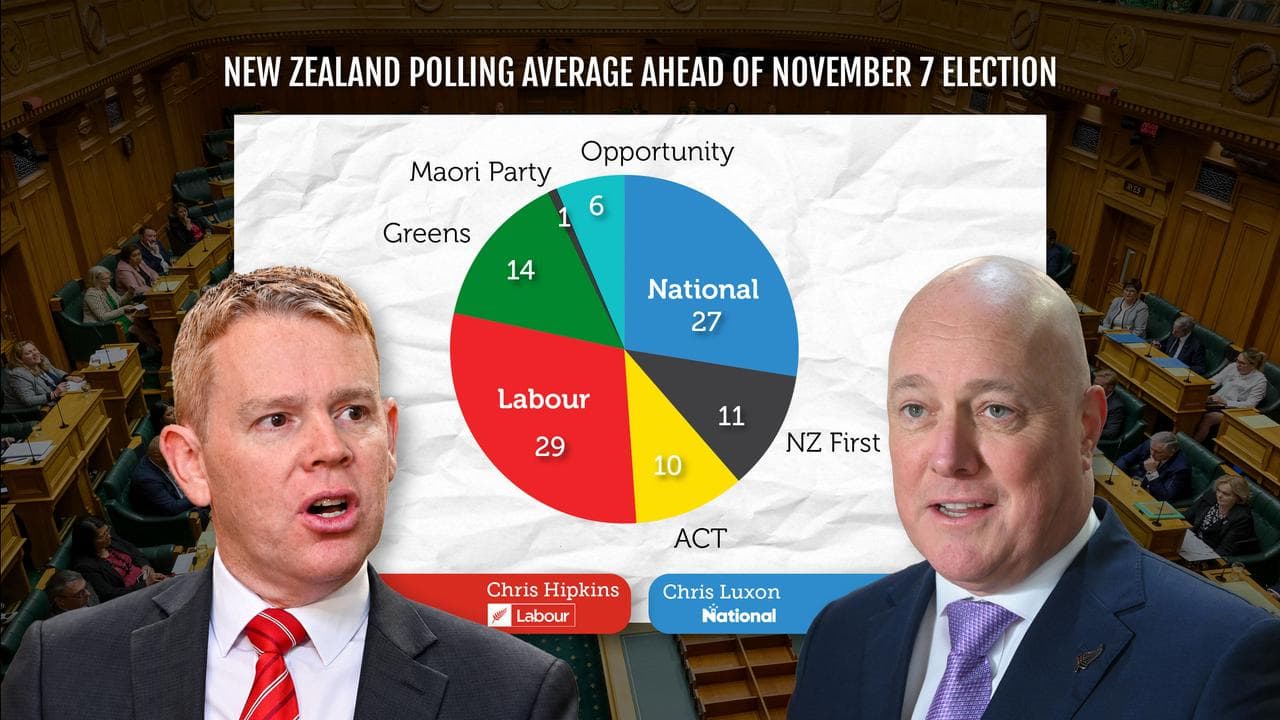
Other key foreign policy differences between Labour and the coalition exist on Palestine and aid.
Labour would recognise Palestine statehood, sanction Israel, and sign on to the International Court of Justice case seeking to confirm a genocide in Gaza.
Labour also has aspirations to lift foreign aid to the UN benchmark of 0.7 per cent of gross national income, up from 0.27 per cent or roughly $NZ1.1 billion ($A920 million) annually.
Chris Luxon's National party proposes to reduce aid by 10 per cent to fund medicines at home, while the ACT party is promising a 27 per cent cut.
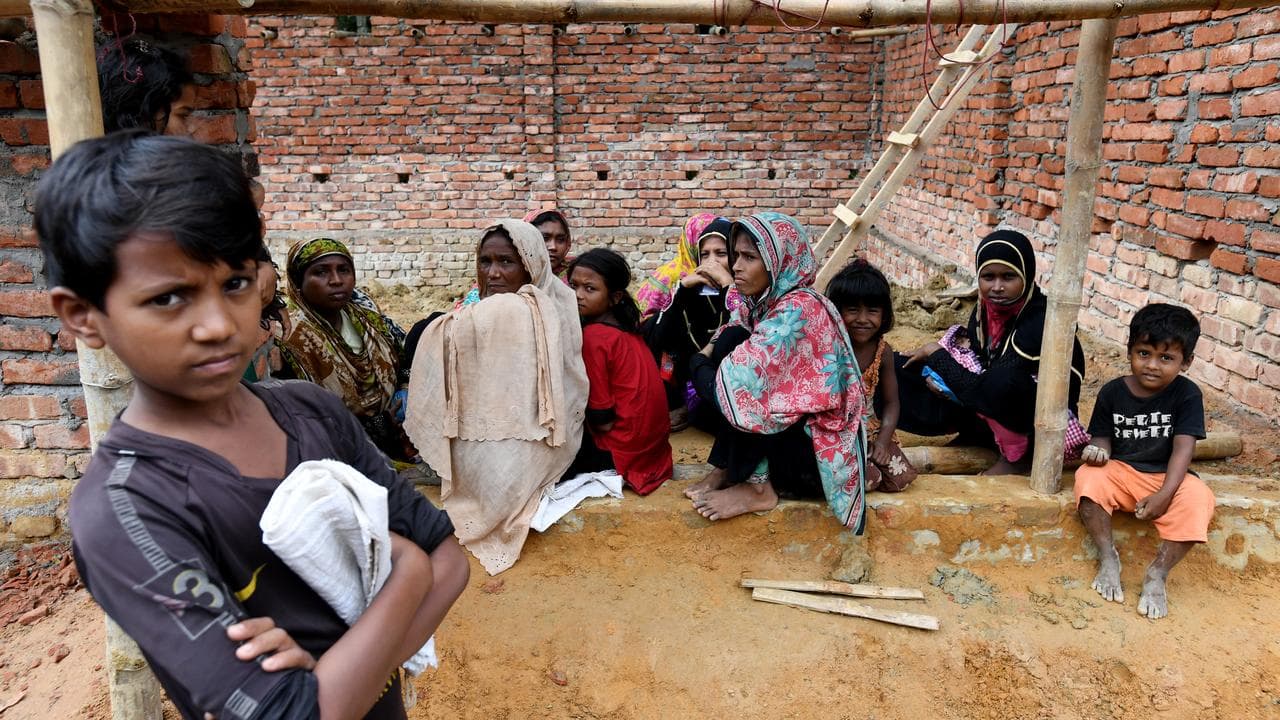
Mr Peters said he would continue to fight off efforts to cut the foreign ministry's budget or aid.
"I have not lost arguments on this in the past and I don't intend to lose them in the future," he said.
There is a question as to who the foreign minister may be, should the coalition win office.
Relations between Prime Minister Chris Luxon and Mr Peters are tense, and some query the ability of Mr Peters, 81, to keep a busy travel schedule for not just three years but six.
Trade Minister Todd McClay has been mooted a possible replacement, but Mr Peters denies wanting out.


