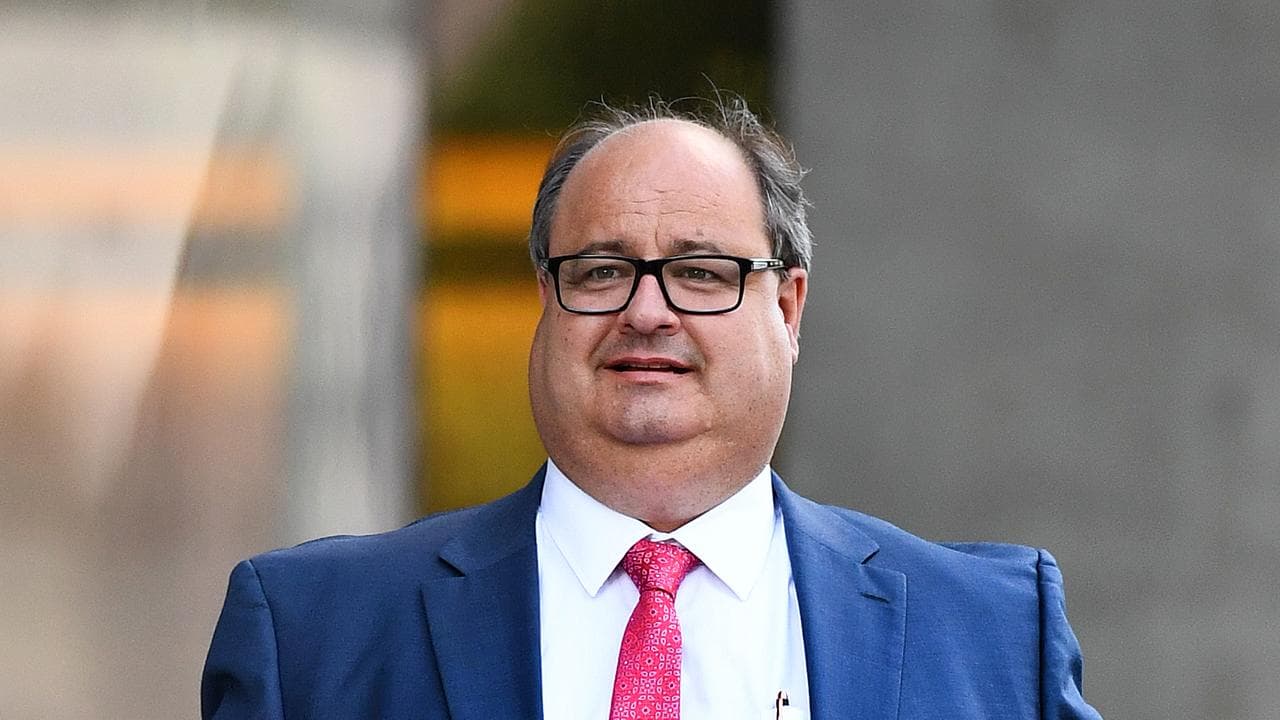
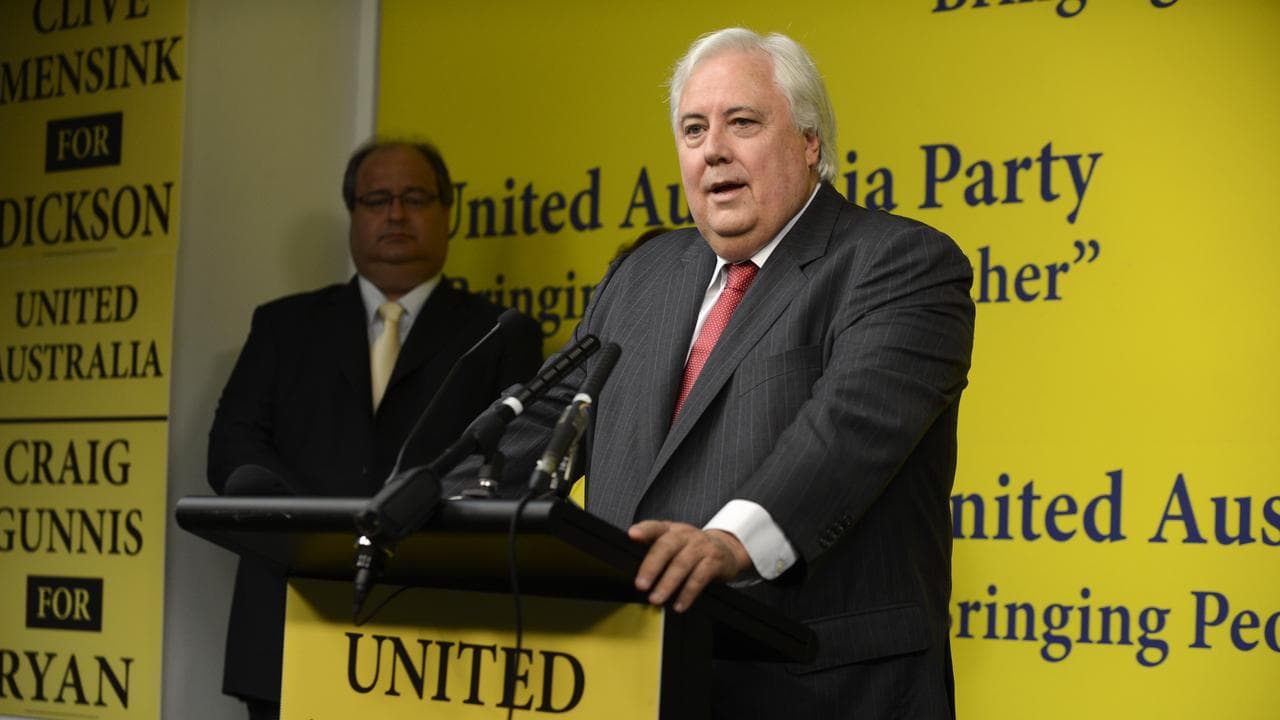
Mining magnate Clive Palmer's nephew has been found guilty of criminal contempt of court after fleeing overseas instead of answering questions over the collapse of a nickel refinery firm.
On Thursday, Brisbane Federal Court Justice Darryl Rangiah found former Queensland Nickel director Clive Theodore Mensink had failed to comply with a summons for examination.
No weight could be given to Mensink's "self-serving" claims about being unable to return to Australia, Justice Rangiah said in his judgment.
"I find that Mr Mensink committed the contempt alleged," Justice Rangiah said.
Liquidators had been granted a summons for Mensink to appear in court to answer questions about Queensland Nickel's collapse.
The Townsville refinery collapsed in 2016 off the back of a slump in nickel prices, leaving about 800 workers without jobs and debts of at least $226 million.
The Registrar of the Federal Court of Australia brought two charges against Mensink after he left Australia in June 2016.
"Mr Mensink has not yet returned and may presently be living in Bulgaria," Justice Rangiah said.
Some of the sacked employees’ entitlements were paid by the federal government under the fair entitlements guarantee.
In 2017, a judge ordered a warrant be issued for Mensink's arrest, relating to his failure to attend court to be questioned over the company's demise.
Mensink, who previously headed his uncle's Gold Coast United A-League team, was tried in absentia during two days of federal court hearings in June this year following two failed appeals in 2022.
Mensink had been properly served with a summons to appear, which was sent to several physical and email addresses, Justice Rangiah found on Thursday.
In a 2022 affidavit, Mensink stated he had become physically sick due to stress and depression on the way to the airport.
"I thought I would rather be dead than face the humiliation and embarrassment that my return to Australia would involve," Mensink said.
"I may have been irrational."
Mensink's "self-serving" claims were contradicted by his own account of a rapid recovery the same evening and being able to travel to Bulgaria, Justice Rangiah found.
"The description he gave of his state of mind is consistent with a deliberate choice not to return to Australia for examination," Justice Rangiah said.
Justice Rangiah found a reasonable person would not accept that Mensink had an excuse not to return to Australia over claimed health problems, unfair treatment in court or financial burdens.
Justice Rangiah sought submissions from the parties on the appropriate penalty, if any, to be imposed on Mensink.
A second charge against Mensink of failing to comply with a court order was dismissed.


