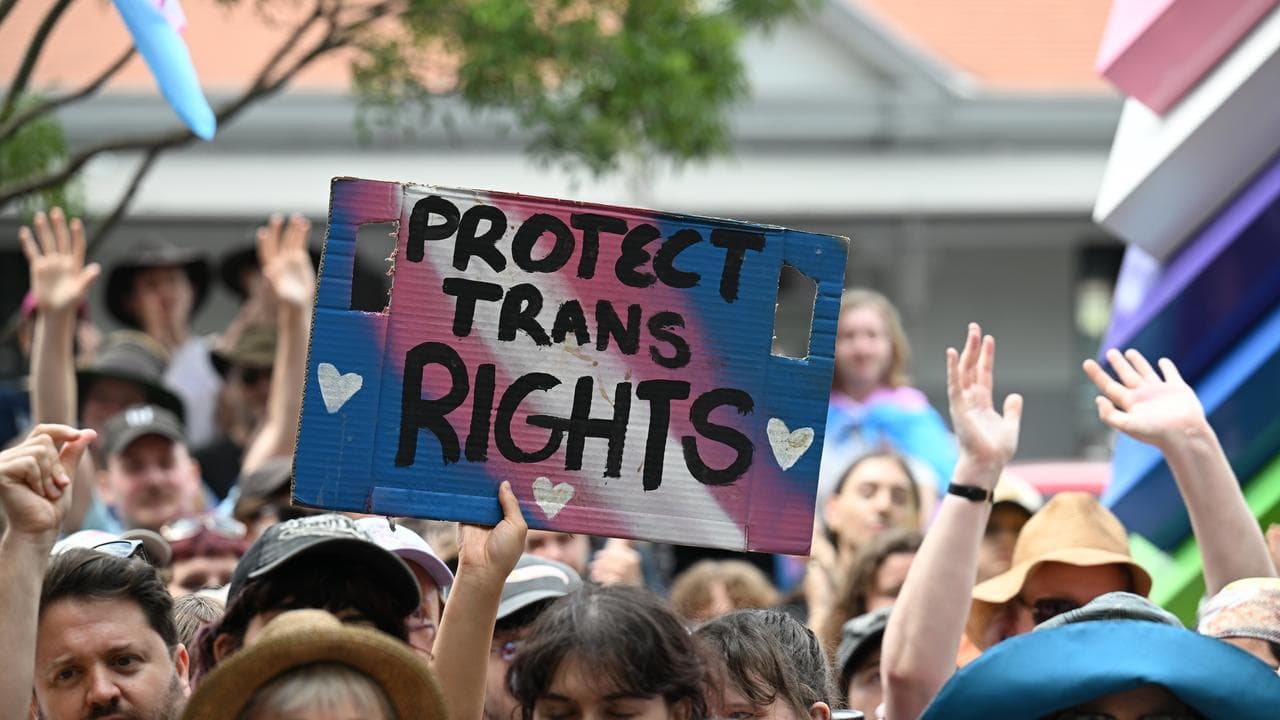
Forcing transgender people to reveal past names and "out" themselves when applying for jobs amounts to discrimination, a tribunal has found.
The conclusion was drawn as a health worker won a substantial payout for indirect discrimination suffered during an internal recruitment process.
The worker, who identifies and presents as a man, applied for a new role in the Northern NSW Local Health District in 2023.
He had worked for the state health service since 2020, many years after transitioning and changing his obviously female, given names.
A colleague rang the applicant not long after, asking the man to confirm he had previously gone by other names - a requirement of the former name check condition imposed on internal applicants.
The applicant confirmed his birth names but reported feeling humiliated that a colleague knew he formerly went by female names.
Given the size of his team and certain attitudes towards transgender issues expressed within his workplace, the man expressed serious concerns of being outed.
He has since experienced escalating anxiety and distress, tribunal members Peter Roney KC and Michael Maher found.
“He has endured panic attacks, rapid breathing, and from time to time can only manage two to four hours of sleep when he is required to engage with (the health district) about the matter," they found.
"He describes feeling sick to his stomach when considering he could be outed, a fact he is reminded of daily.”
The tribunal members accepted expert testimony that the inadvertent use of "dead names" was likely to cause significant distress to transgender people.
"We find that a substantial proportion of transgender men and women employed by (the health district) would be unable to comply with the Former Name Check Condition," they found.
The tribunal finding came after the man made an internal complaint and reports to the NSW Ombudsman and Anti-Discrimination NSW.
The health district's People and Culture Committee considered several options to change the process in 2025 but ultimately decided change would be impractical and significantly increase workload.
The worker ultimately skipped applying for higher-paid roles on account of the condition.
After a four-day hearing, the NSW Civil and Administrative Tribunal concluded the man's indirect transgender discrimination in employment had been established.
He was awarded $25,000 in non-monetary compensation and $10,000 in aggravated damages or compensation.
Aggravated damages related to the health district's conduct in the hearing including making unfounded and offensive assertions, the tribunal said.
AAP has contacted the health district for comment.


