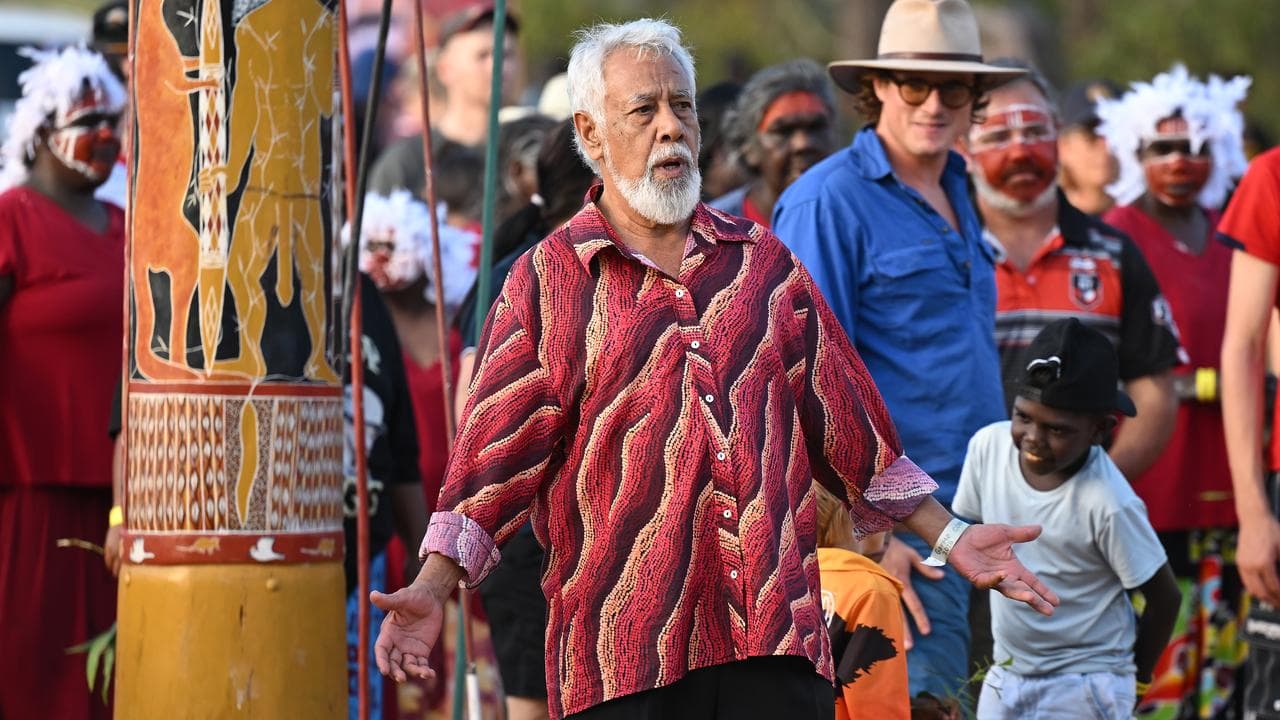
Australia is reshaping its Pacific diplomacy by putting First Nations relationships at the heart of new regional treaties and alliances.
Emerging pacts with partners, including a landmark alliance with Fiji, were “foundationally” grounded in Indigenous connections, the Department of Foreign Affairs and Trade's Elizabeth Peak told a forum at the Garma Festival.
Cultural ties between Pacific nations and Aboriginal and Torres Strait Islander peoples were now a "core strategic asset" across the region that led to the pact with Fiji, Australia's fourth formal alliance and Suva's first with any nation.
First Nations connections were not incidental to the treaties but formed the basis of how the countries chose to frame their partnerships, Ms Peak said.
Australia's neighbour Papua New Guinea was “incredibly blessed” with natural resources and a rich culture drawn from more than 800 tribes, the island nation's deputy opposition leader Keith Iduhu told the crowd at the Garma Knowledge Centre on Sunday.
However, he feared the diversity carried “the potential to break us rather than unite us” unless leaders grounded economic participation in identity, culture and traditional land and sea ownership.
Papua New Guineans had lived on and owned land, water space and oceans for thousands of years, long before outside contact and formal statehood.
Mr Iduhu said there were deep similarities between Pacific first peoples and Australia’s First Nations, not only as communities connected by the ocean but also through shared cultural practices.
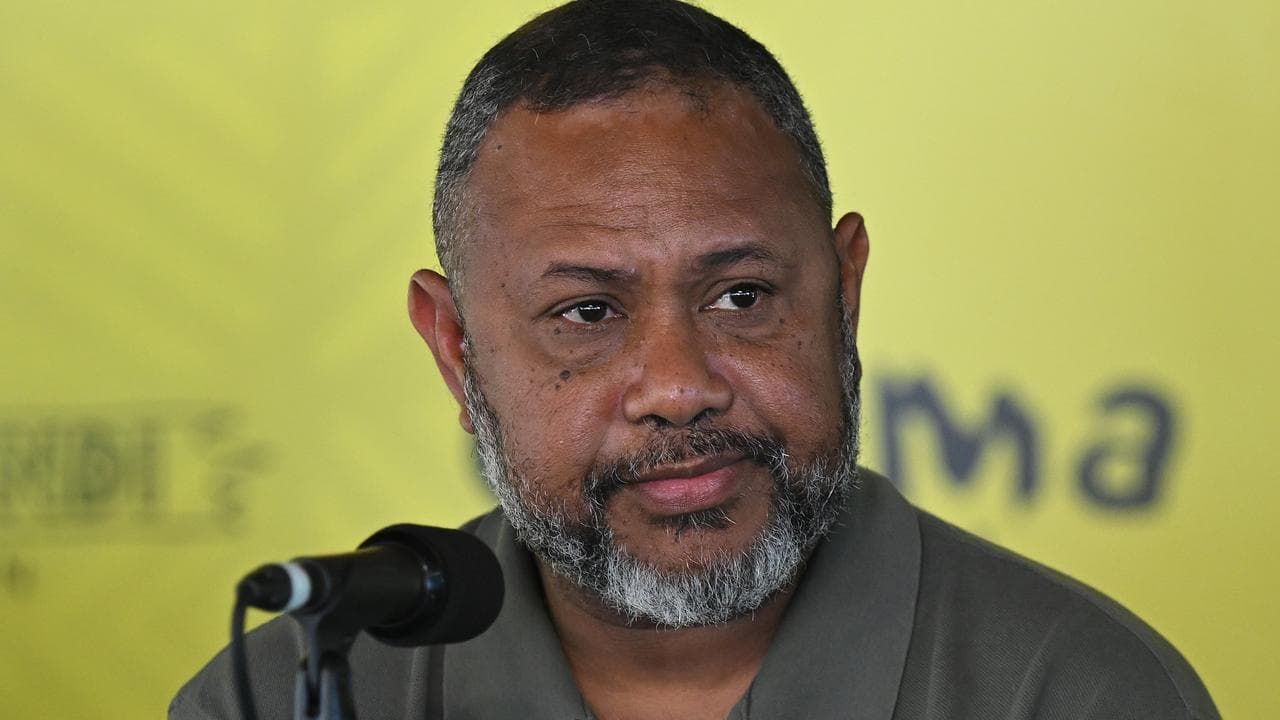
He described Garma, Australia's largest Indigenous gathering, as “truly a spiritual experience” that revealed “a profound connection, a profound alignment” between his people and First Nations members.
He also singled out the federal government for praise for “taking the bull by the horns” in confronting its own history and elevating gatherings such as Garma.
Earlier, a ceremonial bowl was presented to Yolngu Elders as a gesture of appreciation, love and connection between families and cultures.
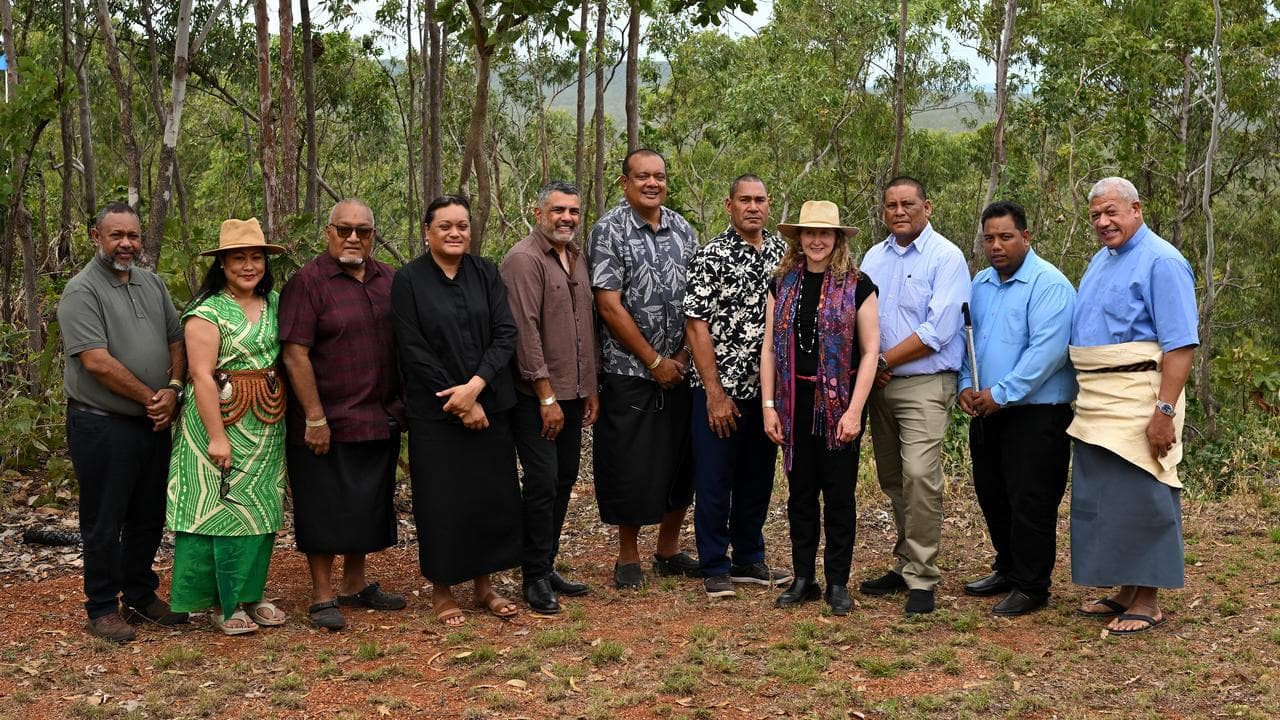
During the International Voices Dialogue at Garma, Pacific delegates and Yolngu leaders shared challenges to deepen their co-operation.
Sunday was the third day of the 2026 Garma Festival, held on Yolngu lands under the theme of Bukmak, meaning “all of us, everyone, together”.
Joining other Pacific leaders at the forum, Marshall Islands Foreign Minister Kalani Kaneko said visitors to the tiny atoll nation arrived as guests but should leave as friends.
Tourism was framed as an opportunity to share Marshallese culture, language and identity with the world, rather than just a source of revenue.
Culture could not be separated from development and every government project was expected to respect land custodians, traditional leaders and future generations, Mr Kaneko said.
Palau, one of the world's smallest independent nations, chose to prioritise conservation ahead of mass tourism after a surge in visitor numbers exposed the fragility of its environment, Senator Siegfried Nakamura said.
The country’s customary law, embedded in its constitution, required leaders to respect the environment, meaning the scales “always tip in favour of conservation” when development decisions were made.
Palau has moved to limit visitor numbers, focus on high‑end tourism and diversify its economy through corporate, ship and aircraft registries and new forms of digital residency.
Timor-Leste Prime Minister Kay Rala Xanana Gusmão attended the event, while delegates also included representatives from the Solomon Islands and Vanuatu, reflecting the breadth of Pacific representation at Garma.
Organisers say the conversations are intended to highlight how culture underpins policy and development in the Pacific, and how deeper First Nations links with Australia can help address shared regional challenges.
The four-day celebration of Yolngu life and culture, held about 40km from Nhulunbuy on the Gove Peninsula, will conclude on Monday.


