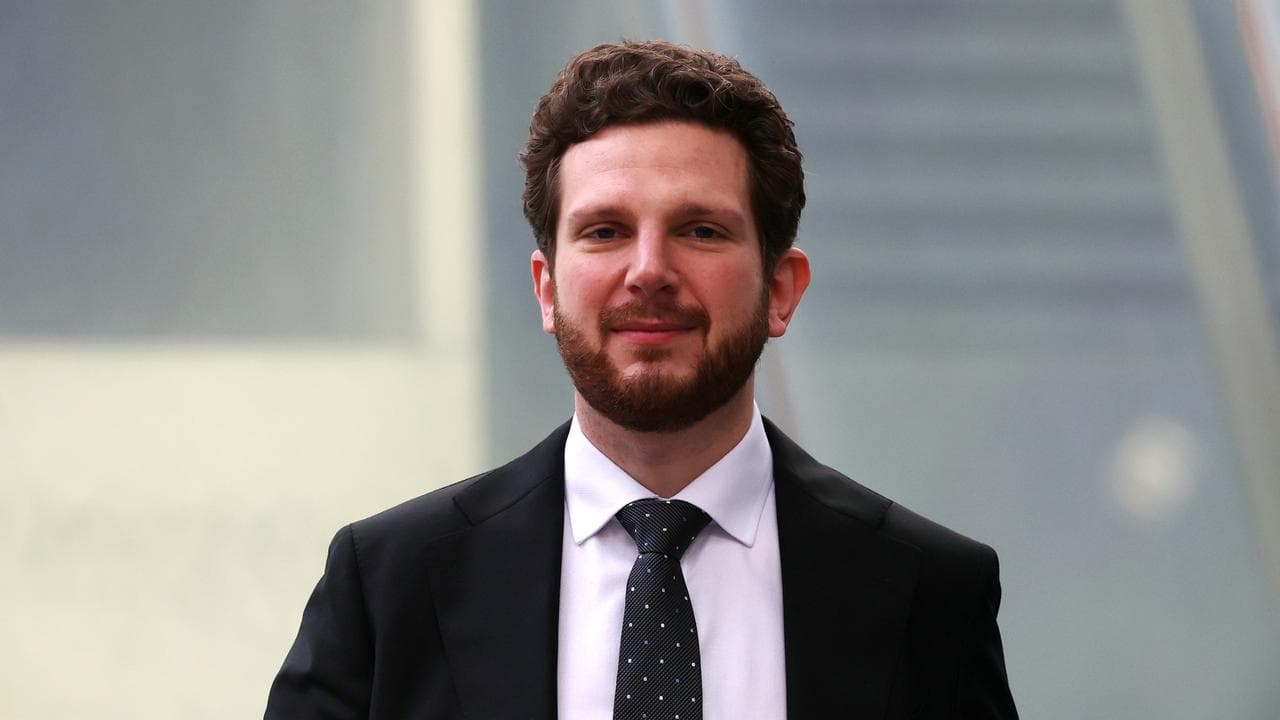
A leading orchestra's directors were caught off guard by a "reputation shredding" decision to cancel a pianist's concert over his onstage comments about the war in Gaza, a court has been told.
Melbourne Symphony Orchestra board member Martin Foley, who led Victoria's response to COVID-19 as state health minister before retiring from politics in 2022, gave evidence to Jayson Gillham's unfair dismissal case on Wednesday.
Gillham introduced a composition piece at an August 2024 concert by saying Israel deliberately targeted journalists to prevent the reporting of war crimes.
The orchestra responded by cancelling his next appearance, triggering his unfair dismissal case in the Federal Court on the basis of alleged discrimination due to his political beliefs.
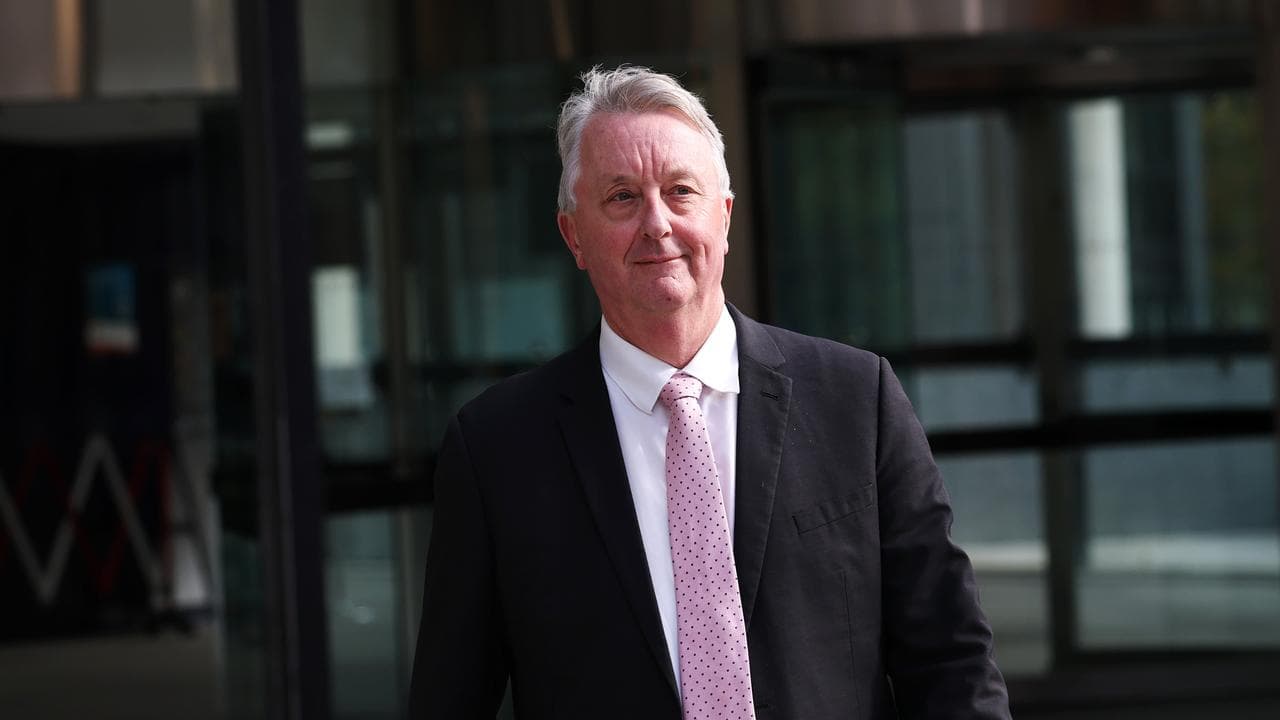
Mr Foley was co-deputy chair of the orchestra's board when the incident occurred and said he was contacted by then-managing director Sophie Galaise two days after Gillham's performance.
She told him Gillham's next concert, scheduled for later that week, had been cancelled and a message sent to ticket holders.
"To the best of my knowledge, the board was not involved in any way," Mr Foley told the court on Wednesday.
“I was a bit surprised that such a decision had been taken without reference to the board.”
A board meeting was called at short notice to discuss the situation, Mr Foley said, where he again expressed his concern.
"I reinforced a view that it was unfortunate the board hadn't been brought in earlier," he said.
"And given the rapidly-evolving - from my view reputation-shredding events - that were under way, that the MSO needed to change its position and to seek to consider the consequences of reinstating Mr Gillham."
The orchestra tried to negotiate a way to bring Gillham back to perform at the cancelled concert, including a condition that he did not make any "physical or verbal statement from the stage".
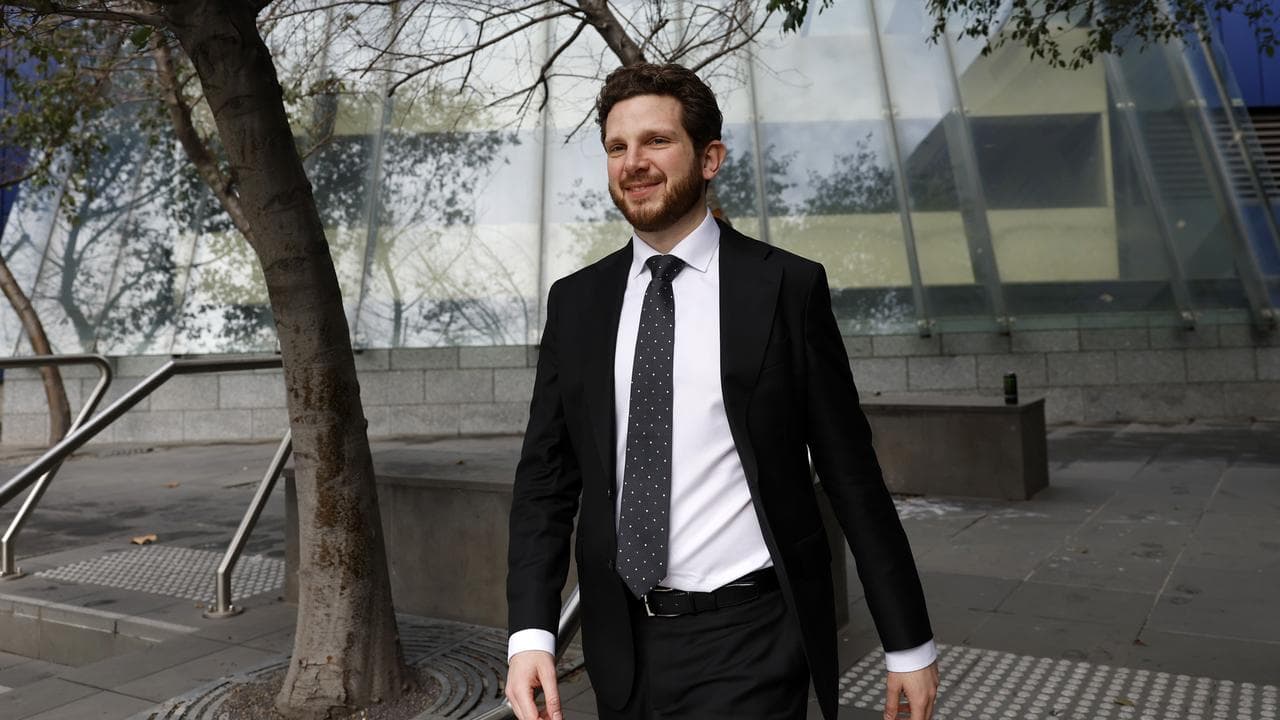
Mr Foley said Gillham ultimately pulled out of the performance and the show was cancelled entirely after security advice from an organisation the board member engaged to perform a risk assessment.
He repeatedly said MSO stages were venues of "no surprises" and performers were required to have statements approved before airing them in front of an audience.
"Fundamentally, the organisation is an opportunity to bring together diverse audiences around music," he said.
"From time to time the organisation does take, for want of a better phrase, a position on political issues … it does so on a planned basis."
Under questioning by Gillham's barrister Sheryn Omeri KC, Mr Foley confirmed he travelled to Israel in 2013 with then-premier Daniel Andrews to open a trade office.
While Mr Andrews met with Prime Minister Benjamin Netanyahu, Mr Foley said he had not returned to Israel since.
Earlier, former MSO executive Guy Ross was read complaints from people who attended Gillham's controversial show and performers disappointed about the orchestra's cancellation decision.
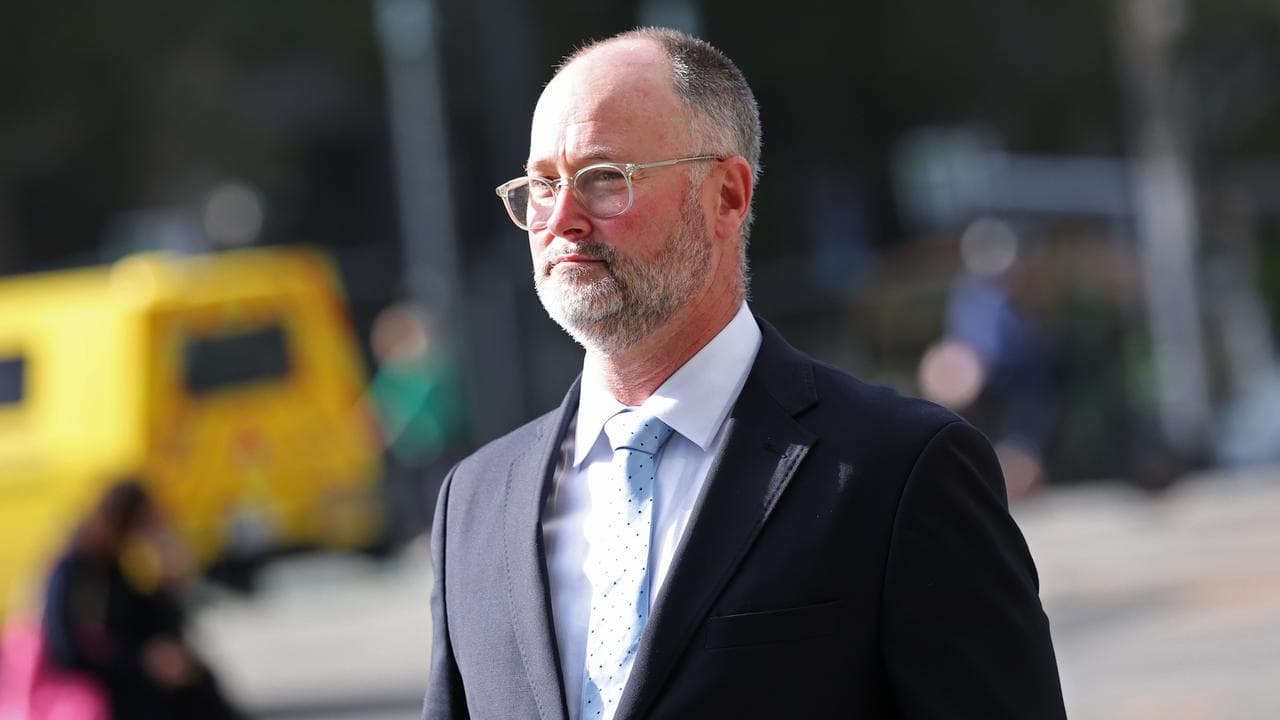
"Arts organisations have an obligation to stand for humanity and with the oppressed," one complaint said.
"Sadly, the MSO seems not to be doing so. To censor an artist for using a public forum to take a stand for humanity is deeply troubling in a democracy."
Ms Omeri put to Mr Ross that he did not consult other musicians about Gillham's show cancellation nor a public statement issued about it.
The former executive agreed, admitting there was "inadequate consultation".
Mr Ross then cried as he sat in the witness box and said the conflict in Gaza was "terrible" and he felt "powerless about it".
"I feel great sadness and empathy from all those suffering from that conflict," he said.


