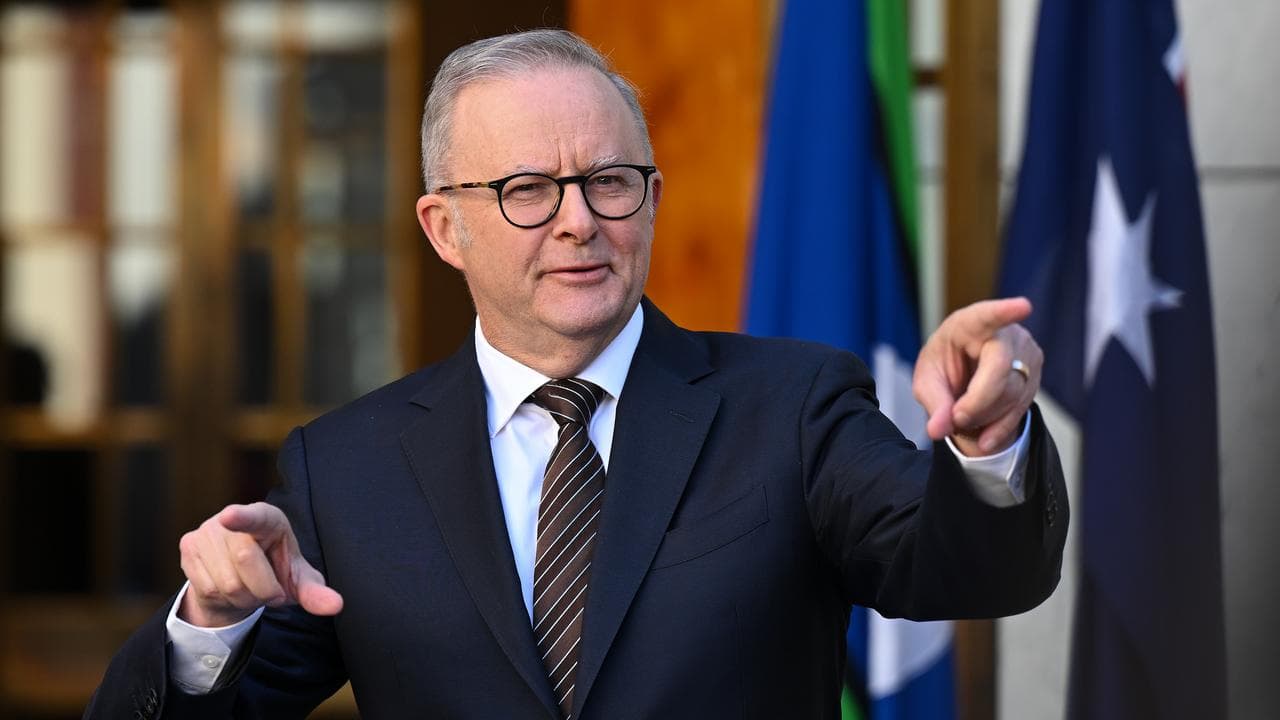
The prime minister has accused political opponents of playing "nativist politics" with Australia's economic future for refusing to throw support behind a landmark free-trade deal with the European Union.
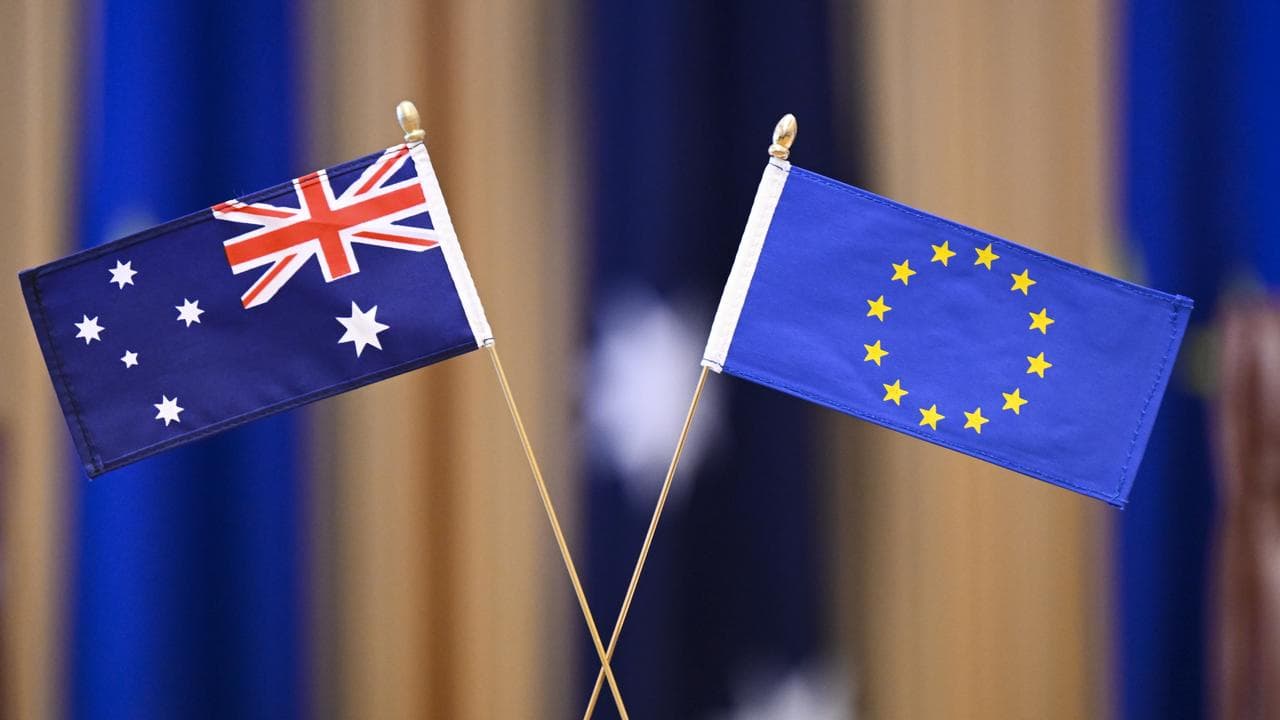
Doubt has been cast over the trade deal, which was finalised between Australia and the European Union in March following eight years of negotiations, but is yet to be ratified by parliament.
It would lock in cheaper European food, wine, cars, and clothes, and smoother access to one of the world's largest economic blocs, something the government says could be worth up to $30 billion in trade.
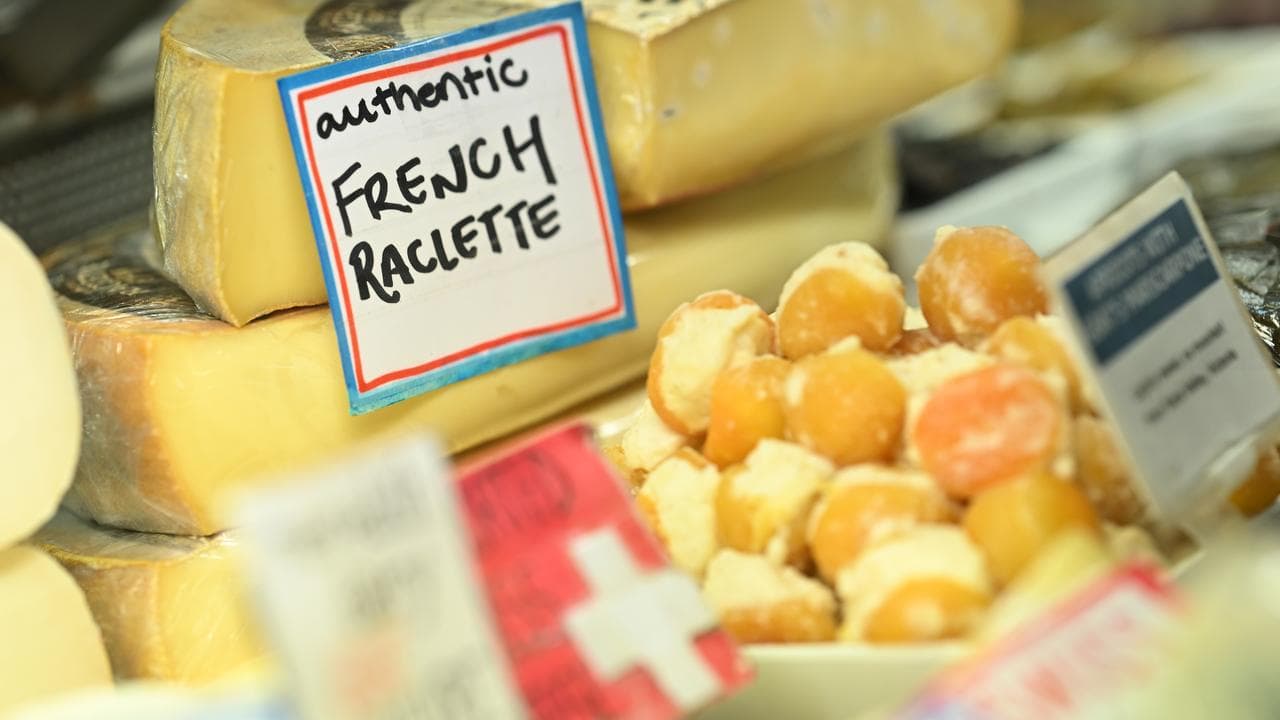
In turn, Europe would ditch or phase out tariffs on Australian food, critical minerals and manufactured products.
Anthony Albanese said it would make Australian exports on goods and services 98 per cent tariff-free and boost the nation's economy by $10 billion.
"It's a good deal. It's also a good deal for Australian consumers because cheaper imports put downward pressure on prices. Trade is a good thing," he told reporters on Thursday.
Mr Albanese warned that blocking the deal undermined Australia's position as an export-driven economy, accusing opponents of using the negotiations as "an excuse for going down the road of protectionist and nativist politics".
"I find it astonishing that at a time where free and fair trade is under threat around the world, where that's a big debate in global politics and in the global economy, that this somehow is being questioned here in Australia," he said.
"We are a trading nation. We are an island continent in which economic growth and productivity is boosted by engaging with the world."
Key coalition figures and farming groups have questioned the deal, with political debate intensifying over whether farmers and steelmakers are any better off under the agreement, and over allegations the EU railroaded Australia with a raft of unequal terms.
Without the coalition or the Greens, who have so far refused to guarantee support, the government cannot get the parliamentary approval needed to ratify.
Nationals leader Matt Canavan has criticised the deal due to the impact on farmers, but it has led to concerns within the coalition the junior party was dictating the policy stance.
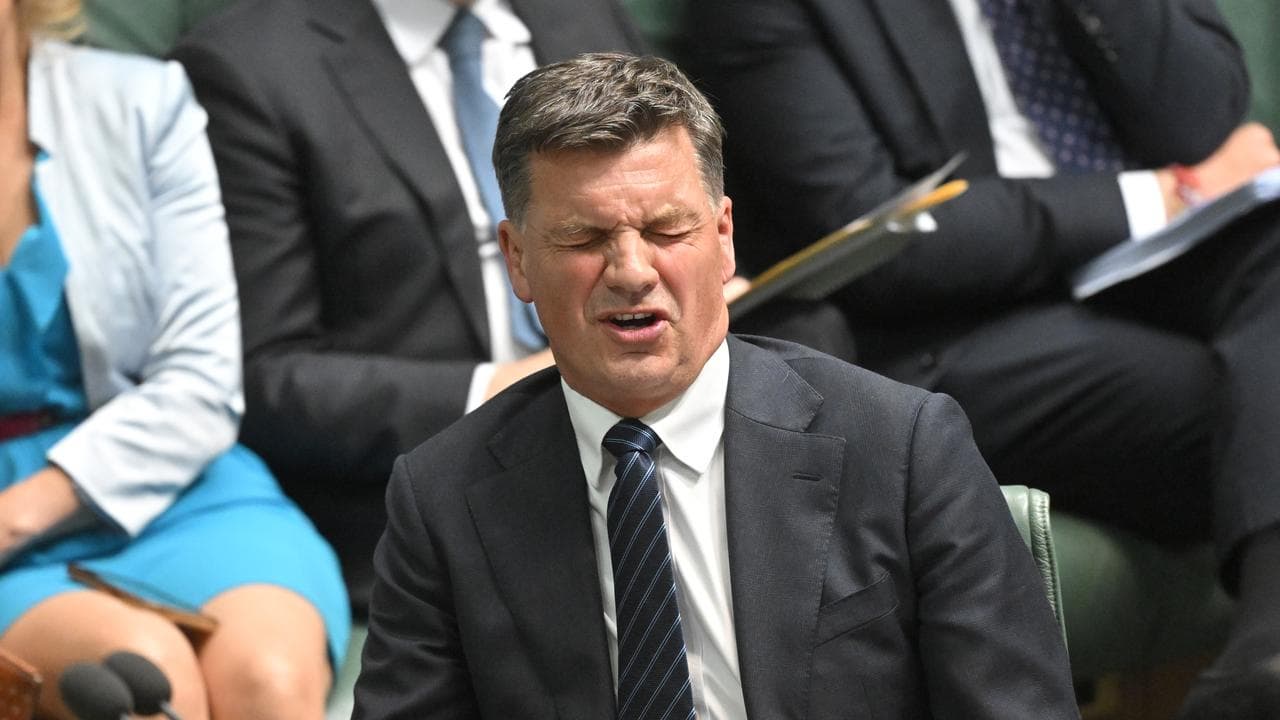
Opposition Leader Angus Taylor said the deal needed to go back to the drawing board.
"As it stands, it's a dud deal," he told reporters in Canberra.
The prime minister said opposition by the Liberals went against the party's philosophy.
"For people who say they belong to a political party that supports markets and supports free and fair trade, that will be completely undermined and shredded unless they support this legislation," he said.


