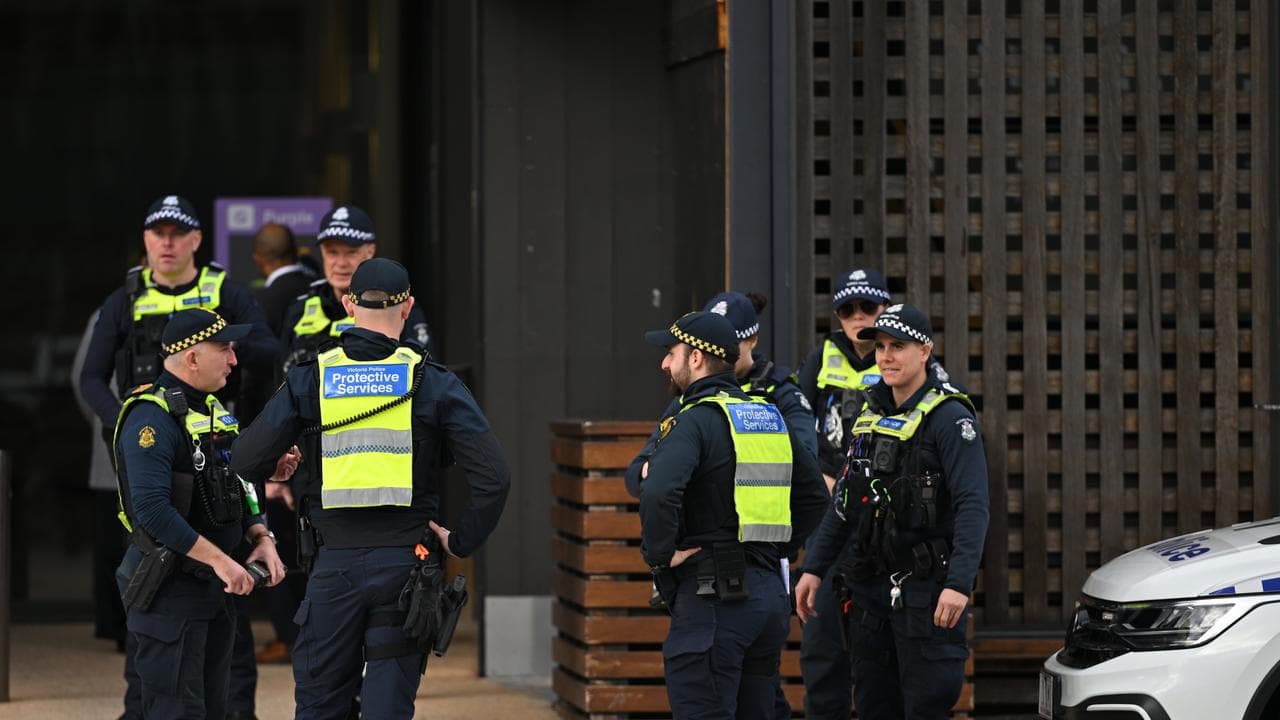
A spike in the number of police deployed to a major city centre to combat crime has left civil rights groups fearful it will lead to more profiling, but the force is adamant this will not be the case.
The number of officers to be stationed on the streets of Melbourne's CBD will almost double from normal, in a bid to prevent low-level crime after Victoria Police announced it will restart Operation Harmony indefinitely.
The key targets include anti-social behaviour near Flinders Street station, retail crime on Bourke Street Mall, e-scooter and bike safety, and preventing car thefts in carparks, North West Metro Region Acting Commander Belinda Jones said on Thursday.
Officers will also engage with those experiencing homelessness and link them with support services.
Officers will also engage with those experiencing homelessness and link them with support services.
Police will rely on a "rapid response" and "intelligence-informed" model to deploy officers to different locations at different times based on community reports, internal intelligence and historical data.
But civil rights and legal groups have sounded the alarm over the increase in police numbers, as the state grapples with rising crime.
Research from the Centre Against Racial Profiling in 2025 found Aboriginal, African, Middle Eastern and Pacific Island communities are disproportionately targeted in police searches.
"More police presence, without the right oversight and accountability mechanisms to see what police are doing, almost universally leads to some sort of systemic racism or racial profiling," the project's co-founder Ilo Diaz told AAP.
The Victorian Aboriginal Legal Service said a highly visible police presence actually increases fear and is detrimental to trust between the community and police, with Aboriginal people already over-policed and over-surveilled.
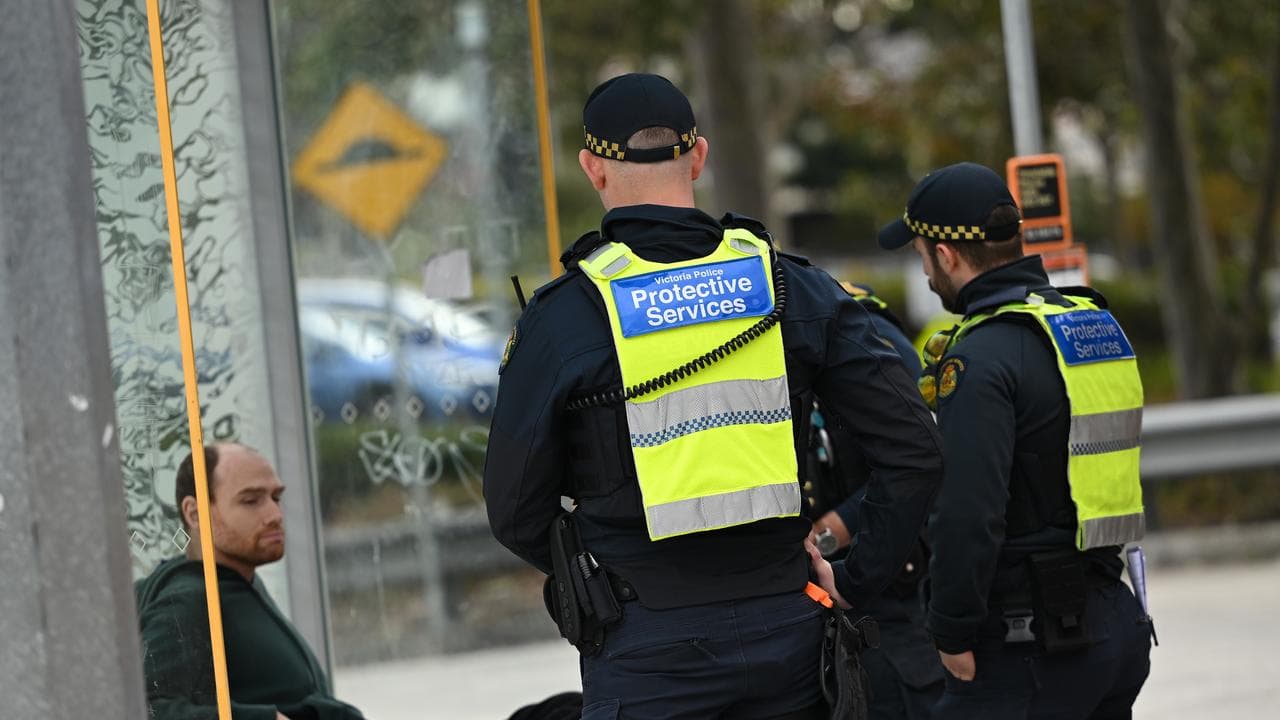
"Today’s announcement does not fill us with hope for harmony, rather that the risk to life will now be even more pronounced," the service's chief executive Nerita Wright said.
Criminal responses are unlikely to result in greater community safety in the long term, Liberty Victoria president Gemma Cafarella said.
"Things like antisocial behaviour or theft are often the result of significant disadvantage, and criminal justice responses are incredibly unlikely to bring about a change in that type of behaviour," she said.
Police engaging with the CBD's high homeless population risked the person being subjected to criminal justice intervention because of the poverty they're experiencing, Ms Cafarella said.
But Cmdr Jones rejected the concerns.
"Police will only respond to areas where they need to be based on intelligence," she said.
First conducted in December, police say the initiative was well-received by the local community and businesses.
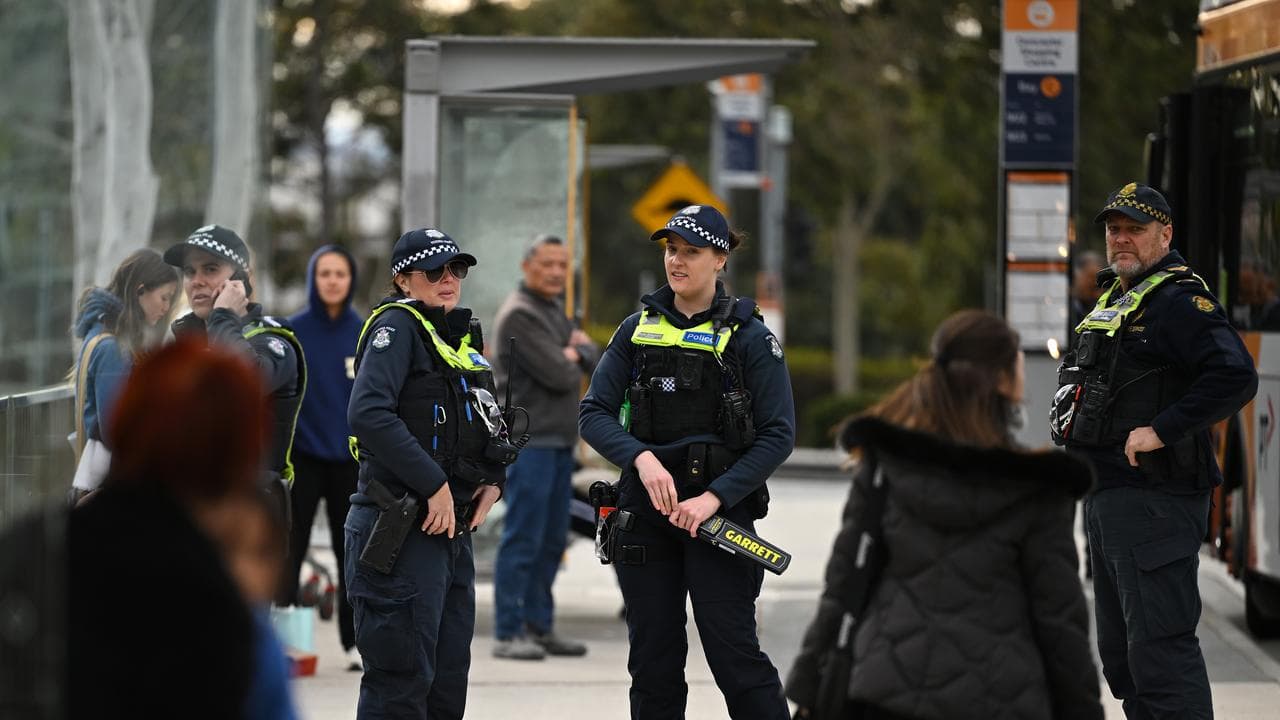
During that month, 66 people were arrested and 470 fines were issued.
Police referred fewer than 20 people to a support service for an issue such as homelessness.
Extra officers will be sourced from state-based specialist units, including the mounted branch and public order response team, and will not impact resources in other areas such as outer suburbs.


