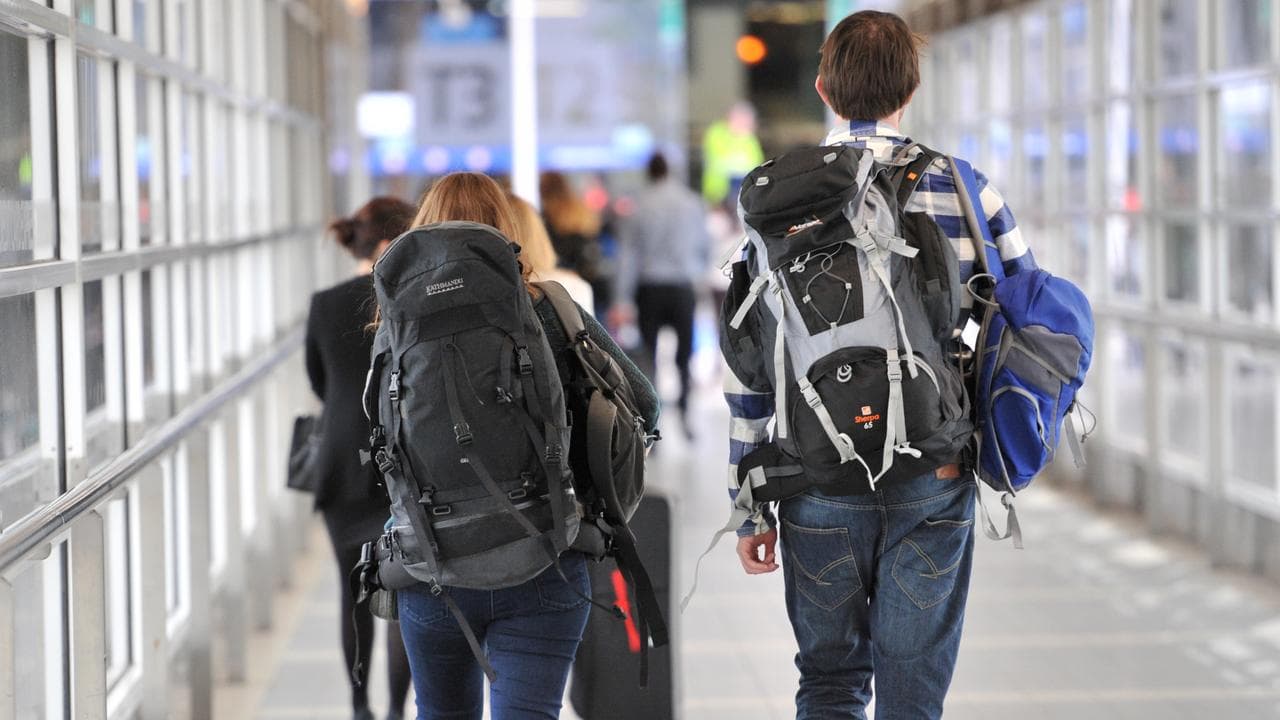
Australia's food security is at threat if the government continues its pause on backpacker visa applications in a bid to reduce migration numbers, farmers warn.
Working holiday maker visas, which hit a record 321,116 in 2024/25, have been throttled by Labor as it tries to get stubborn net overseas migration down from over 300,000 a year.
The processing freeze for working holiday visas is intended to help Home Affairs Minister Tony Burke, who has been working on sweeping changes to the migration system, counter the rise of One Nation and community discontent about high migration.
But it comes with unintended consequences for the agriculture, tourism and hospitality industries which depend highly on backpacker labour.
With one in seven farm workers currently on visas, the migration debate put at risk regional communities and Australia's food security, National Farmers’ Federation chief executive Michael Guerin said.
"Putting fresh food on the supermarket shelves relies on visa holders, relies on the system we have in place," he told reporters on Thursday.
"Arbitrary changes with such a vast impact on food security and regional communities without any consultation puts at real risk food security and is unsustainable."
Working holiday makers are particularly valuable to regional employers because visa holders must complete a stint of farm work or other regional labour to qualify for visa extensions, with the exception of UK citizens.
The number of visas granted recently has ballooned, due to relaxation of regional work requirements for British backpackers.
The May budget included changes to place downward pressure on net overseas migration, better manage demand and support a fairer allocation of visas, a Home Affairs Department spokesperson said.
"The department is currently prioritising onshore Working Holiday visa applications. This means that offshore Working Holiday visa applications may take several months to be finalised in some cases," they said.

Simon Westaway, an adviser for the Backpacker and Youth Tourism Advisory Panel, said industry was experiencing delays of at least two months, with no visas processed since early July.
That equates to tens of thousands fewer working holiday makers than would have been approved otherwise.
Australian Chamber of Commerce and Industry chief executive Andrew McKellar called for a reset of the migration debate.
"We don't have a migration problem in Australia. We have a housing crisis and we have skill shortages," he said.
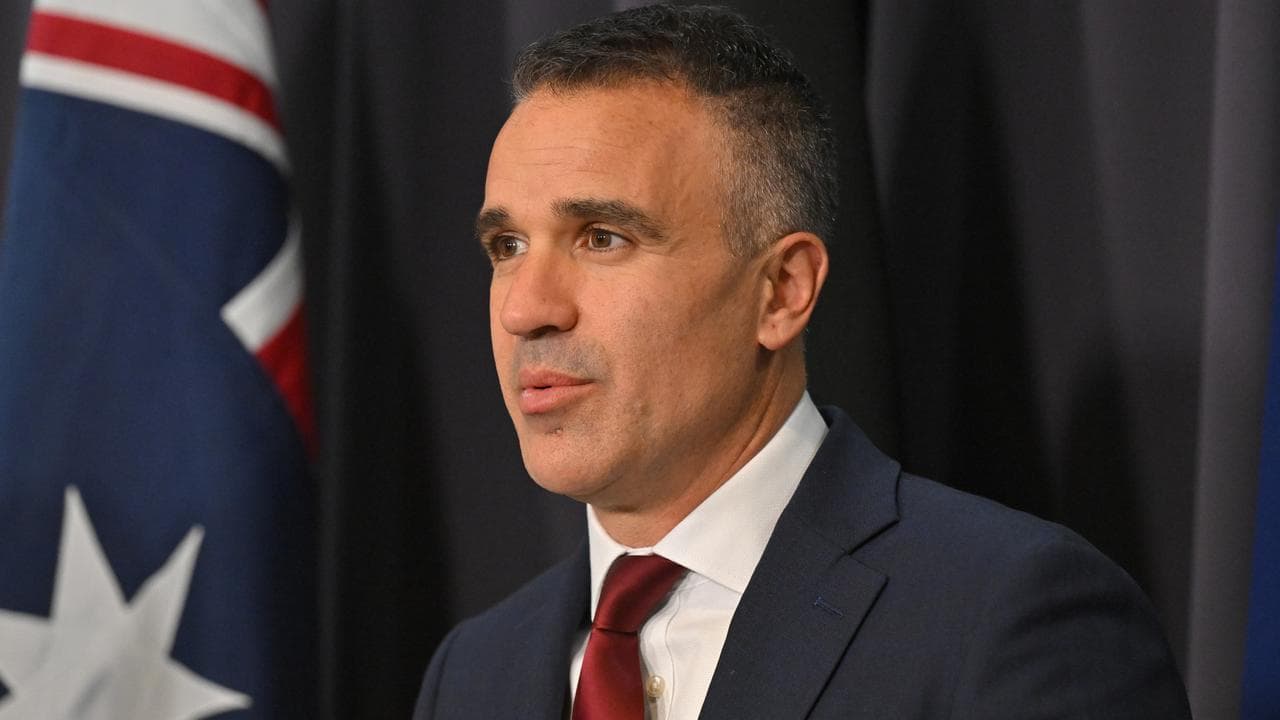
South Australian Premier Peter Malinauskas also warned against cracking down on migration to appease Pauline Hanson's party, which has surged in the polls since the May 2025 federal election.
"Australians in positions of leadership must now be on stages like this one and explain how unreasonably slashing our immigration intake is not going to fix our problems,'' Mr Malinauskas said in a speech on Wednesday.
"It is only going to make them worse."


