Measures to ban specific slogans are bad for democracy and an attack on free speech, says a high-powered King's Counsel who has worked at the International Criminal Court.
The NSW government's intention to outlaw the phrase "globalise the Intifada" curbs legitimate political communication, according to Sheryn Omeri KC, who practices in Australia and the United Kingdom.
"If it bears fruit, it would amount to one of the most significant attacks - if not the most significant attack - on freedom of expression in Australia I can recall," she told AAP.
"It's impossible to have a functioning democracy where people are stopped from expressing passionately, but peacefully, different views."
She argued Premier Chris Minns singling out that phrase was a "patent attempt to silence criticisms of Israel".
The silk felt compelled to write a detailed submission to a Labor-led parliamentary inquiry on prohibiting slogans that incite hatred, convened in the wake of the Bondi terror attack.
The committee published a 47-page report late Friday proscribing the phrase in public as "unacceptable."
"We acknowledge this phrase has diverse meanings and uses," the report said.
"However, we believe that the use of this phrase may directly inspire the kind of violence associated with its history."
Ms Omeri, who represents pianist Jayson Gillham and former TV news anchor Mary Kostakidis in Gaza-related discrimination cases, explained if any laws are passed banning the specific slogan that could put NSW in breach of its own Anti-Discrimination Act.
The snap lower house probe, formed eight days after the Bondi terrorist attack, has been criticised for not conducting any public hearings, as is common practice.
In her amendments, which did not pass, Greens MP Tamara Smith described the inquiry's terms of reference as "fundamentally flawed in their selective focus."

Some 150 submissions were published, with a parliamentary source confirming to AAP there were in excess of 600 submitted.
The majority, including from legal and human rights groups, have lambasted the government for considering such legislation arguing it could fuel community divisions and become constitutionally problematic.
"Globalise the intifada" has historically been used as a call for increased pressure on Israel to prioritise human rights, with the Arabic word intifada referring to uprisings in Palestine in 1987 and early 2000s.
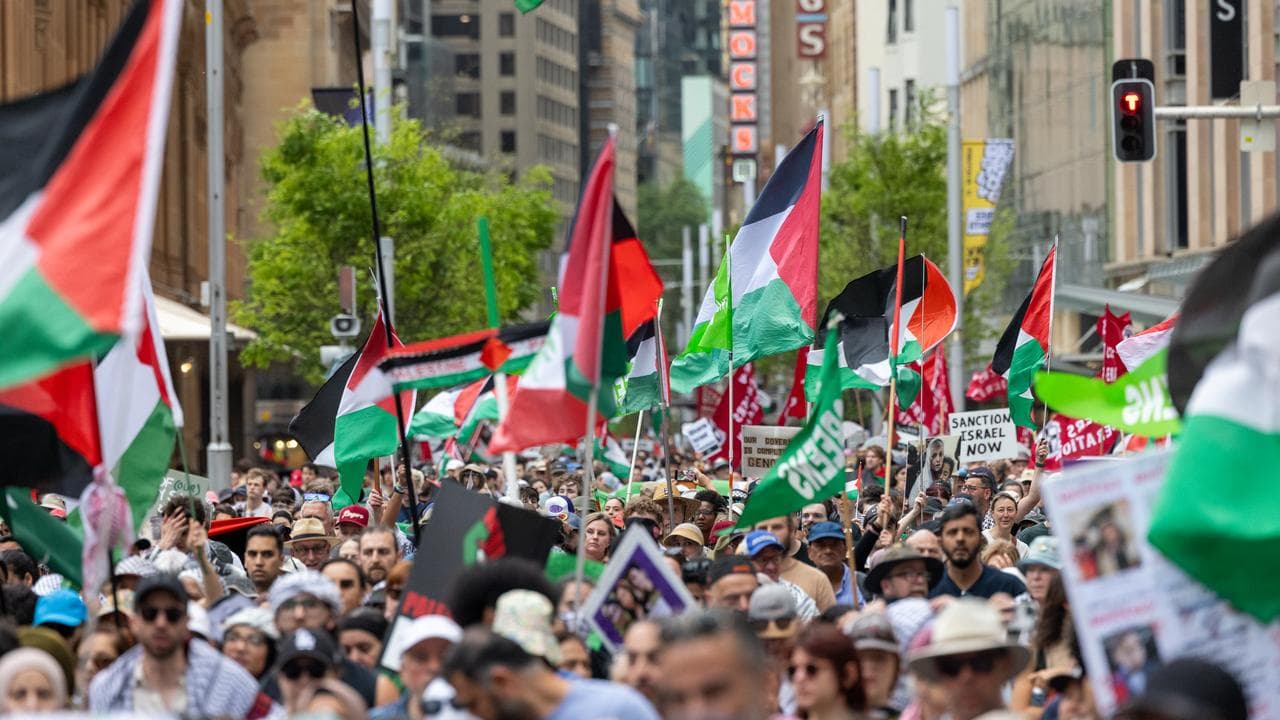
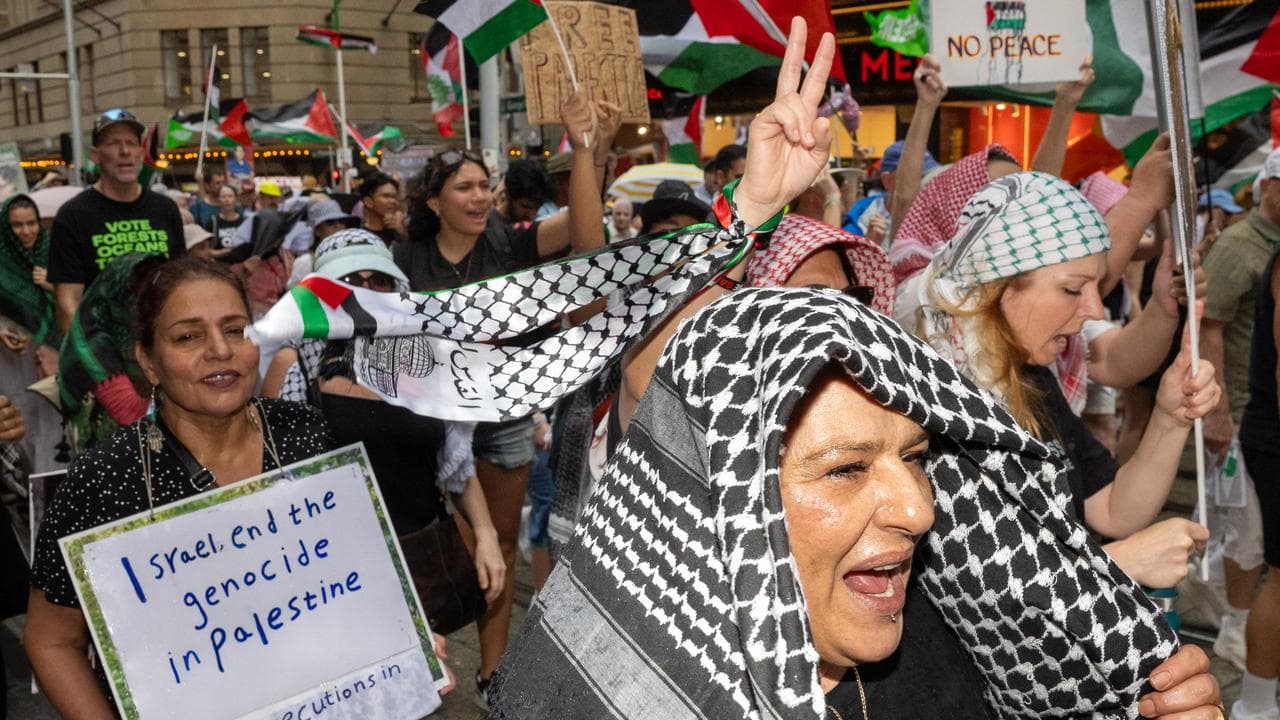
It has become more popular at pro-Palestine rallies in western capitals as Israel's military ramped up its bombing and starvation campaign in Gaza over the past two years.
But several conservative Jewish groups and federally-appointed Special Envoy to Combat Anti-Semitism Jillian Segal maintained it is a call to violence in their submissions.
That position was taken up by head of the committee Labor MP Edmond Atalla, who is an Arabic speaker, ahead of the report's release.
Pushed on criticisms of the inquiry's timeline and lack of public hearings, Mr Minns said he was not going to front run the parliamentary probe.
But he again drew a line between the phrase and the Bondi terror attack where two gunmen shot 15 people dead and injured dozens.
"My view is 'globalise the intifada' is an invitation to violent uprising in Australia," he told reporters on Thursday.
"At some point we need to be very clear about what we do and don't want in our democratic country - and I don't want it."
He also said NSW should follow steps taken by Metropolitan Police in London and Manchester Police to arrest anyone chanting the words or holding a placard with the phrase on it in the wake of Bondi.
But Ms Omeri said the legal flow-on effect would be heavy with a spike in prosecutions and a burden on the public purse.


