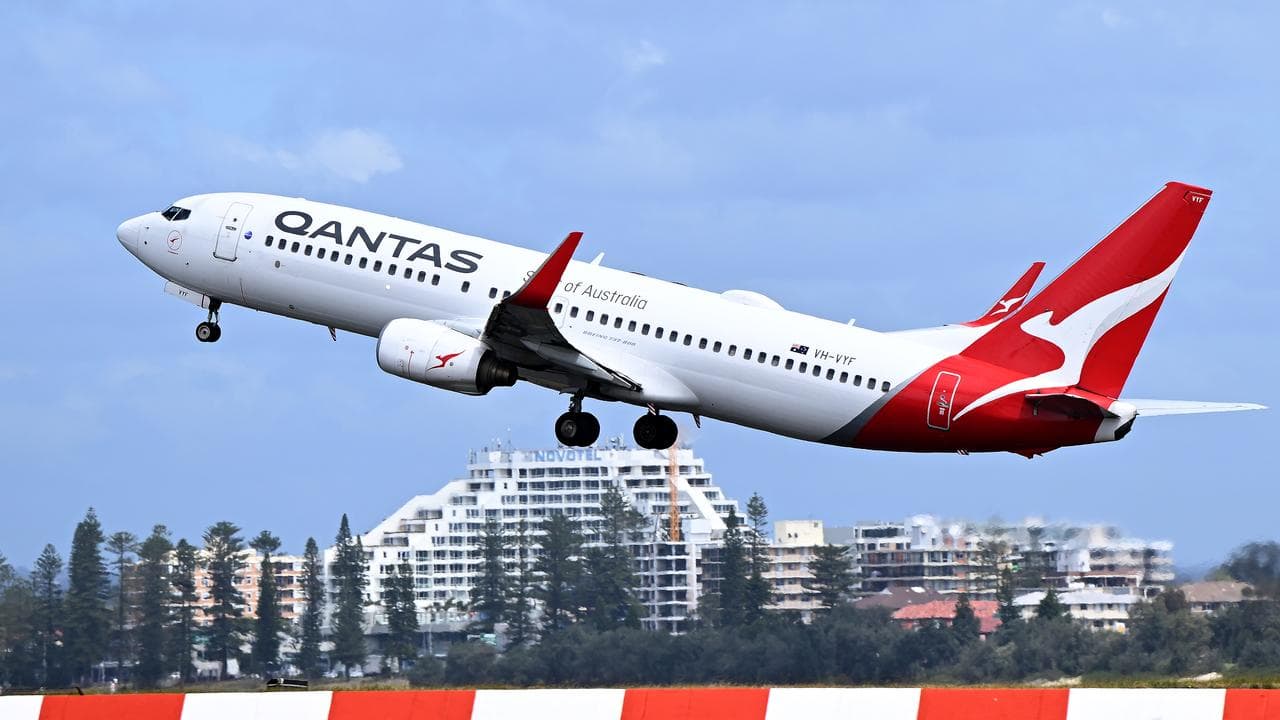
Australia's biggest airline is raising fares on international routes to defray the soaring cost of jet fuel, while another has cancelled flights in the Middle East.
Qantas Group said the cost of jet fuel had risen 150 per cent in the past fortnight and was driving up its costs, despite hedging.
As a result, Qantas International is raising fares, with the increases varying depending on the route.
"Given the high demand for international flights, particularly to Europe, lower fare options are selling more quickly than usual, and we encourage customers to book early to secure the best available deals," the airline said in a statement on Tuesday.
Qantas doesn't fly to the Middle East, but was assisting customers booked to travel on its partner airlines, including Emirates.
There had been strong demand for travel in recent weeks, with Qantas routes to Europe, including Perth-London, Perth-Paris and services via Singapore, significantly more booked than usual.
Virgin Australia said flights operated by its codeshare partner Qatar Airways had been cancelled given the security situation in the Middle East.
Twenty-two flights between Australia and Qatar's capital of Doha had been cancelled from Tuesday through Friday, Virgin Australia said.
"We expect our schedule to resume in line with the full and safe reopening of Qatari airspace," the airline said.
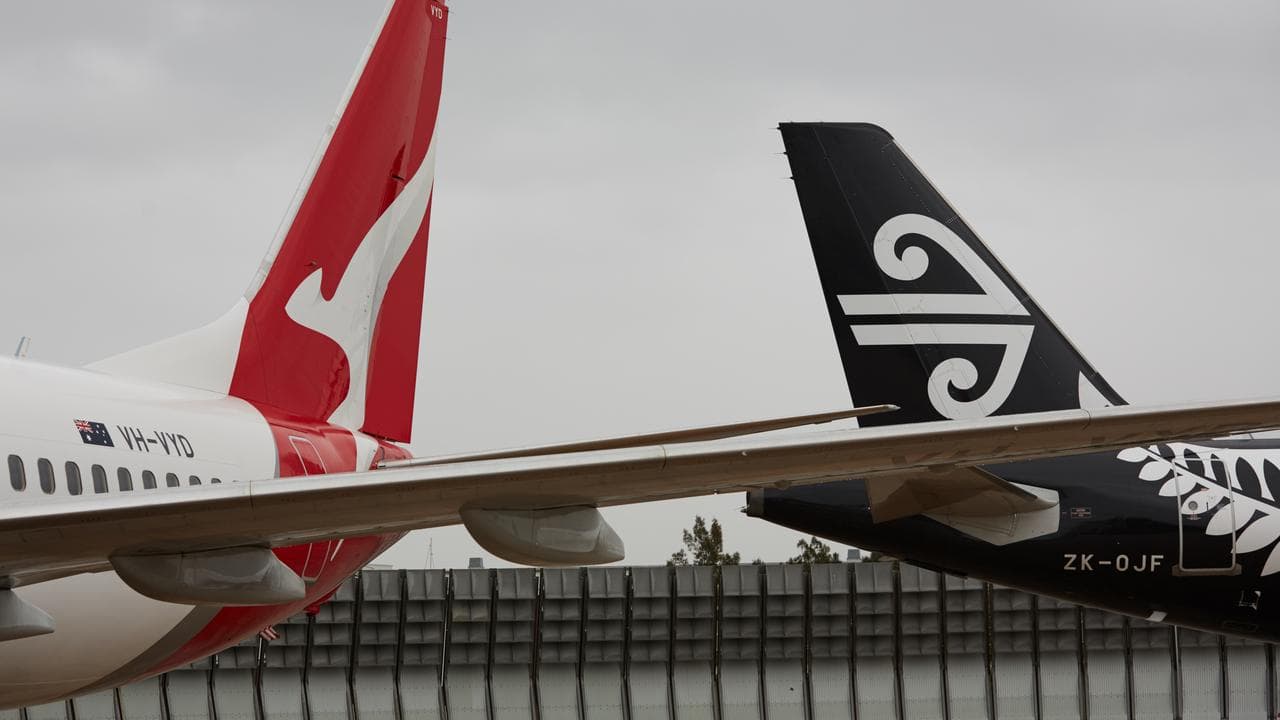
Across the ditch, Air New Zealand said it was suspending its full-year earnings guidance given the soaring price of jet fuel, typically an airline's biggest expense.
Jet fuel has spiked to between $US150 to $US200 per barrel in recent days, up from about $85 to $90 per barrel before the war.
The airline said jet fuel's pricing was made up of two elements, the cost of Brent crude and the refinery margin.
Air NZ is mostly hedged against Brent crude, but like most of its peers is exposed to movement in the refinery margin, known as the "crack spread".
The crack spread had spiked from about $US22 per barrel before the conflict to as high as $US115 per barrel, Air NZ said, noting it expected to consume 2.9 million barrels of jet fuel for the rest of the financial year.
"The crisis is expected to meaningfully affect second-half earnings and accordingly, the airline has suspended FY2026 guidance until fuel markets and operating conditions stabilise," the dual-listed airline said.
Air NZ has implemented "initial fare adjustments" and may need to adjust pricing and its schedule further depending on fuel costs.
It was also "progressing ongoing cost reduction initiatives", the carrier said, without giving details.


