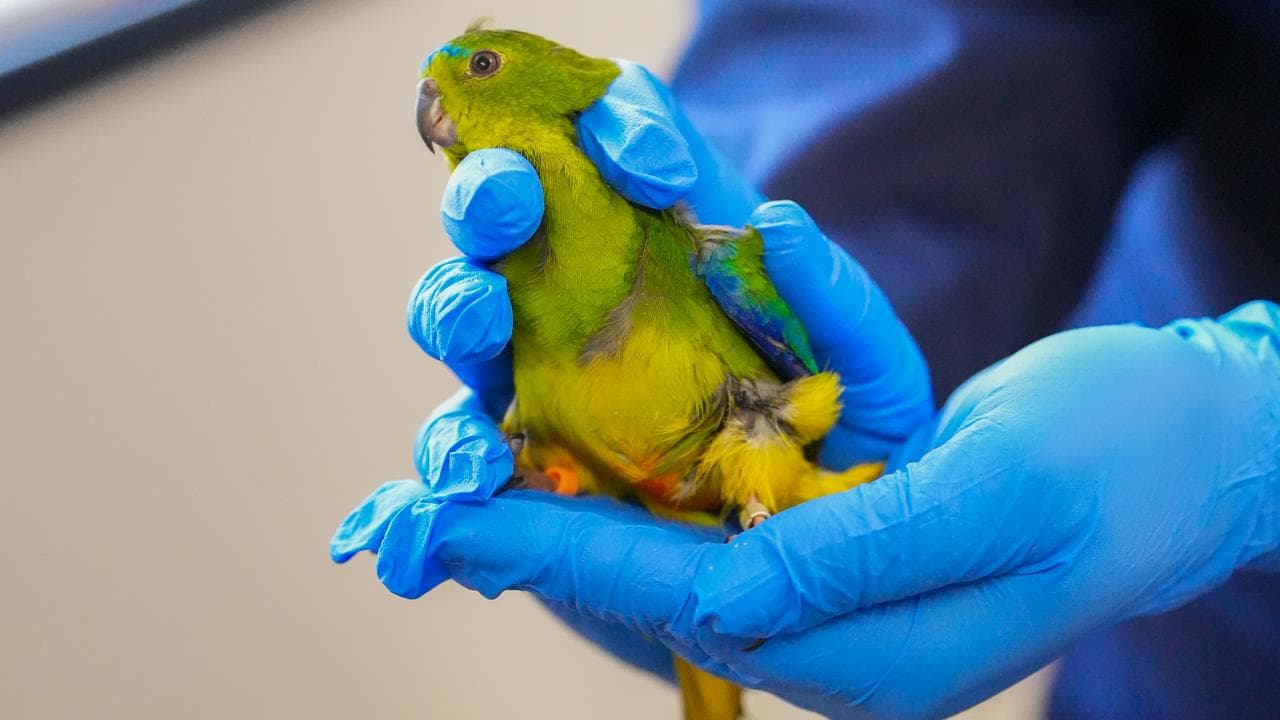
A vaccination program to help protect a critically endangered parrot from deadly H5 bird flu has begun in earnest ahead of its summer breeding season.
The migratory orange-bellied parrot, which has a wild population of 90-100, was considered a priority species by the federal government after the strain's arrival in Australia.
Researchers have raised specific concerns about the risk of H5 to the parrot due to its loss of genetic diversity over the past century and its potentially weak immunity.
Its wild population is propped up by a captive breeding program housed at Five Mile Beach outside Hobart.
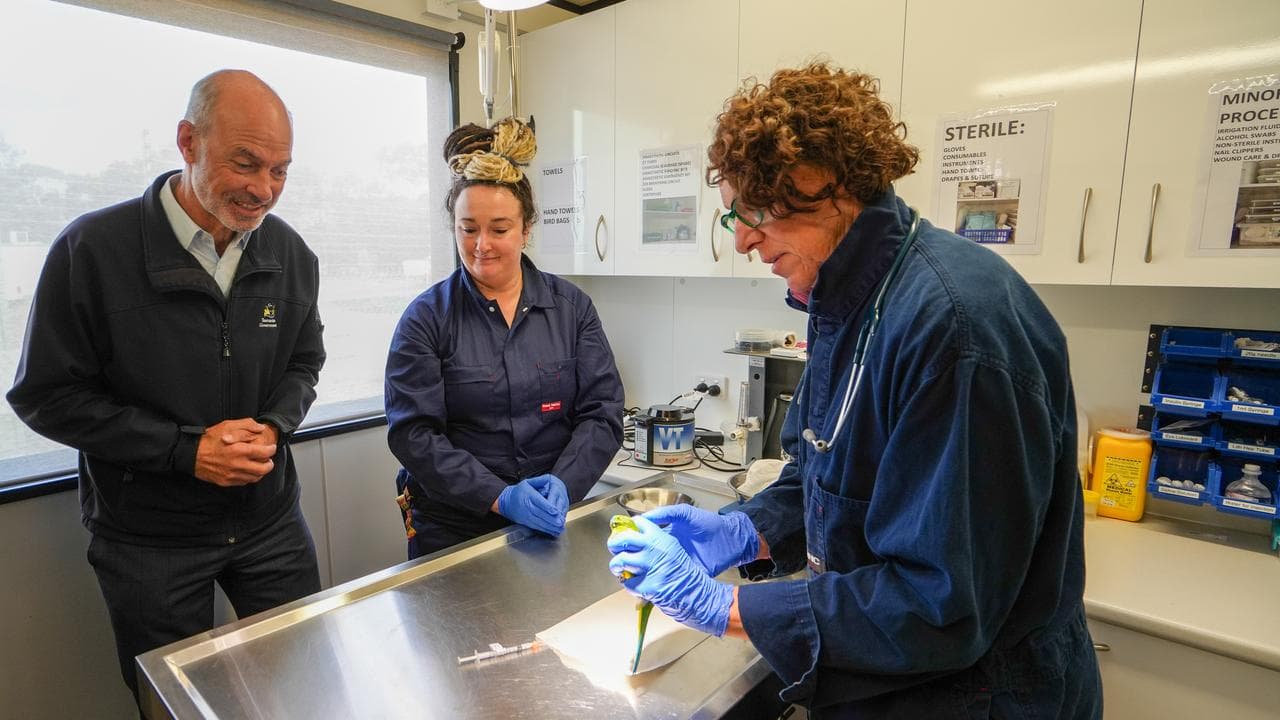
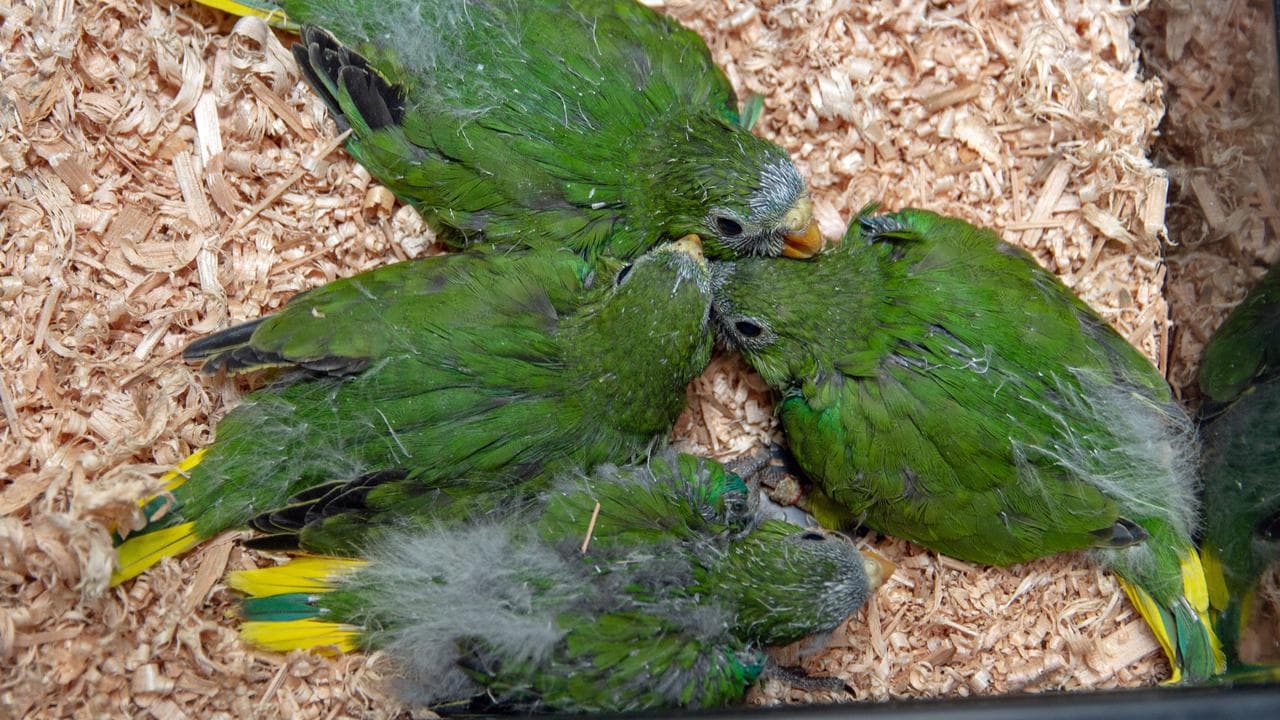
Veterinarians at the facility have started vaccinating 350 of the captive birds, including juveniles who will later go free in Tasmania to join the wild population as part of annual releases.
"It is very important for us. We have limited opportunity to prevent H5 incursion into the wild population," orange-bellied parrot program wildlife biologist Claire Lawrence said on Tuesday.
"Being able to release vaccinated birds into the wild will hopefully allow that wild population to persist.
"We don’t know what impact H5 will have on orange-bellied parrots. There is limited data on the effect of the virus on Australian parrots, so we’re treating it all with caution."
Orange-bellied parrots, which are about the size of a budgie, only breed in Tasmania in summer and spend the winter in coastal Victoria and South Australia.
Their population dropped to just 17 wild individuals in 2016.
Scientists will initially vaccinate a select few birds and assess if the jab impacts their fertility, although no adverse effects are expected.
The federal government is rolling out vaccines to several priority species nationally, including Victorian little penguin colonies on Phillip Island and at St Kilda.
Tasmanian Environment Minister Guy Barnett said the state would continue to assess the viability of vaccination for other priority threatened bird species.
The island state on Tuesday recorded its first cases of the flu in the southest, including one in a tern at Acton Park about a 15-minute drive from the parrot breeding facility.
As of Monday night, there had been 421 positive bird flu "events" across Australia - with authorities moving away from reporting individual cases.
People have been reminded to continue reporting sick and dead birds and keep their distance, saying such intel has been crucial in detecting the strain's spread.


