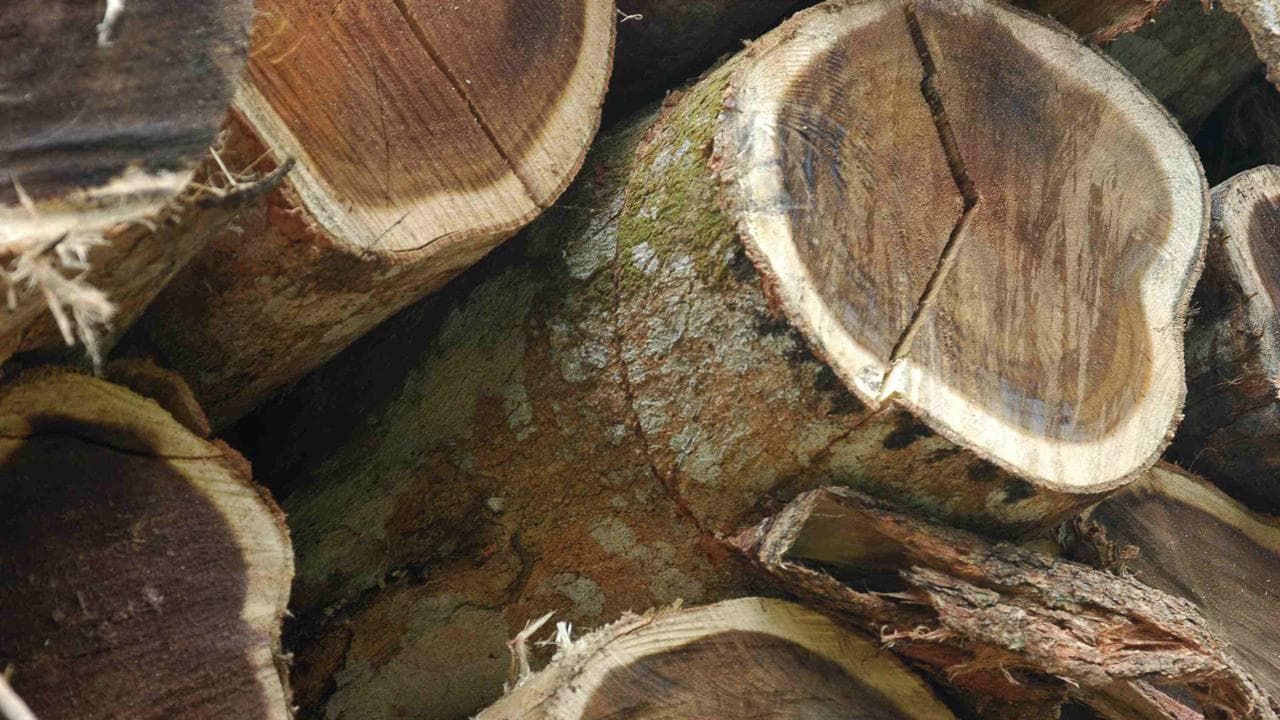
Native timber is still moving through Victoria's supply chains despite its end to native logging and $1.5 billion in transition funds, an investigation has found.
Environmental Justice Australia on Tuesday released a report examining Victoria's forestry transition, arguing its efforts to move away from native logging remain unfinished.
While native logging has largely stopped within the state, forests still lack permanent legal protections from future logging, it said.
"Ending logging operations is not the same as permanently protecting forests," the not-for-profit's co-chief executive Nicola Rivers said.
"After $1.5 billion in public funding, why have no trees been protected, as the government promised?"
Victoria's Labor government ended commercial native forest logging on public land in January 2024, unveiling a $1.5 billion package to support those affected by the transition.
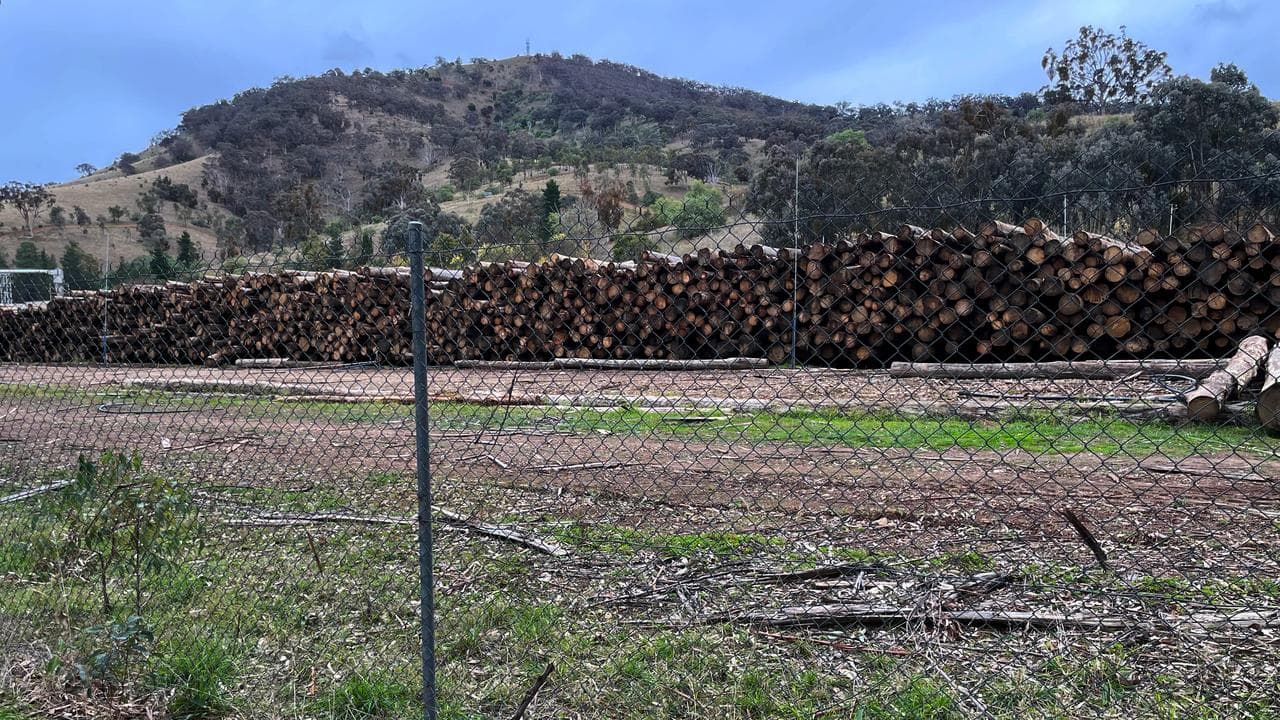
But the report found native forest timber continues to flow through Victoria, sourced from Tasmania and NSW.
It also pointed to loopholes allowing native forest logging to continue within Victoria, including on private land.
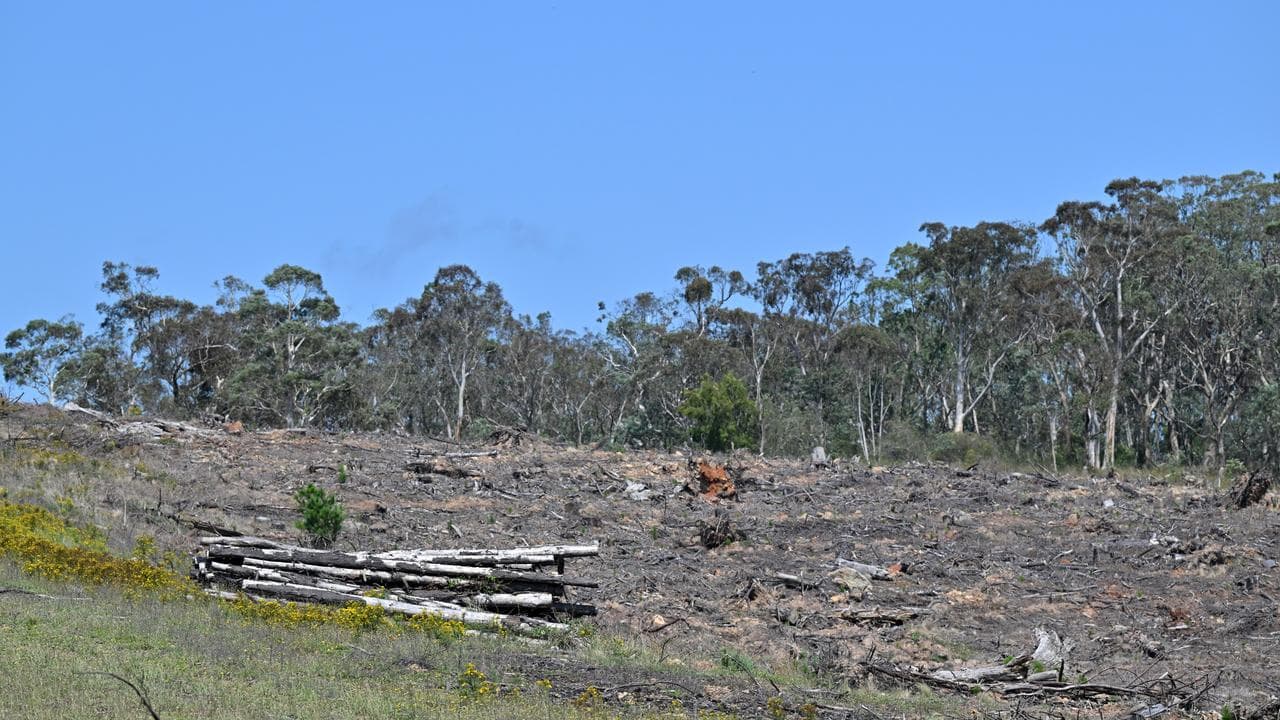
"While these activities are not unlawful, they undermine the transition and create an incentive for continued reliance on native forest timber," the report says.
Supported by forensic accounting by Clarium Forensics, the report also raised questions about how the $1.5 billion package was allocated.
Researchers were able to identify about $884 million in transition-related funding, with the remainder not publicly reconciled.
On Monday, a state government spokesperson laid out a list of initiatives worth $1.51 billion funded in response to questions from The Age.
AAP has contacted a government spokesperson for comment.
The report found the transition had delivered some outcomes, including supporting workers and businesses affected by the industry shutdown.
But it said transparency around funding remained limited and some recipients continued to be involved in native forest logging and processing.
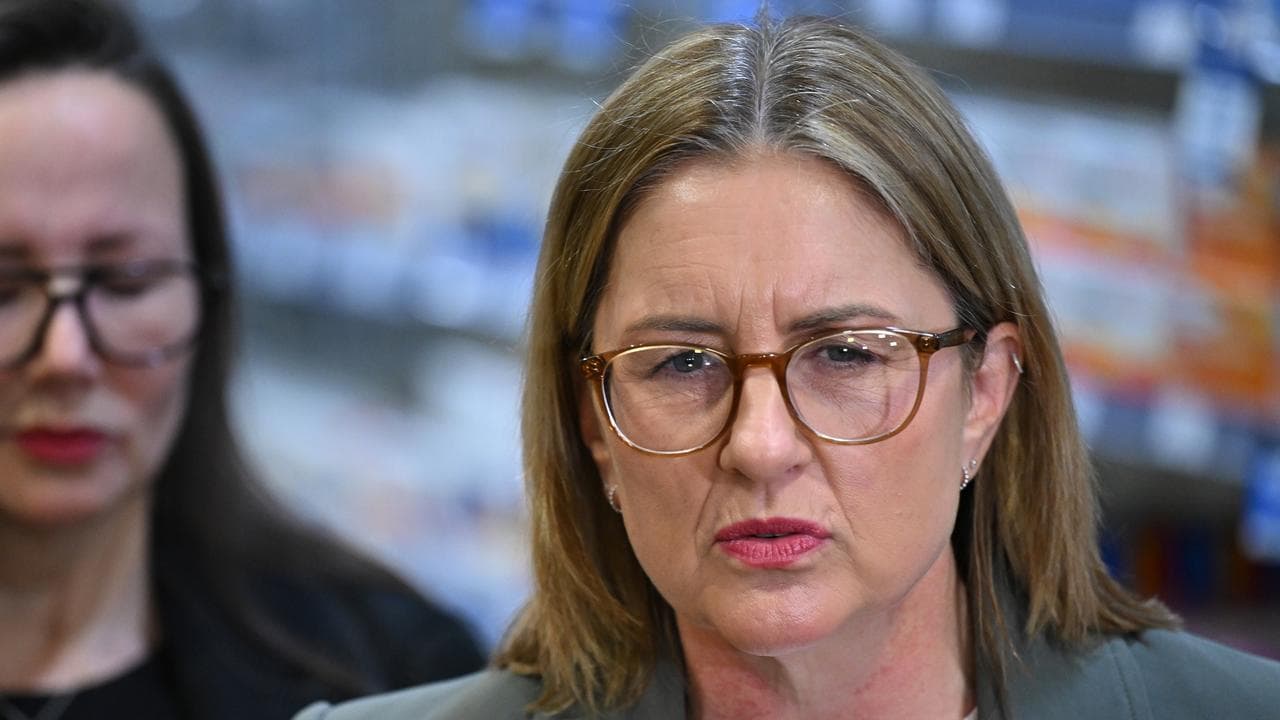
Victorian Premier Jacinta Allan said it was incorrect to suggest there had been a lack of public accounting when asked by reporters on Tuesday.
“These matters have been accounted for in the usual way through agency and department annual reports and the budget,” she said.
“To say otherwise would be wrong.”
Ms Allan said it was the government's responsibility to support communities and workers impacted by the logging transition.
"How the business then chooses to source its supply is a matter for those businesses," she said.
Forestry groups have defended the logging industry since the report and the ABC's Four Corners investigation came to light.
The Australian Forest Products Association said the industry contributed about $24 billion annually to the national economy and supported roughly 80,000 jobs.
It argued restrictions on local production would increase reliance on imported timber products from jurisdictions with weaker environmental standards.
Tasmanian industry and resources minister Felix Ellis said a loophole was to blame for the state-owned Sustainable Timber Tasmania's product flowing interstate.
"They provide logs to their customers at the mill door in Tasmania," he told ABC radio on Tuesday.
"That's in good faith on the basis that ... we'd expect that those mills then process the logs here in Tasmania."
He said Victoria's decision to ban native logging had created a market distortion and the Tasmanian government plans to close the loophole.


