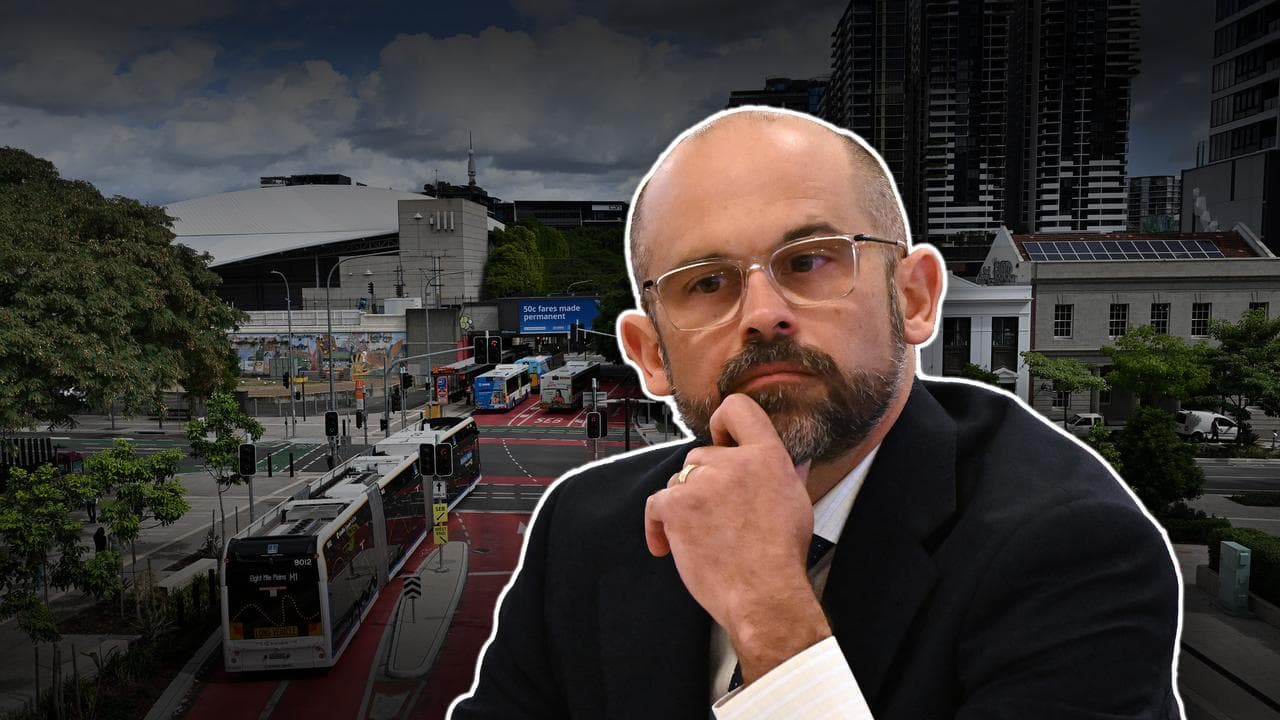
Record infrastructure spending has been unveiled by a state government set to reveal how it will provide cost-of-living relief while preparing to host the Olympics.
Queensland Treasurer David Janetzki has delivered a final pitch ahead of delivering his second budget on Tuesday, saying it will help shape the state's future as they count down to the Brisbane Games.
A record $119.2 billion in infrastructure over four years has been promised in the latest budget, with $55.9 billion set aside for roads and rail including a Gold Coast Transport Plan to be completed by 2032.
“Our first budget laid the foundation for a fresh start, and tomorrow’s budget will strengthen them because we need to build Queensland’s future,” Mr Janetzki said on Monday.
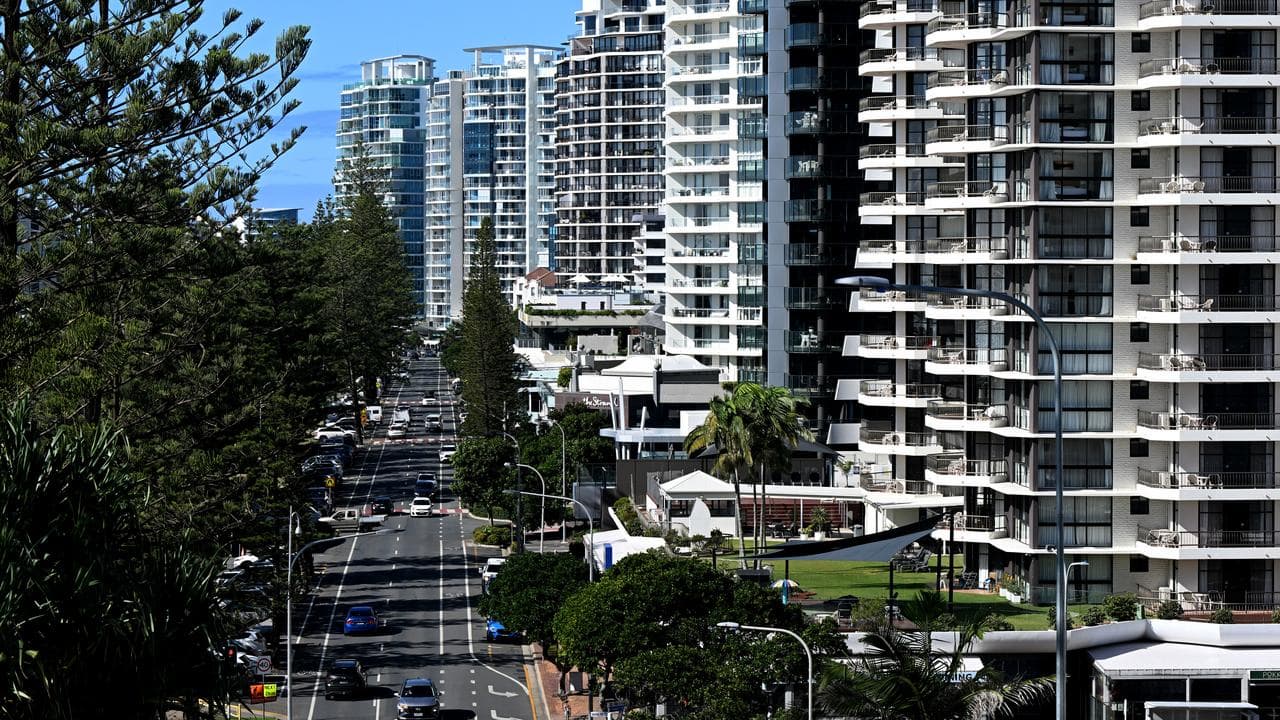
Under the plan, light rail will be extended from the Gold Coast University Hospital while a new "GC Surfer" Metro‑style service will link Robina with Gold Coast Airport via a tram line at Burleigh.
The projects have been billed as “generational infrastructure” to keep pace with population growth ahead of the 2032 Olympic and Paralympic Games.
More will be revealed in Tuesday's budget as the Liberal National government ramps up its 2032 preparation.
The state government has promised to avoid tax increases and reduce debt while increasing Olympic spending, amid warnings it faces an unstable income.
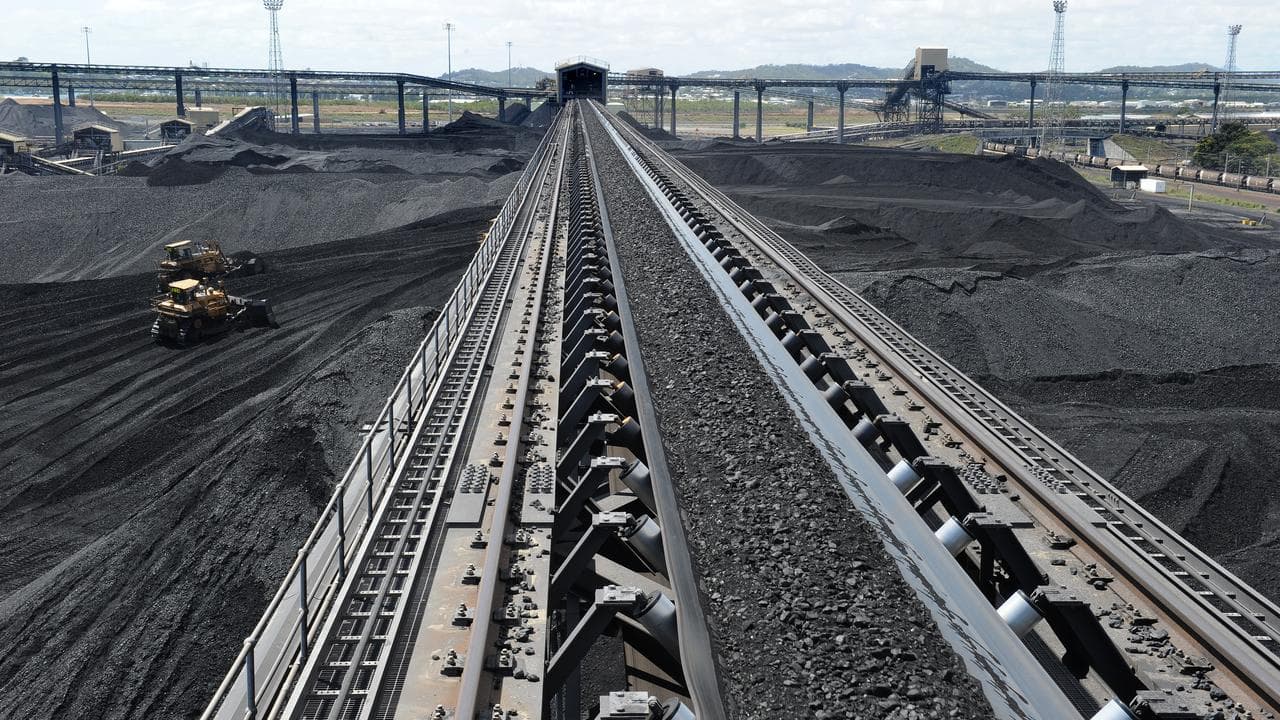
Coal royalties should provide a bright spot in the budget due to current elevated prices, University of Queensland Business School professor Shaun Bond said.
"That gives the government some breathing room in the short term," Prof Bond told AAP.
"But it is a volatile source of income and not something you can safely build long‑term spending promises around."
Stamp duty was likely to weaken as the property market slowed and higher interest rates made an impact, he said.
"The state has to be prepared for a much leaner stream of property‑related revenue in the years ahead.”
The revenue mix showed how exposed Queensland was to unstable income ahead of the budget, Prof Bond added.
The Olympics building program was creating a construction squeeze not seen before in a single state, with capital spending as a share of the economy now higher than NSW’s infrastructure boom at its peak, an independent economic think tank said.
Only about a third of the capital program was funded from cash flow, meaning Queensland was borrowing heavily to build at a time when interest costs were rising, e61 Institute said.
The 2032 Olympic projects have a hard deadline, making it tough to delay or re‑phase them and increasing the risk of cost blowouts or other work being pushed back, it added.
Queensland is also pressing ahead with major transport projects, including Brisbane’s Cross River Rail.
December’s Mid‑Year Fiscal and Economic Review forecast an $8.9 billion operating deficit in 2025/26 - the second worst in the nation relative to state output.
If ongoing expenses continue to soar, Queensland risks copping a credit rating downgrade.
There has been some relief flagged for Queenslanders with electricity prices for regional households expected to fall 6.9 per cent from July and 8.1 per cent for small businesses.
Government‑owned Ergon Energy has been ordered to pass on the full cut.
Water bills in southeast Queensland will also be frozen, saving the average household about $130 over two years.


