
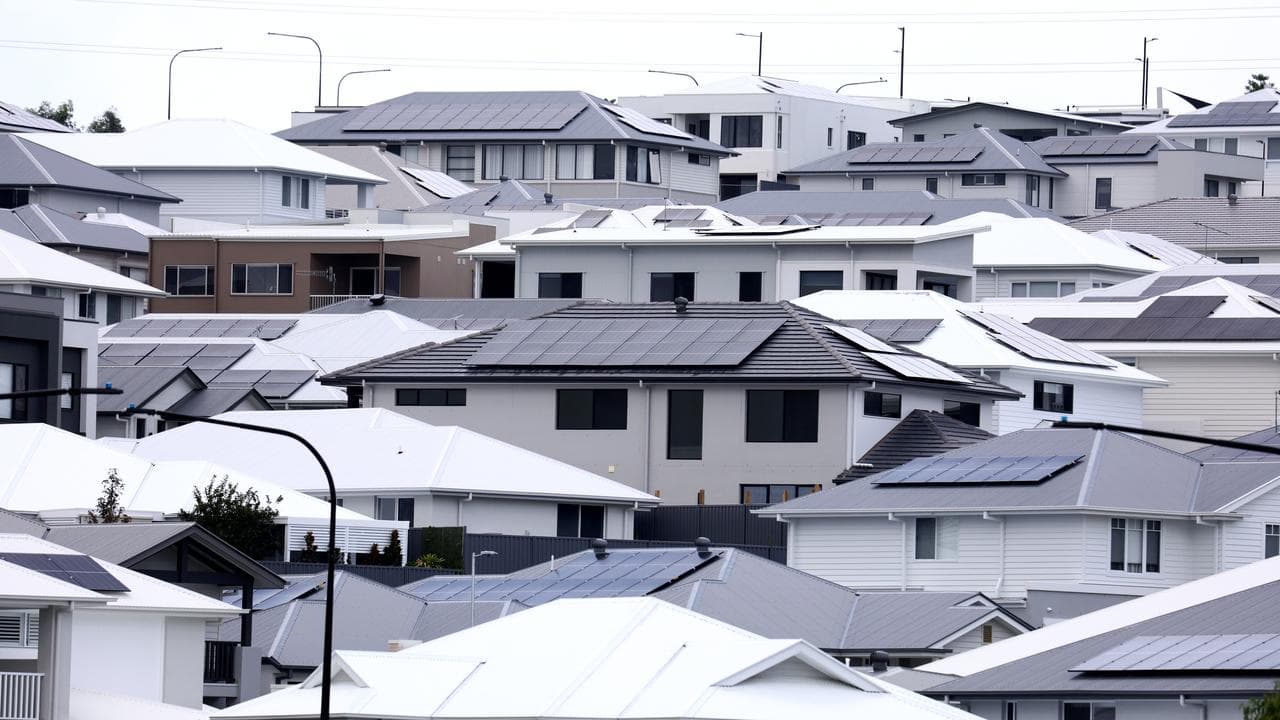
A third of the so-called "forgotten generation" fear they'll retire with mortgage debt, despite being one of the key cohorts to have entered the housing market relatively early in life.
Generation X, which sits between Baby Boomers and Millennials, has earned the moniker as a smaller and less vocal demographic than the other two.
Now these 46 to 60-year-olds are the subject of a new Australian study into how they feel about their financial future.
"This generation is resilient and capable, but tired, under-recognised and coping rather than thriving," according to Toby Ellis, head of the community rewards platform Citro, which commissioned the research.
The study of just over 1000 people found that 51 per cent felt they were mostly or completely invisible in the national debate, despite many government leaders themselves being Gen X.
Some 30 per cent expect to retire with a mortgage, 98 per cent say they're exhausted most of the time, and up to 70 per cent are caring for children and/or parents, which leaves them financially or emotionally stretched.
"Generation X is holding a lot together in Australia right now - families, workplaces and communities - but they’re doing it quietly and often at personal cost," Mr Ellis said.
According to the most recent federal budget, between 65 and 80 per cent of Gen Xers own or are buying their own home, compared to less than 50 per cent of those aged under 40.
But Gen X has been taking the brunt of an uptick in inflation in the years since the COVID pandemic, just as they head into some of the most expensive or financially vulnerable years of their lives.
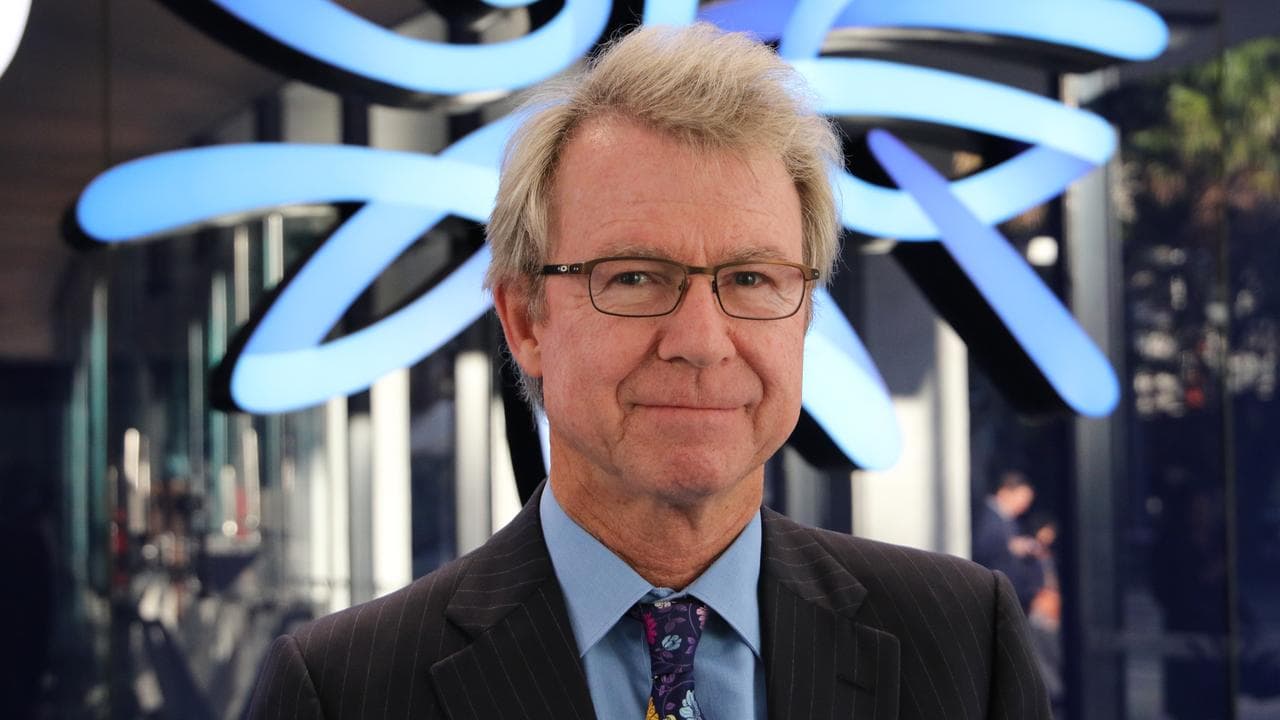
"The surge in inflation following the pandemic significantly eroded purchasing power, and it will take many years for that lost ground to be fully recovered," said Shane Oliver, chief economist at AMP, which is a Citro backer.
"These are peak expense years - when mortgages are largest, children are still financially dependent, and caring responsibilities extend simultaneously to ageing parents and family members.
"The result has been sustained financial compression, not temporary adjustment."
Pilot and Gen Xer John Pavlov agrees.
"Our salaries and wages might be a bit higher, but our spending power has unquestionably gone backwards," he told AAP.
"We're doing the heavy lifting at the moment, it could be argued ... but I think each generation has its challenges."

Given high housing prices, Mr Oliver said people are taking on mortgages later in life, and borrowings tend to be larger.
"So we are now seeing more Australians taking their mortgages into retirement," he said.
At the same time, many Gen Xers stand to inherit from their Baby Boomer parents, "and I suspect that, for some, that will alleviate the tension around having a mortgage going into retirement," Mr Oliver said.
According to demographers, Gen Z were born between 1996 and 2011, Millennials between 1981 and 1995, Gen X between 1966 and 1980 and Baby Boomers between 1946 and 1965, the statistics bureau says.
Gen Z make up 18.2 per cent of the population, Millennials and Baby Boomers 21.5 per cent each and Gen X 19.3 per cent, the 2021 census shows.


