
Australian businesses are under fire from both sides as conflict in the Middle East drives up prices and weakens demand.
After first lighting a fire under fuel costs, the impacts of the US-Israeli-led war in the Middle East have begun flowing through the rest of the Australian economy, adding to price pressures, the most recent Deloitte Access Economics Retail Forecast found.
Fuel, energy, plastics and fertiliser prices have surged while the rising cost of living is squeezing household budgets and dampening consumer spending.

All of this is set to temper retail sector growth, with retail turnover expected to increase by 1.8 per cent in 2026, down from 2.3 per cent in 2025, the report found.
"Events over the first half of 2026 mean Australian retailers are facing a simultaneous attack from both flanks - rising costs and weakening demand," Deloitte Access Economics partner David Rumbens said.
"Retailers typically pass cost shocks on to consumers relatively quickly during periods of high inflation.
"However, retailers also need to be aware that consumers can only take so much."
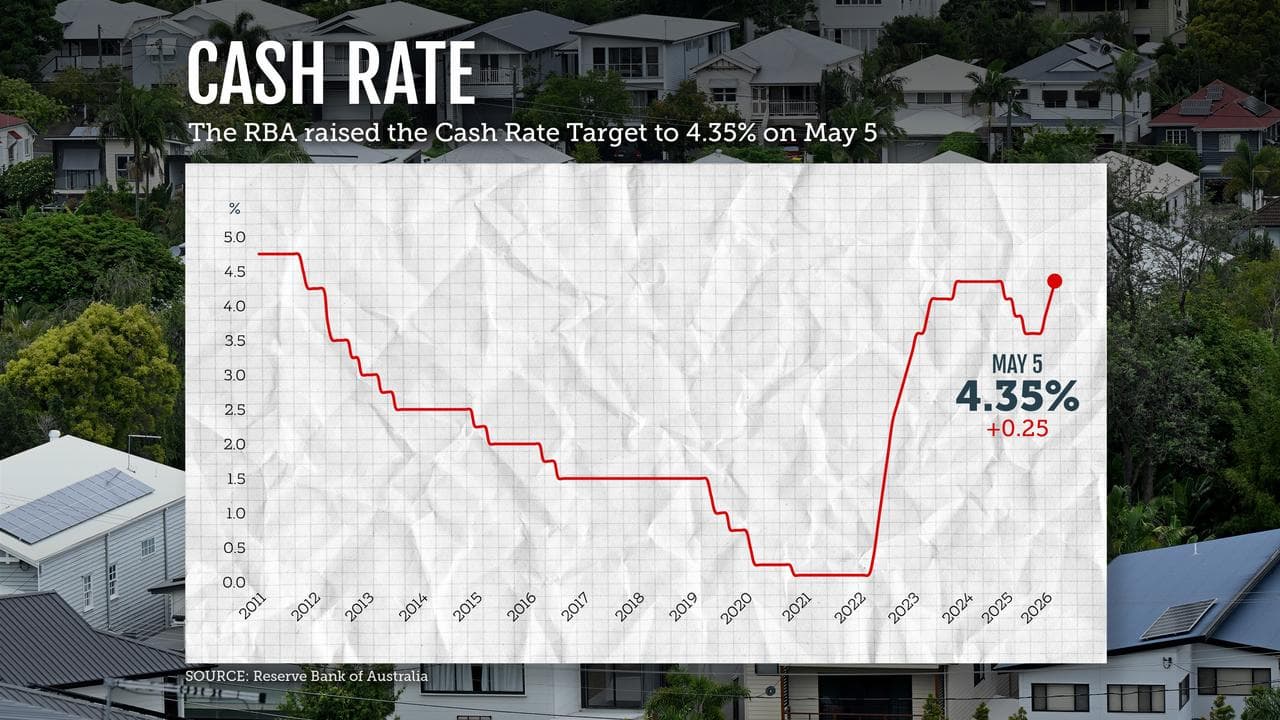
Australia's central bank raised interest rates for the third consecutive time in May, adding to consumer concerns.
Combined with trimmed mean annual inflation rising to 3.4 per cent and gloomy forecasts for economic growth and real wages, Mr Rumbens warned demand-side pressures were "threatening to bite".
"Recent months have seen some of the worst consumer sentiment readings on record, with households increasingly worried about their finances," he said.
Discretionary spending growth is expected to slow from 2.5 per cent in the year to December 2025 to 0.7 per cent in the year to December 2026 as the impact of rate rises, elevated inflation and uncertainty about the Middle East continues.
On the other hand, spending on essentials is expected to grow from 2.5 per cent to three per cent in the same period, though the figure could pull back as households look to scrimp and save.
Impacts on Australian retailers were expected to worsen as the effects of the Reserve Bank's rate rises fed through to mortgage costs and the consequences of the Middle East war spread, Mr Rumbens said.
Should the conflict continue, higher prices and a shortage of certain goods would have knock-on effects on inflation, interest rates and economic growth.
The Deloitte Access Economics report has urged business owners to plan for future scenarios, manage cost pressures and make strategic decisions.


