A review of potential artificial intelligence use in parole decisions will be undertaken after a "concerning" error in the case of a high-profile murderer.
Tasmania's justice department on Friday evening confirmed the review was occurring, four days after a parole condition of convicted killer Susan Neill-Fraser was deemed invalid.
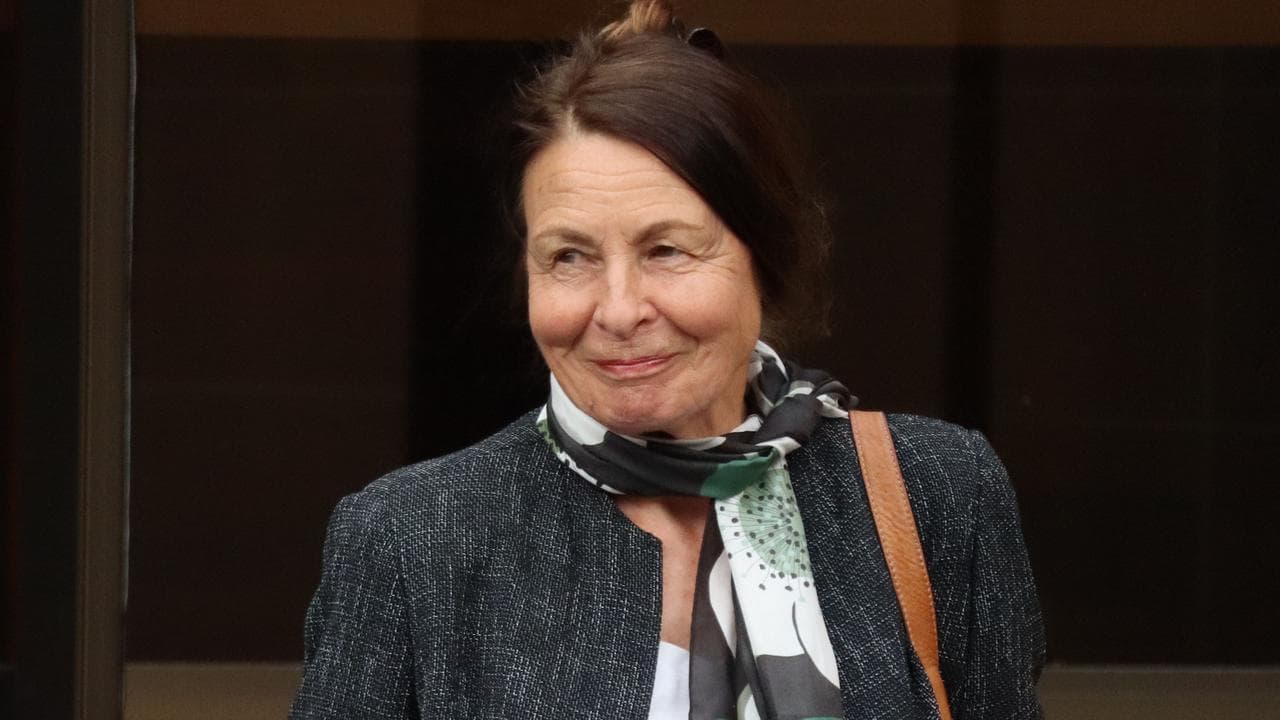
Neill-Fraser was released on parole in 2022 after serving 13 years behind bars for murdering her partner Bob Chappell on their yacht in 2009.
The state parole board later added conditions preventing her from speaking to the media to claim her innocence or an alleged wrongful conviction.
On Tuesday, after a legal challenge from Neill-Fraser, the Supreme Court of Tasmania ruled the condition was invalid and made without procedural fairness.
It was revealed in court that the parole board relied on a document prepared with the help of AI and cited case law that didn't exist.
"The department will undertake a review to determine the extent to which artificial intelligence may have been used to inform past Tasmanian parole board decisions," a justice department spokesperson said.
"The department is unable to comment further while the review is in progress."
The parole board is an independent decision-making body to the department.
Prisoners Legal Service Tasmania chair Greg Barns said the conditions placed on Neill-Fraser were deeply troubling, and it was extraordinary that the case law relied on wasn't checked.
The legal service was undertaking its own audit of two years' worth of parole board decisions to see if there were any signs of AI use or mistakes, Mr Barns said.

Sarah Schwartz, from the Human Rights Law Centre, which represented Neill-Fraser, said the case had revealed serious deficiencies.
"It's really concerning that the parole board of Tasmania ... used AI in generating this document," she said outside court on Tuesday.
"(It) severely restricted our client's fundamental freedoms, her freedom to speak in regard to her matter."
A spokesperson for the parole board has said it does not comment on individual matters and was unable to answer questions about the extent of its AI use.
Neill-Fraser, who has launched multiple failed appeals against her conviction, has vowed to continue her fight to clear her name.
Attorney-General Guy Barnett has written to the parole board asking for an explanation and said the mistake was unacceptable.


