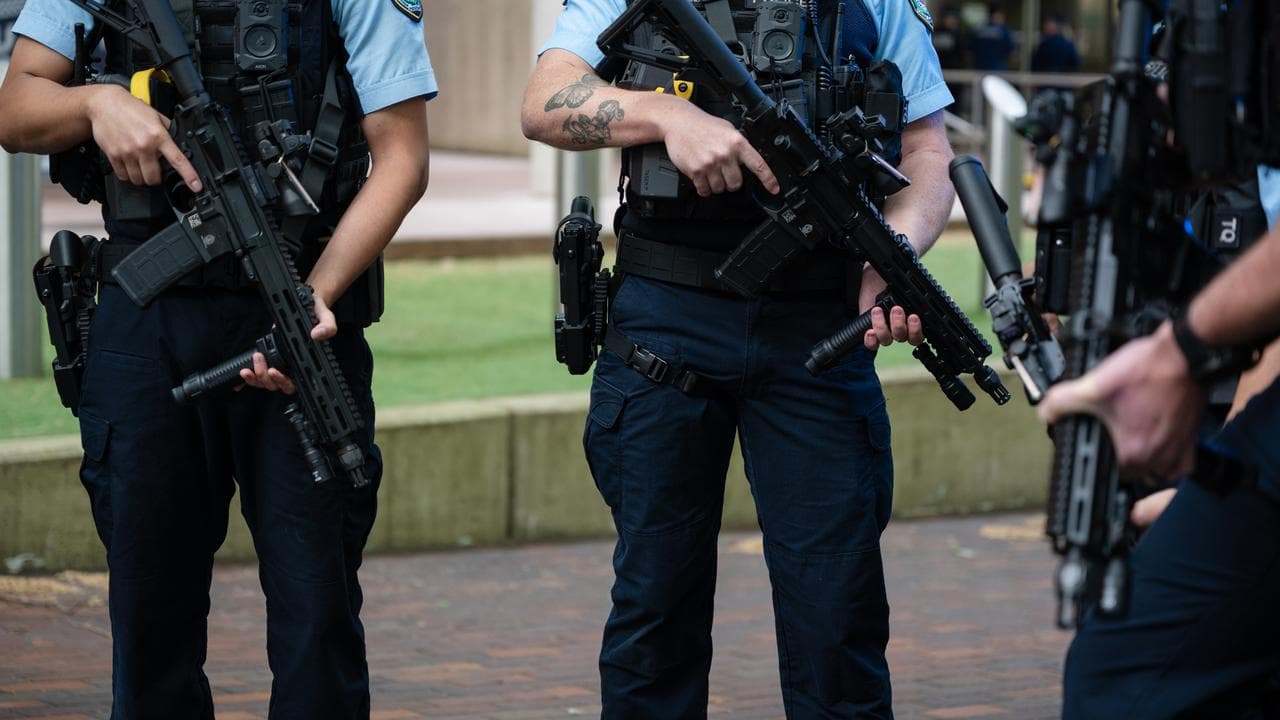
Passersby in one state should get used to police carrying long-armed rifles in public, as the government is accused of “intimidating” its way to community cohesion.
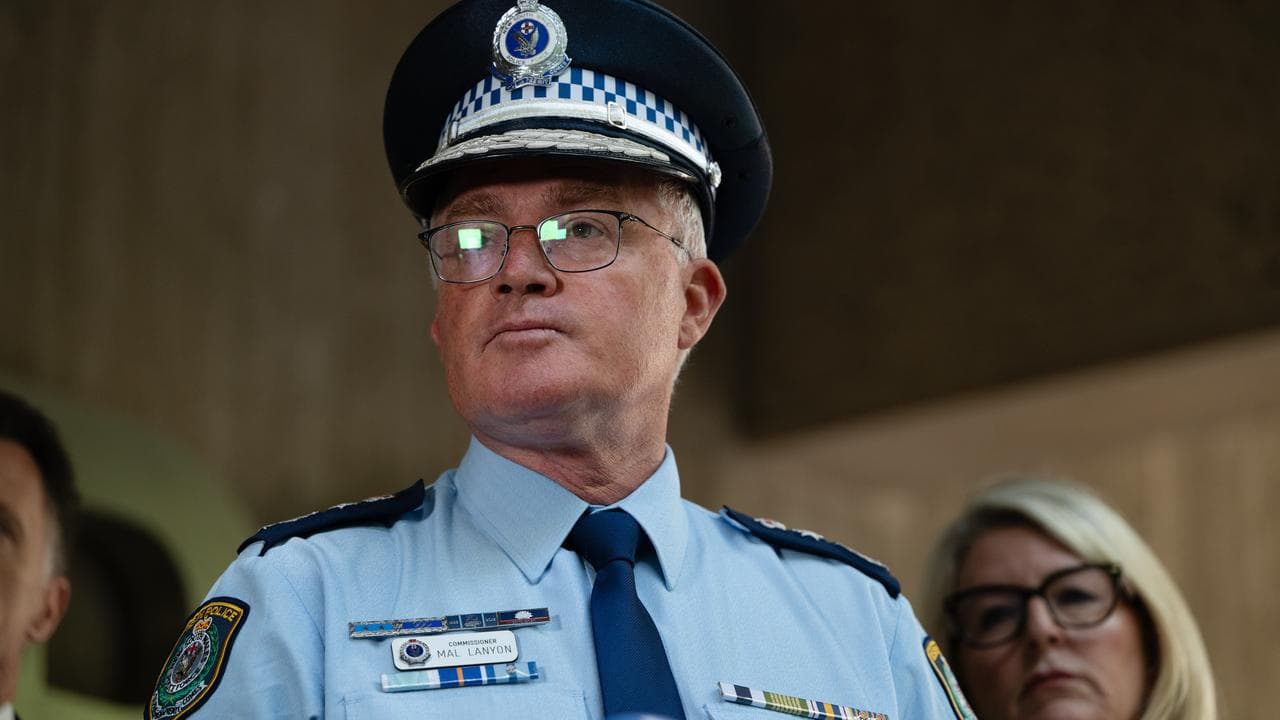
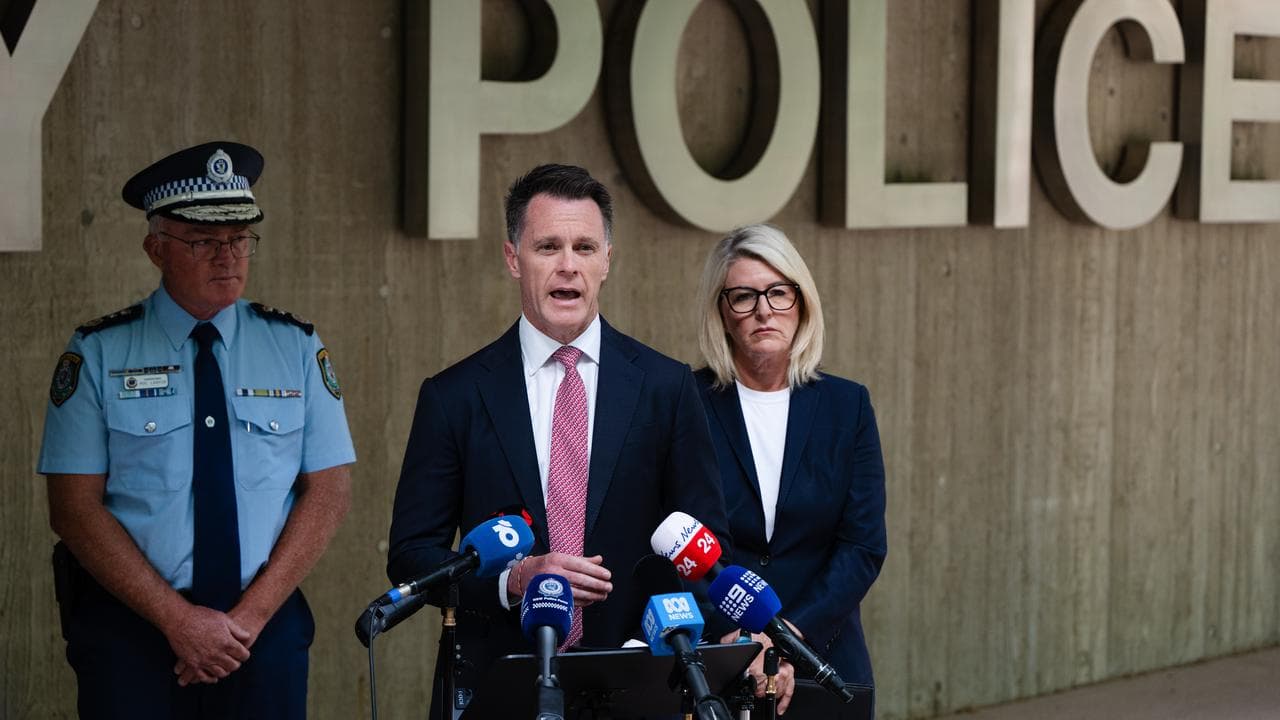
NSW Premier Chris Minns and Police Commissioner Mal Lanyon on Thursday announced their Armed Response Command unit would begin training in public, one month ahead of operational deployment.
The government formed the Armed Response Command unit - backed by $94m in funding - in February following the December 14 Bondi massacre.
The unit is set to patrol high-risk areas and be present at places of worship and major events, and operate around the clock. Officers will be fully trained and ready to deploy on November 1.
Mr Minns said the public would have to adjust to seeing high-powered weapons on city streets.
"It will take some getting used to for ordinary members of the public,” he said.
"It’s not necessarily normal to see heavily-armed police officers on our streets, but that’s what you will see."
Mr Lanyon said the unit would be highly visible and a “deterrent” to would-be attackers.
“It’s about providing reassurance. I want the community to feel safe,” he said, leaving the door open to “scaling-up” the unit in the future.
NSW Greens MP Sue Higginson labelled the force an "intimidation unit".
“It’s a political failure of (the government) they will now wave weapons of death around our streets and put the fear of police violence into our communities," she said.
“To believe you can intimidate your way to community cohesion is authoritarian and draconian.”
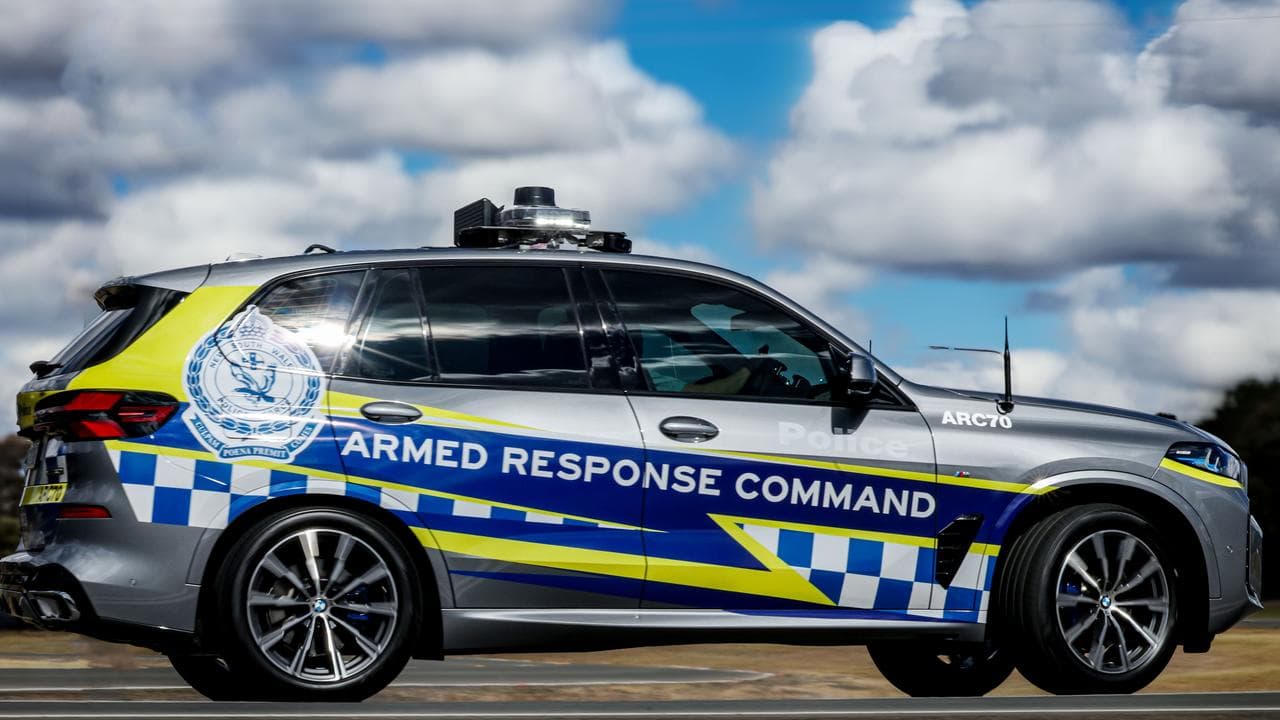
At full capacity, it will have 250 dedicated officers and 28 civilian staff and have access to specialised cars and assault rifles.
The unit will take over patrols from Operation Shelter, established in October 2023 amid a rise in anti-Semitic and Islamophobic incidents in the state.
Mr Minns on Thursday said “things needed to change” after the Bondi attack, where 15 people were killed as alleged gunmen targeted a Hanukkah celebration.
According to its latest figures, the operation recorded 815 incidents considered anti-Semitic or Islamophobic in nature, as well as other incidents that fall into neither category, with more than 230 people arrested.
The accuracy and veracity of these numbers have been questioned after it was revealed nearly 370 anti-Semitic incidents were incorrectly categorised dozens of times.
"The evidence is in, ... segments of our community feel unsafe, it's usually because of their faith," Mr Minns said in February.
Public hearings at the Royal Commission into Anti-Semitism and Social Cohesion heard days of witness testimony suggesting social ties were fraying in the nation faster than before.
Macquarie University extremism expert Julian Droogan said Bondi showed the cost of officers being outgunned, adding well-equipped officers at high-risk sites could save lives.
But he told AAP the nation also needed proactive countermeasures to terrorism.
“This involves programs that interrupt radicalisation, counter violent extremism in our communities and, perhaps most importantly, build and support socially cohesive communities,” he said.
“Otherwise we risk only reacting to attacks and letting terrorists set the agenda.”


