In and out of jail for half of his young life, Chris quickly learnt to have eyes in the back of his head to survive the violence between cells.
Since his release in January, he has adopted a new mantra of trying to stay on the "right path" with the help of a pioneering program dedicated to empowering Pasifika prisoners.
The Samoan-Australian man, who works in fire protection and grew up in the outer western Sydney suburb of Mt Druitt, says reconnecting with his culture has humbled him.
"Karma is a real thing, so when you do bad stuff, bad stuff happens to you," the 26-year-old says.
"But they helped me get my place, gave me advice and it led me to staying on the right path."
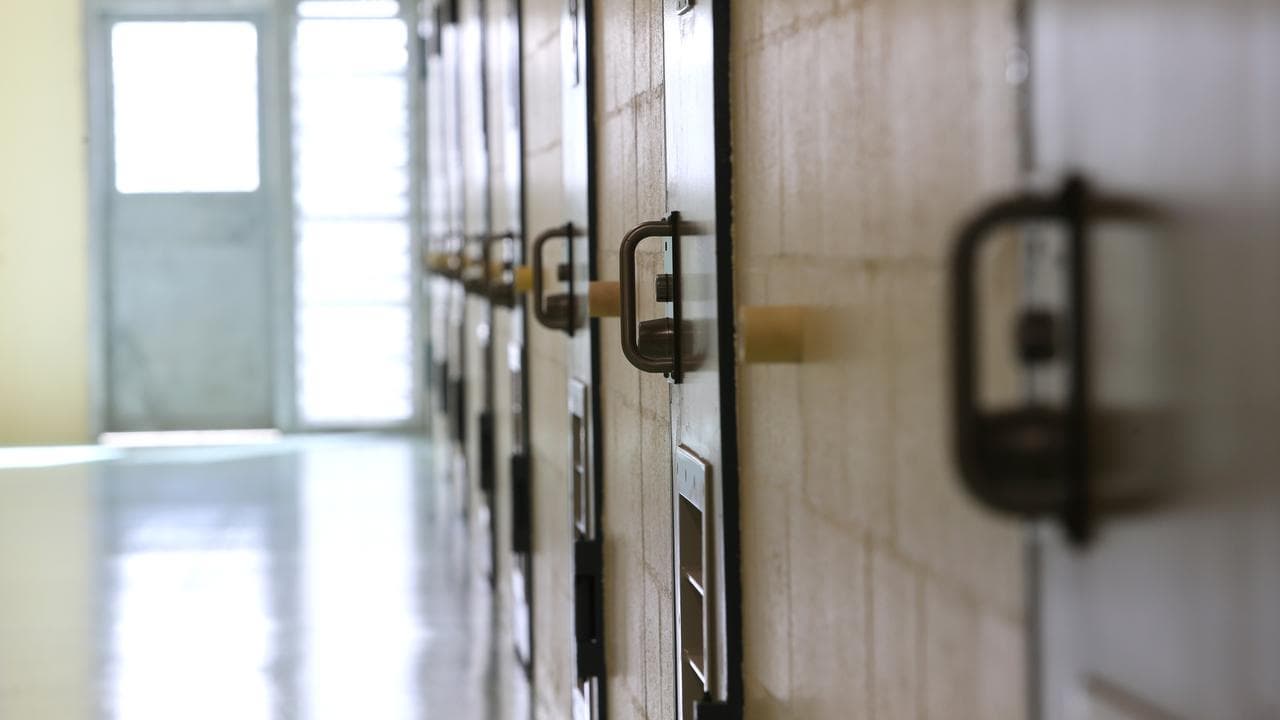
His rap sheet since his first offence aged 13 runs the gamut from armed robbery to grievous bodily harm, with his latest stint in prison lasting over two years.
But he wants a different life for his four-year-old son and declines to provide AAP with his surname so as to protect him.
"I'm just trying to make sure my son doesn't have that type of rough upbringing, make sure he's filled with love ... and he's not wanting to go out and do those things."
While people of Pasifika heritage make up roughly 1.6 per cent of NSW's population, they account for approximately 3.5 per cent of the adult prison population and a higher proportion in some juvenile centres.
Mt Druitt is home to thousands of Pasifika residents as well as disgruntled youth who have become more brazen in their "post and boast" crimes and the glamorisation of gang culture.
The self-proclaimed Coconut Cartel, exploiting a slur against Pasifika people, has in particular gained notoriety for everything from botched assassination attempts to shootings, firebombings and kidnapping.
Amateur teenagers are increasingly being recruited to carry out the underworld hits for small paydays reportedly ranging from $500 to $2000.
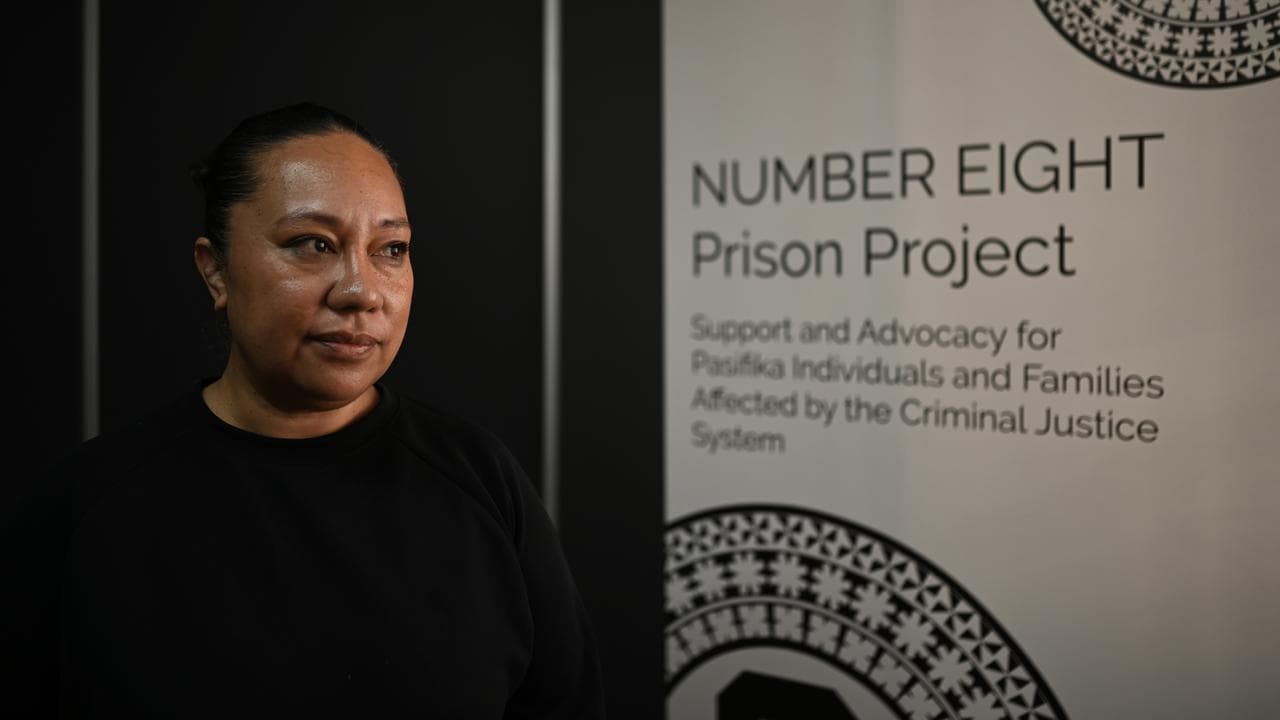
Diana Curuenavuli, founder and CEO of Number Eight Prison Project, is all too aware of how a costly teenaged misstep can mean years behind bars.

Her son, now 25, is due to be released from jail in November after first offending as a 15-year-old and spending time in juvenile detention.
She founded the project to prevent more Pasifika youth going down the same dangerous route and to support their families as they navigate the criminal justice system. Yet it has been an uphill battle.
"Our kids are willing to take more risk because prison just doesn't feel like an ultimate punishment," she explains to AAP.
"Before it used to be scary about not wanting to go to prison but now it's almost glamorised."
She created the Mana, meaning strength in Maori, which is an eight-week course that challenges participants for honest reflection, accountability, and growth while remaining culturally safe and strengths-based.
"The constant push towards stereotypical careers is really letting our young people down and so part our program is introducing them to people who are doing really different things," she says.
University of Sydney academic Jioji Ravulo says diversion programs originated across the ditch in New Zealand and are based on discussing the impacts associated with their offender's behaviour if they are minor offences.
He explains that trying to reduce the risks associated with someone potentially being a repeat offender has its limitations.
"Being tough on youth crime doesn't work," he tells AAP, based on his two decades of research.
"A lot of the offending that you'll see with Pacific young people generally are what we call serious indictable offences which means they can be potentially tried as an adult and are not then eligible for such programs.
"That's when it becomes tricky for our communities," Professor Ravulo says.
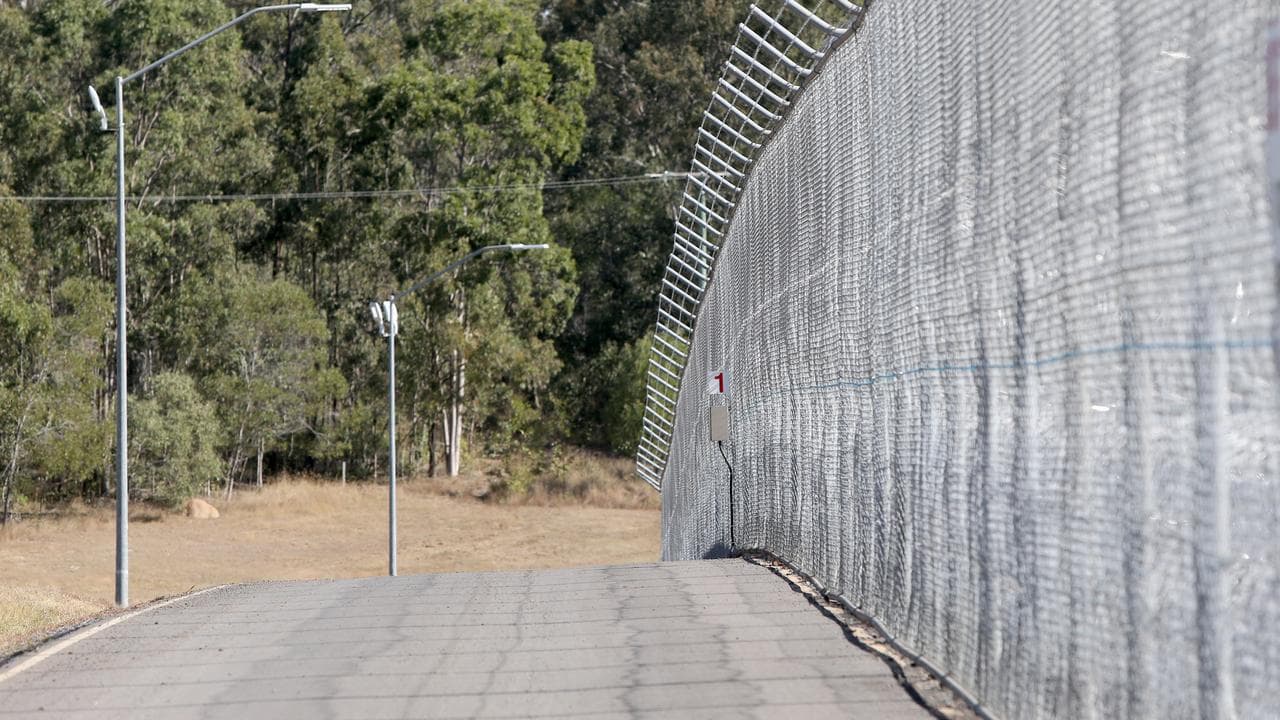
After a spate of heinous crimes, calls in NSW are growing louder to follow Queensland which introduced 'adult crime, adult time' laws setting mandatory prison sentences for certain crimes regardless of an offender's age.
NSW Bureau of Crime Statistics and Research figures reveal police court proceedings against juveniles in the Blacktown district jumped 35 per cent in the two years to June 2026.
The Central West in regional NSW also recorded a 17 per cent increase.
Carlthan Sofa, a Mana diversion program participant, says he does not want to end up like relatives and peers of his in the carceral system.
"I was probably about 16 when my life started to take a massive turn," he says after graduating from the course.
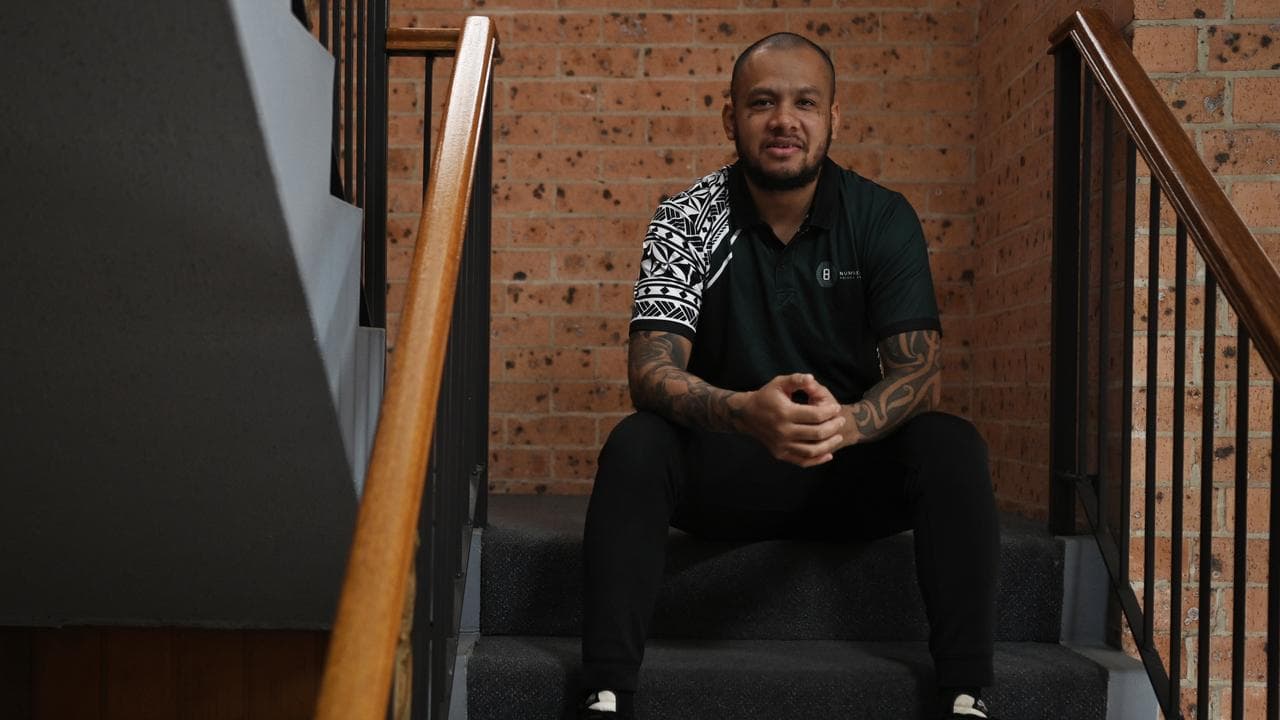
"As I got older and progressed in life, I started to turn to heavier things, and I was getting in trouble with the law," the 27-year-old says.
He is determined to "break that cycle and to do better".
Mr Sofa is committed to becoming a youth worker to inspire others of similar backgrounds.
"The younger generation has a lot of violence around it, and I just want to you encourage them that there's ways out of out of things and give them the opportunity to open doors that they feel they can't open themselves," he says.
"It's sad to see when you love someone so dearly is so limited to resources and facing stuff inside, especially my cousins as they're my flesh and blood because jail is not a good place to be."


