Delays in a long-awaited policy designed to stop Australians in home care being overcharged are being blamed on economic shocks from the Iran war.
The federal government had intended to introduce price caps for home care services from July, but has put the move on ice for fear of baking in "volatile" cost increases from the economic turmoil caused by conflict in the Middle East.
"We've seen in some other programs, the NDIS is one example, that if you set the price cap a little bit too high, everyone moves up to the price cap," Health Minister Mark Butler told reporters in Newcastle on Tuesday.
"That's not just bad for the budget, more importantly that's bad for recipients of care as well."

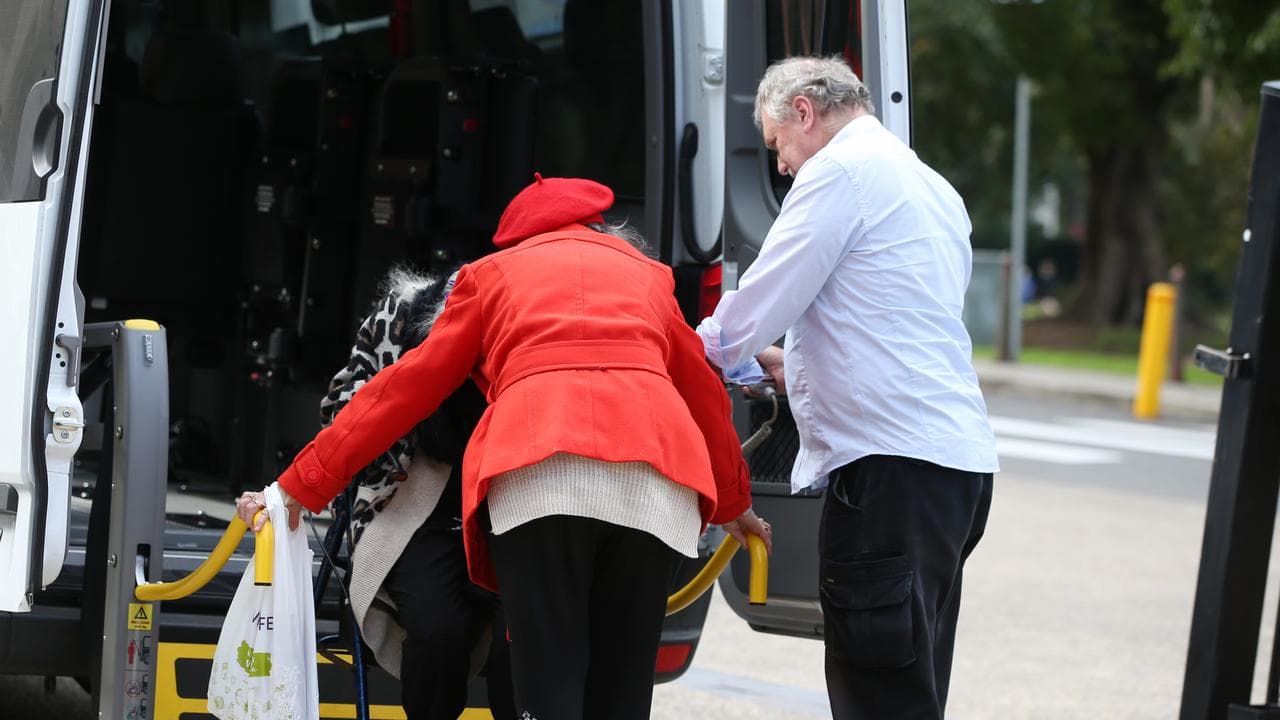
Hundreds of thousands of people rely on the support at home program, which provides help with cleaning, showering, transport and clinical supports such as nursing and occupational therapy.
"We want to do more work on price caps to make sure it doesn't lead to unintended consequences," Mr Butler said.
The price caps were planned to be part of a broader tranche of reforms aimed at making the sector more financially sustainable over the long run.
Advocacy group Council on the Ageing welcomed the new measures but warned the hard work on price caps needed to continue.
"What matters is not the mechanism itself, but whether older people are genuinely protected from excessive and unreasonable pricing," chief executive Pat Sparrow said.

The peak body for aged care providers described the price cap plan as premature and said more time was needed to get settings in the sector right.
"With no independent costing study completed since the Support at Home program commenced in November, any caps set now would not be able to account for the true cost of delivering quality services," Ageing Australia chief executive Tom Symondson said.
In a bid to better protect older Australians while the policy is being developed, the Aged Care Quality and Safety Commission will have the power to order refunds for services where providers are found to be overcharging.
The commission will be able to take action against providers who do not issue monthly statements and require regular public reporting on investigations and enforcement action.
Reports showing different prices for support at home will be published so older Australians and their families can see how their provider compares.
The government will also encourage providers to limit price increases to no more than two per year, so older people can budget their packages.

Delaying the caps was the right move because the government had given industry no detail about how they would work, opposition aged care spokeswoman Anne Ruston said.
"For the minister to try to hide behind the Iran war as an excuse is cynical and dishonest," she said.
Mr Butler said looming changes to private health insurance rebates would not be scrapped for older Australians, despite criticism from the demographic.
Discounts on the rebates for over-65s will be wound back, with more than three million people to pay about $240 a year more for insurance.
Mr Butler said the measures were to redirect funding into aged care and make the rebates equitable among age groups.


