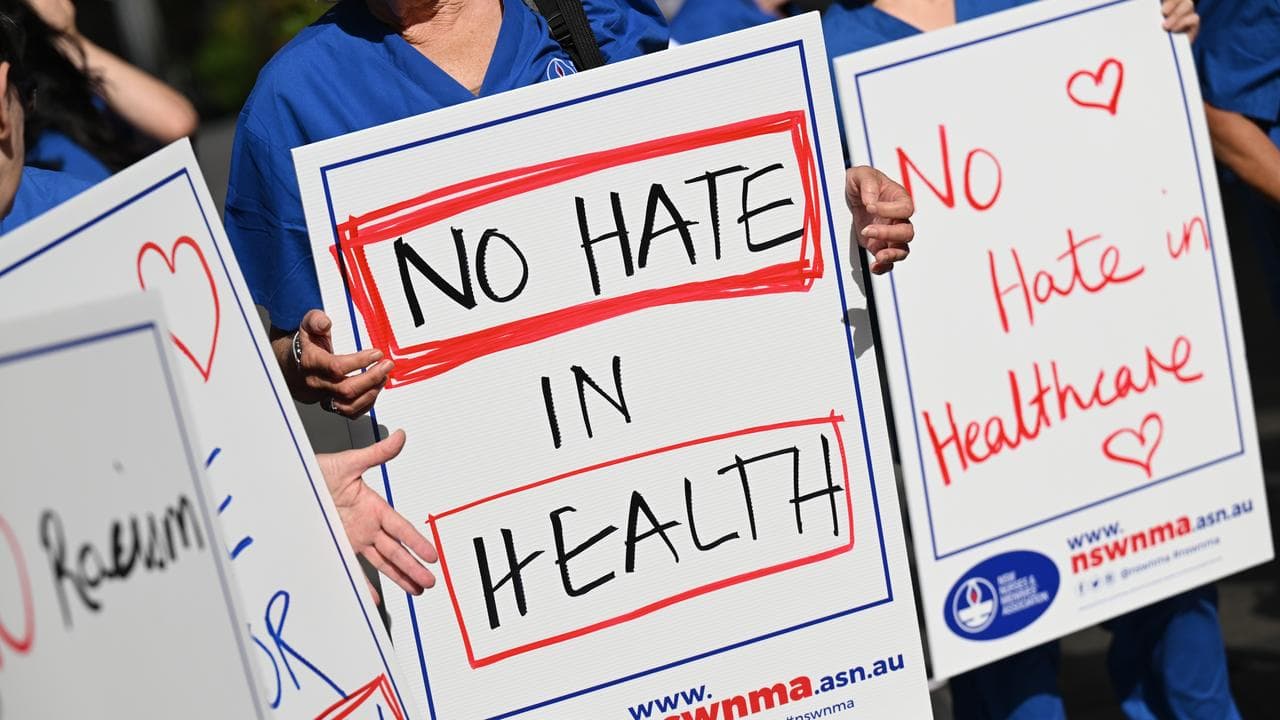
Implementing a definition of anti-Semitism endorsed by a special envoy won't affect political discussions in the workplace, the national health accreditation regulator says.
The watchdog responsible for more than a million registered workers adopted the International Holocaust Remembrance Alliance definition of anti-Semitism in June.
The definition and accompanying examples backed by Australia's Special Envoy to Combat Anti-Semitism Jillian Segal have been criticised by some legal experts for stifling political expression and tying criticism of the State of Israel to Jewish culture.
The Australian Health Practitioner Regulation Agency was initially resistant to implement the alliance's definition because of those concerns, chief executive Justin Untersteiner told a royal commission into anti-Semitism.
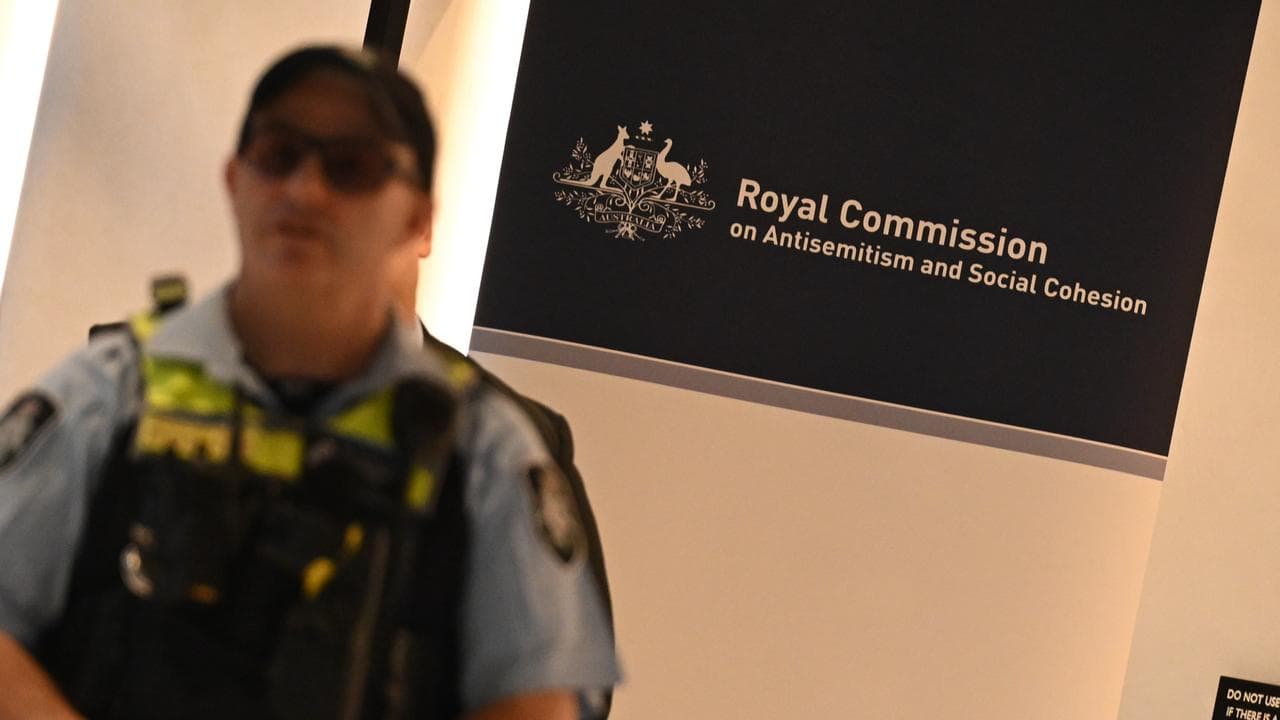
The adoption of the definition was still being worked through and would not hamper discussion of international conflicts, Mr Untersteiner said on Wednesday.
But he said as soon as conduct fell into discrimination or racism the regulator would step in.
A peak body for Jewish medical practitioners has called for a consistent definition of anti-Semitism across the practitioner regulator and the 15 representative boards it works with.
Members of the Australasian Jewish Medical Federation told the inquiry practitioners found in breach of anti-Semitism standards by the regulator may be brushed off by the National Boards.
The federation labelled it a "revolving door" that failed to deal with instances of anti-Semitism.
But Mr Untersteiner said it would be "very unique" for the individual peak bodies to adopt the International Holocaust Remembrance Alliance definition.
"They wouldn't normally adopt a reference tool. That's not how we ... operate," he said.
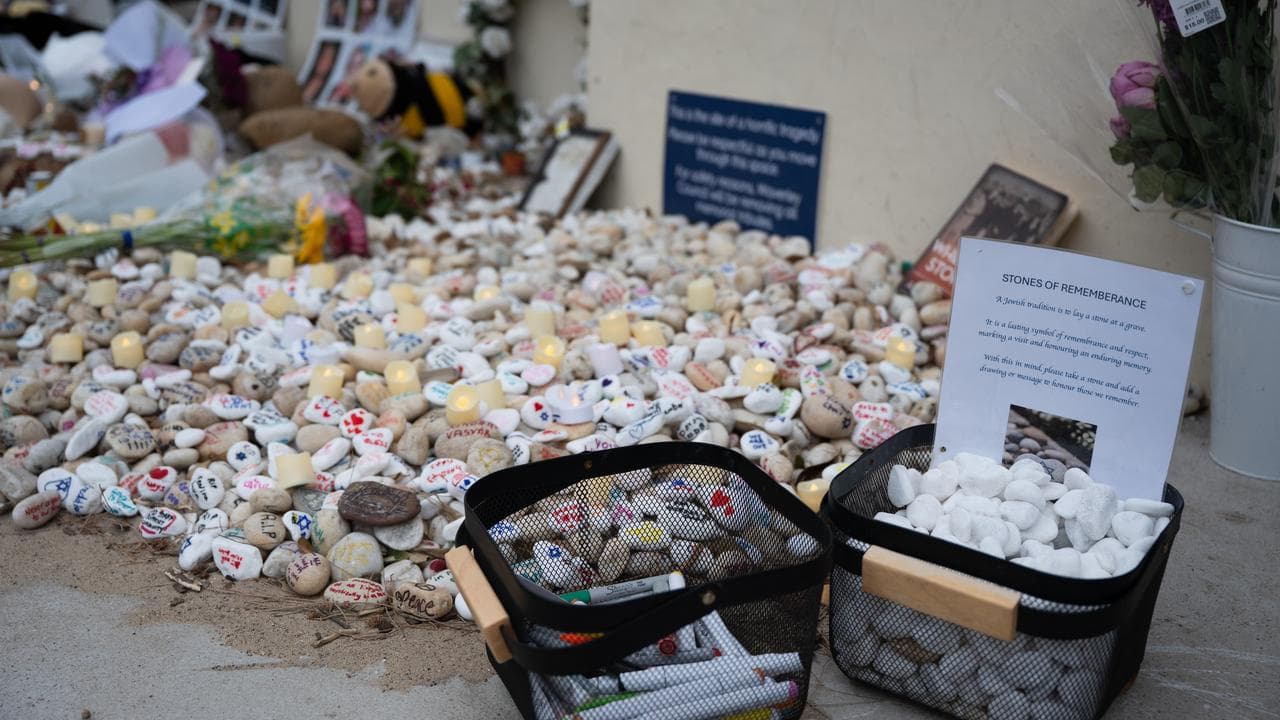
The regulator has received 191 complaints regarding racism and discrimination in the past 12 months.
Of these, 40 were regarding claims of anti-Semitic conduct.
Mr Untersteiner confirmed the regulator would consider investigations into offensive or discriminatory conduct in the social media presence of health practitioners.
It's an issue first raised by senior members of the Australasian Jewish Medical Federation in Wednesday's hearings of the royal commission.
The federation provided the royal commission with examples of multiple incidents in which people felt unsafe or doctors were rejected by patients because of their cultural identity.
Federation president Jack Green said the organisation "hardly ever" received reports of anti-Semitism before the turning point of Hamas' October 7, 2023 attack on Israel.
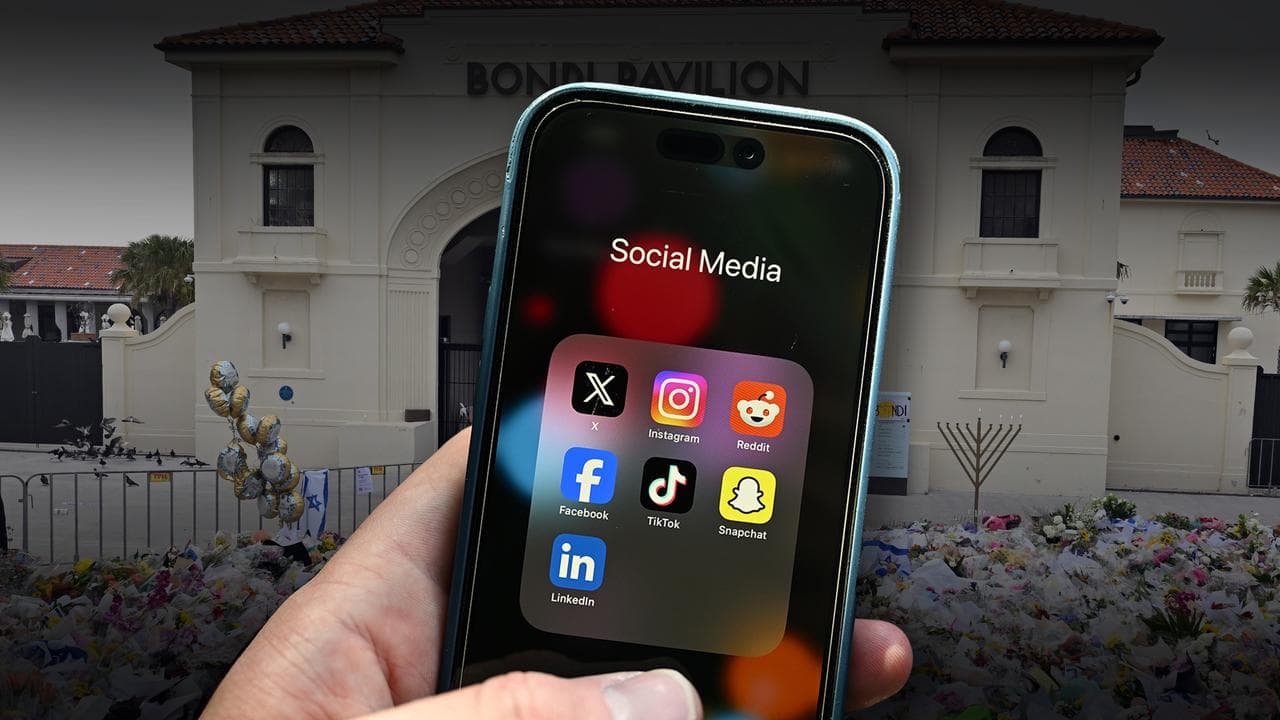
"There was increased politicisation in the health sector, there were a lot of social media postings," Dr Green said of the shift.
Doctors became afraid to display symbols indicating their Jewish identity and, in one instance, an Israeli-Australian patient experienced significant distress seeing "overt political symbols" in a Northern Territory hospital, Dr Green said.
"(It) raised immediate concerns about whether they would receive impartial and equitable care," he said.
"Her concerns were not acknowledged and this left the patient feeling excluded and unsafe in the doctor's care."
Federation member and Victorian gastroenterologist Adam Gordon said the healthcare system must consider the power imbalance at play during interactions with patients.
Some had been left questioning if they would be safe at a given hospital.
"They're under an anaesthetic and they're worried about what's going to happen to them," Dr Gordon said.
The personal social media activity of medical professionals was highlighted as particularly damaging to trust in healthcare.
Dr Gordon said he was not pushing to regulate private belief or prevent legitimate advocacy.
"But there always needs to be consideration with what's being posted and the risk to the patient," he said.


