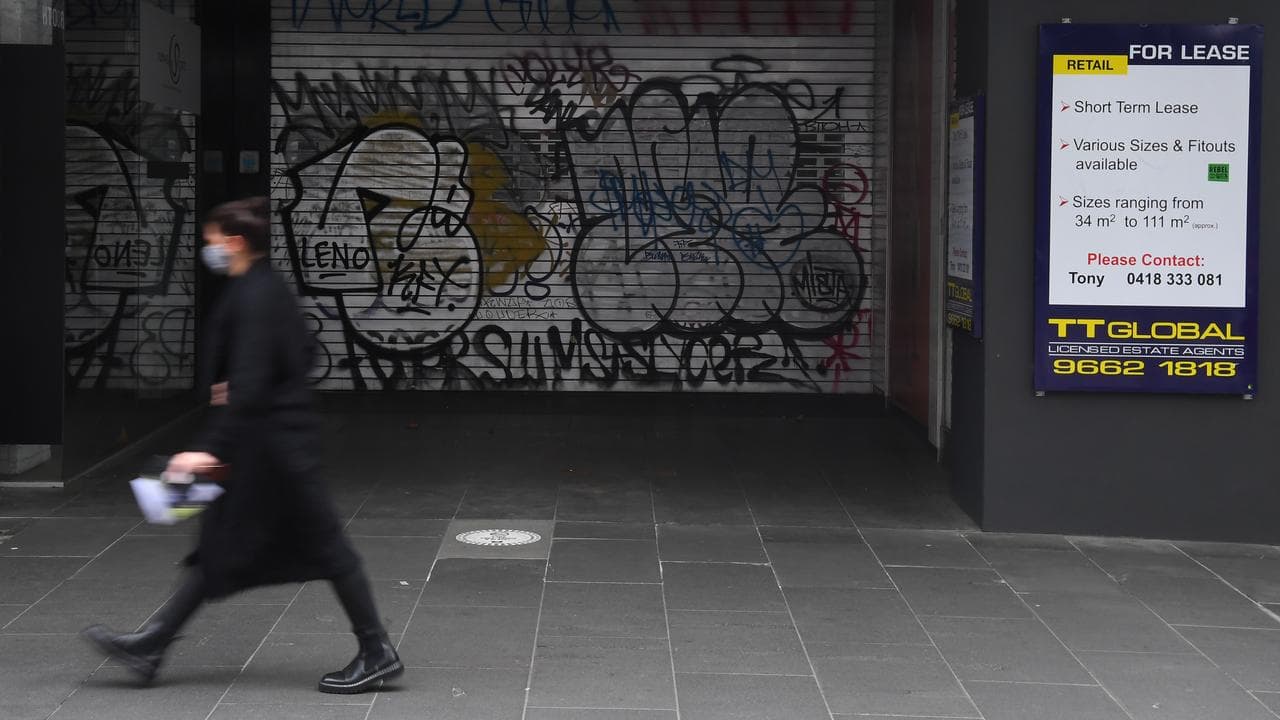
The government is downplaying the risk of a recession after higher unemployment and a string of high-profile mass lay-offs spook some economists.
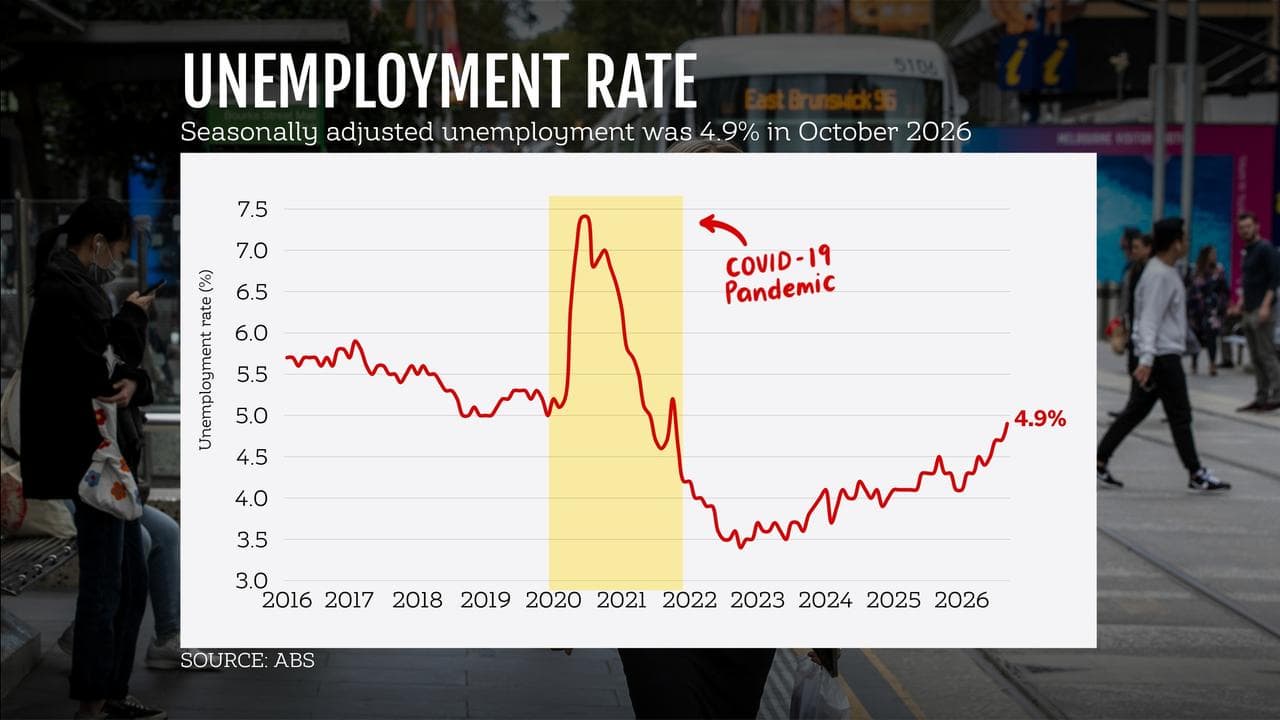
Labour force figures for October revealed a rise in unemployment from 4.7 per cent to 4.9 per cent, defying predictions of the jobless rate remaining stable for the month.
The uptick in unemployment comes before mass job losses at several major businesses - including retailers David Jones and General Pants and big-four bank NAB - makes it way into official data.
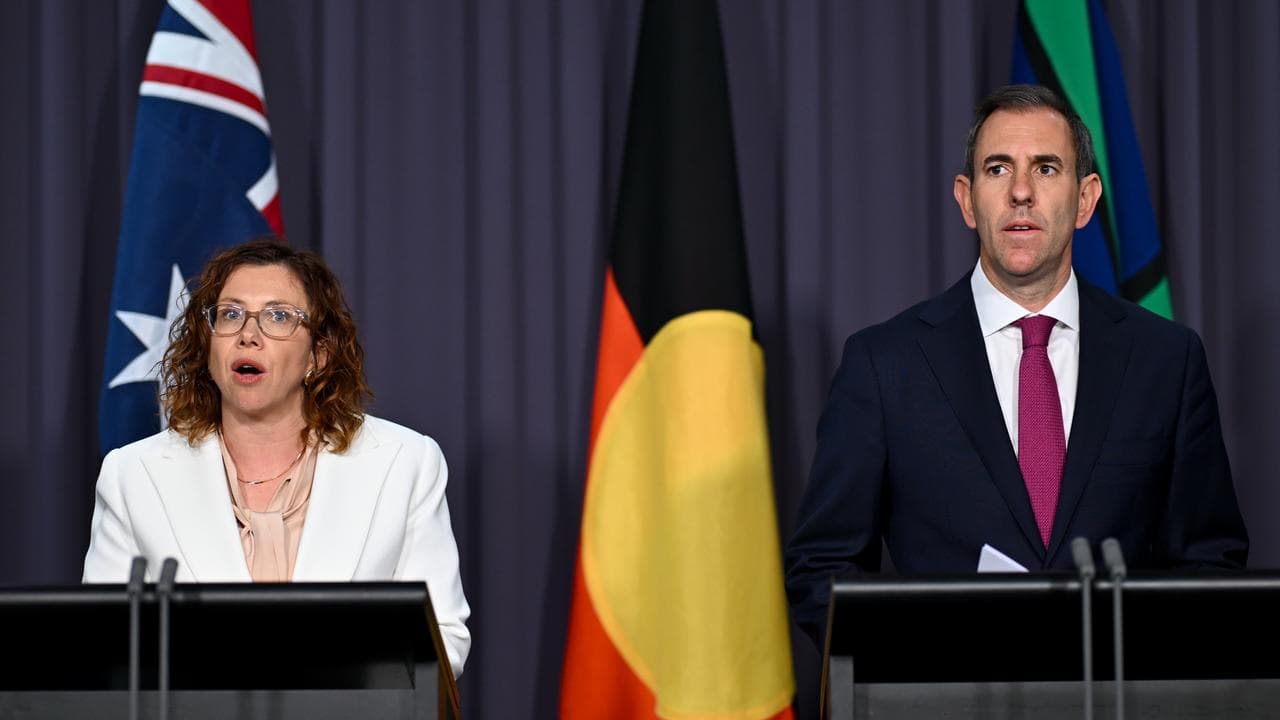
Employment Minister Amanda Rishworth acknowledged the feeling for many Australian households had shifted, but pushed back on suggestions the nation was heading for a recession.
"The RBA and the Treasury are not forecasting a recession, and I don't have any reason to dispute that," she told Nine's Today program.
Fellow cabinet minister Mark Butler said the government won't be looking to make drastic cuts to spending in the upcoming mid-year budget review over fears it could drive up unemployment.
"I don't think any of us are blasé about the very serious risks to the economy," he told Seven's Sunrise program.
The coalition has again levelled criticism at Labor for deflecting blame to the fuel crisis out of the Iranian conflict.
Shadow Treasurer Tim Wilson said unemployment has ticked up quicker than anticipated by the Reserve Bank and accused the government of deliberately driving up inflation.
AMP chief economist Shane Oliver said the October data would be the start of an upward trend in unemployment.
"It's probably a sign of things to come," he told AAP.
"The number of job losses reported ... reflect the slowdown in the economy on the back of rate hikes, cost-of-living pressures, poor confidence and so on."
Dr Oliver said the rise was a sign the Reserve Bank's five interest rate hikes in 2026 had worked their way through the economy.
But the moves to slow inflation had led to higher unemployment, which in turn boosted the chances of a recession.
"I'd say the risk is high. It's around 40 per cent," he said.
"With the five rate hikes in a row, the ongoing high level of fuel prices compared to where they were ... if you're looking for a recession, this is the sort of thing you'd expect to see along the way."
A technical recession is recorded when the economy shrinks for two consecutive quarters.
The Reserve Bank earlier in November revised its unemployment forecast for the jobless rate to reach five per cent by 2028.
Independent economist Saul Eslake said that figure was more likely to be reached early in 2027.
"These numbers, for the time being at least, further downplay the likelihood of another increase in interest rates in December, and arguably also reduce the probability of another rate hike in February," he said.
October inflation data, due to be released on Wednesday, is likely to confirm the next move by the Reserve Bank's board.
Mr Eslake said future unemployment numbers could be a harbinger of a recession.
An economic principle known as the Sahm rule, which has historically been an accurate indicator of a recession, could be triggered in early 2027 if the unemployment rate continued rising at the same rate as over the past six months, he said.
"Talk of the R-word would then become more common and have more basis for it," Mr Eslake said.


