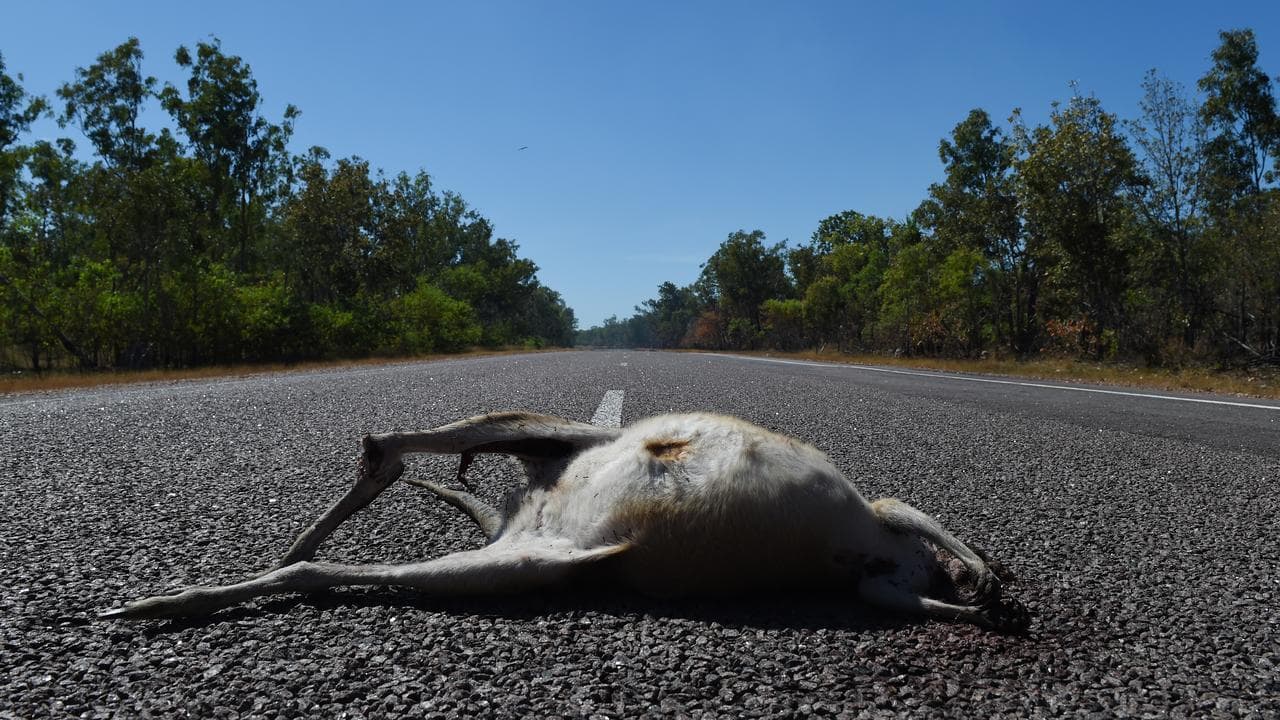
Rural roads are scattered with roadkill in summer, as animals seek water in the searing heat and move around to eat and breed.
This sad sight could have an unexpected upside, allowing scientists to test for disease, track populations and understand more about animals' diets and habitats, a new Australian-led review suggests.
With carcasses of millions of animals killed on roads every year usually left to rot, environmental scientists wanted to know whether they could instead be a valuable resource for research.
A review of more than 300 studies spanning 67 countries found there were many scientific uses for roadkill, including monitoring for disease and pathogens in an ethical way that did not use live animals.
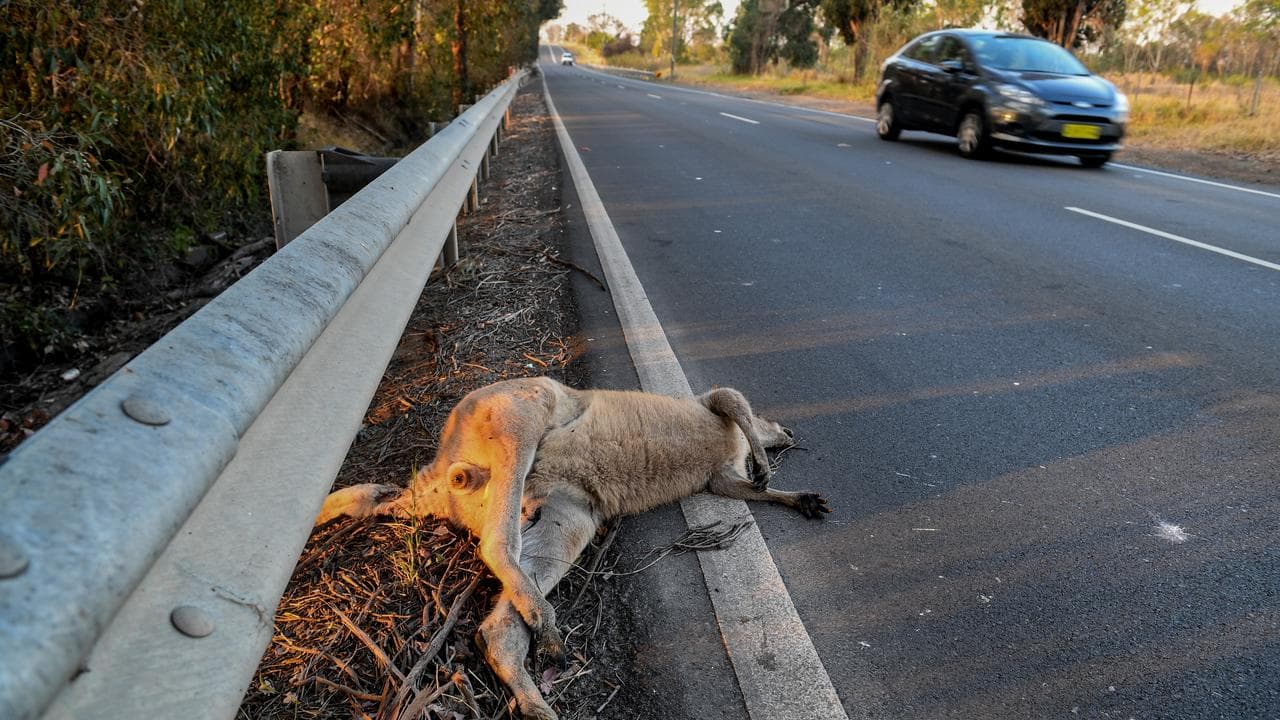
Carcasses could also be used to obtain samples for genetic studies in animal conservation, the review's lead author Christa Beckmann told AAP.
"It's learning without actually having to capture an animal and cause stress to an animal and taking the time required to capture an animal," said Dr Beckmann, a senior lecturer in environmental science at RMIT University.
"It's much easier to get a genetic sample from roadkill."
Some international studies used roadkill to uncover new species or find elusive endangered animals.
Sniffer dogs took the scent from roadkill to track down Africa's critically endangered riverine rabbit in one study.
New lizard and rodent species were first discovered as roadkill, while deer carcasses have been used as bait to attract eagles at the centre of research.
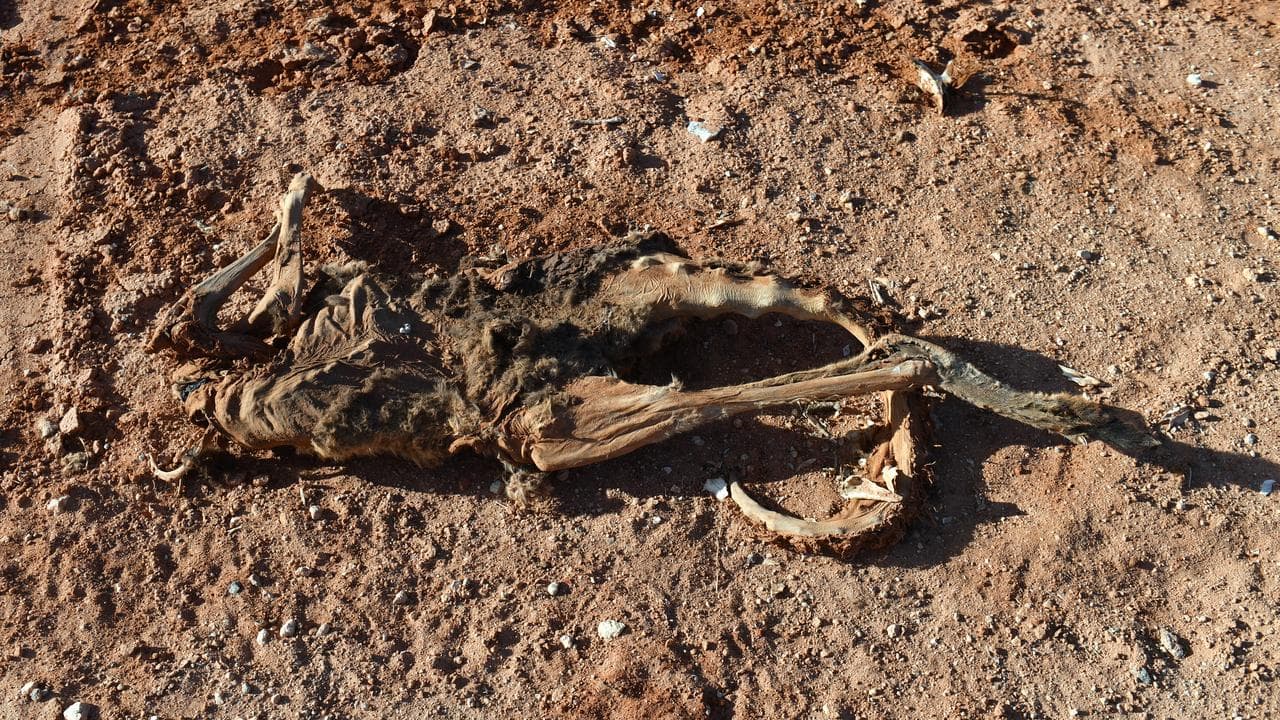
In another study, a paleontologist took photographs of animals' remains as they were repeatedly run over to teach students about the process of fossilisation.
"I hope to raise awareness within the research community that roadkill could provide a source of samples," Dr Beckmann said.
"And to encourage researchers to consider how they could use these unique samples and think outside the box."
Researchers would still require permits to collect dead animals from the road, while also considering potential biohazard and traffic risks, she said.
The review, published in the scientific journal Biology Letters on Wednesday, also highlighted the heavy road toll for animals.
Most studies involving roadkill related to mammals, followed by reptiles, birds, amphibians and invertebrates.
An estimated 10 million native animals are killed on Australian roads each year.
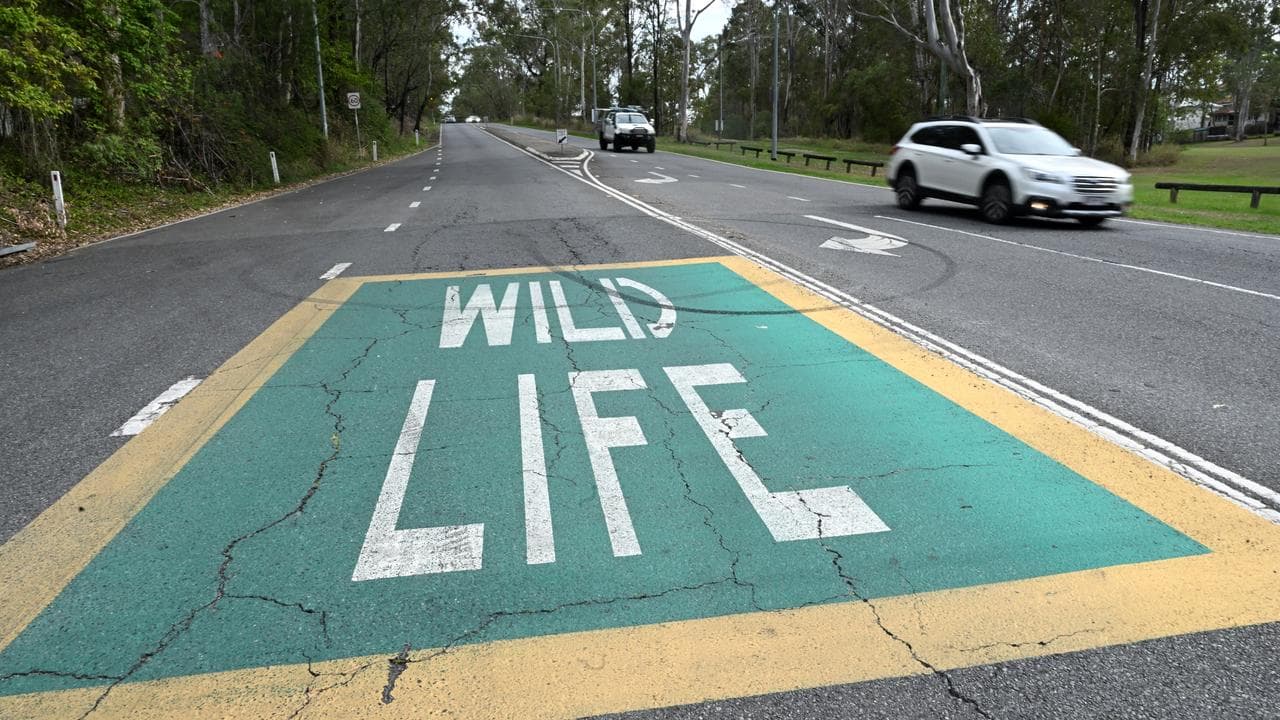
"Drivers could perhaps slow down a little bit and that might help reduce the number of animals that we see dead on the road," Dr Beckmann said.


