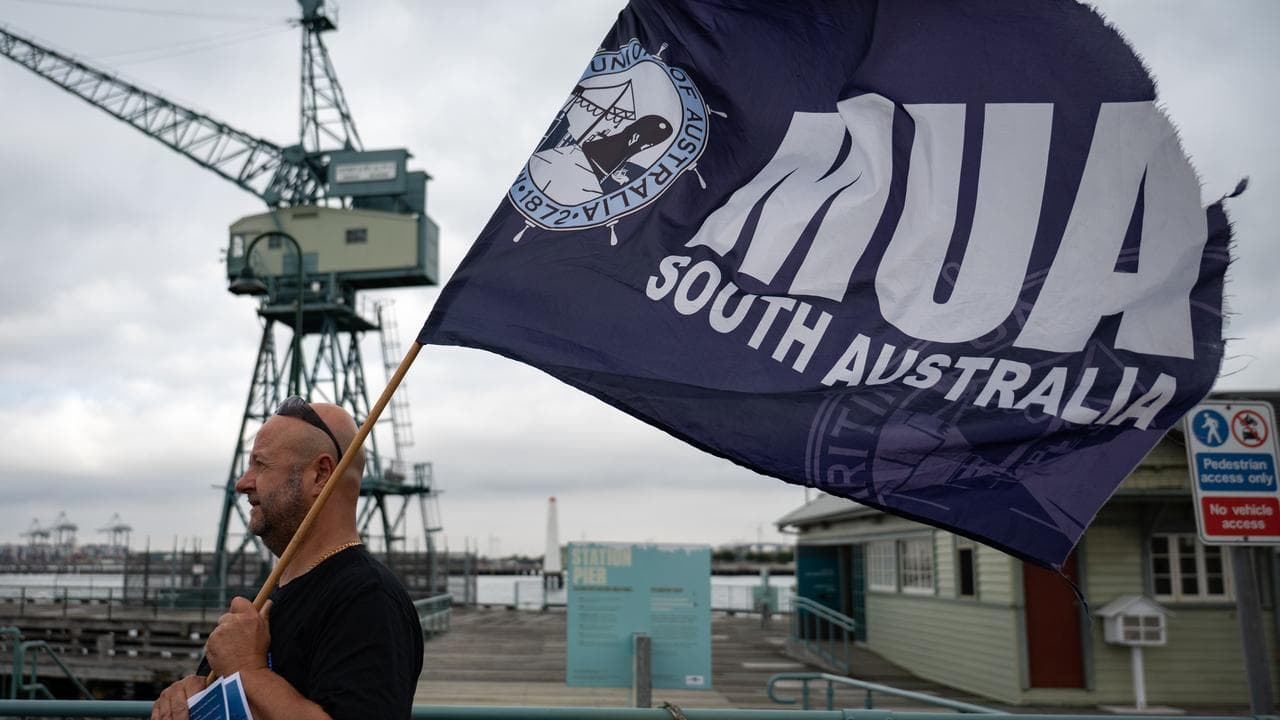
A left-leaning union says it withdrew its support for rebel Labor MP Ed Husic's motion on Palestine at the ALP conference because it would have allowed "pro-Israel" forces to derail the debate.
The Maritime Union of Australia said it made the last-minute decision to stymie the rare chance for debate in an otherwise stage-managed conference because allowing the vote to go ahead would have "pulled back progress even further".
The union had supported Mr Husic's motion acknowledging Israeli genocide and apartheid in Gaza because it aligned the union's policy closer to the party platform.
"However, it became clear that if this motion made it to the conference floor, pro-Israel forces within the ALP would have derailed it and used the ensuing debate to pull progress back even further," the union said in a statement on Monday.
"A decision was therefore made to move ahead with the wording of the consensus position that was ultimately adopted by the ALP Conference."
It has been reported a delegate from the union, which had previously committed to seconding Mr Husic's motion on Saturday, pulled out under pressure from factional heavyweights.
The 2026 edition was notable for its lack of public debate.
The only debate thrashed out in the open at the three-day event was on expanding voluntary assisted dying to telehealth appointments, with all other changes passed unopposed.
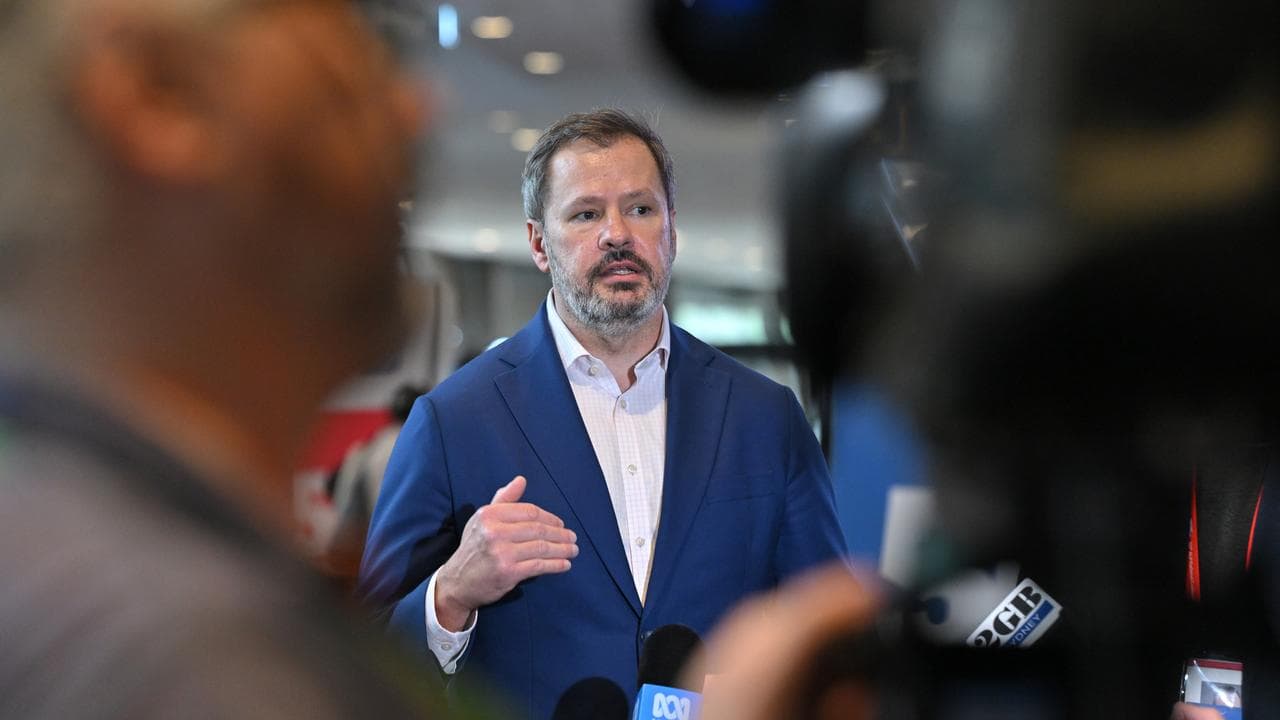
Mr Husic, who was demoted from the frontbench in 2025, said he was disappointed "faceless men" within the party had attacked him for showing dissent.
As a Bosnian Muslim whose people had experienced genocide in the recent past, it was only fair he be able to express his views, Mr Husic told ABC Radio National on Monday.
The policy adopted by Labor delegates noted the party's opposition to Israeli annexation of Palestinian territories and called for illegal settlement activity to end.
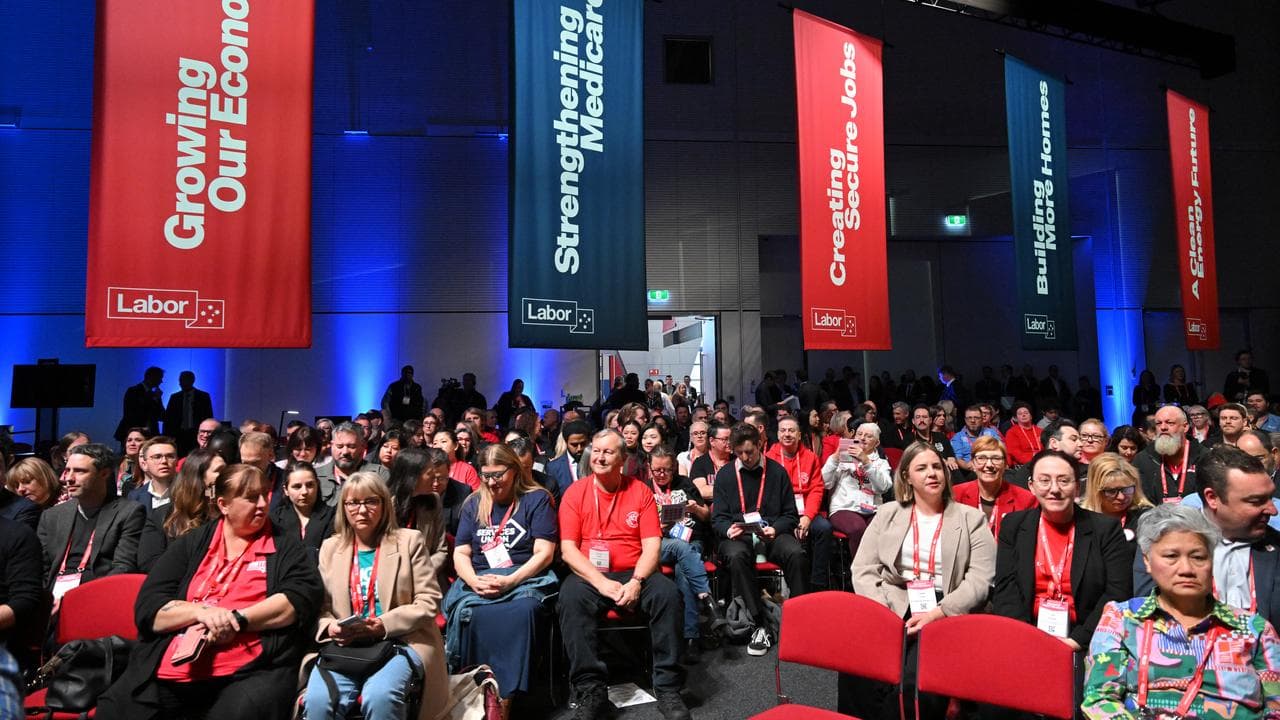
Some Labor insiders believe the party's unity acts as a drawcard for voters compared to the internal chaos of its Liberal, National and One Nation rivals.
But critics, including Mr Husic, argue that by not allowing healthy debate, it could drive members who feel their voice is not being heard out of the party.
"Unity must be based on democratic consent, not bureaucratic diktat," one attendee told AAP.
A separate motion by anti-AUKUS grouping Labor Against War criticising the US-UK military pact was also shut down before it reached the floor.
Former Labor senator Doug Cameron said he understood the view that the party did not want divisive, unnecessary debate.
"(But to bury debate) is wrongheaded, it's counterproductive and I think the party will pay a price in the long term for this," he told AAP.
Former Labor MP Mike Kelly, who served as Australian president of US data and surveillance giant Palantir post-politics, said sections of the Labor movement were fanning "extreme views" on Israel.
The removal from the platform of explicit language requiring Hamas to disarm and have no role in a future Palestinian state was "inexcusable", Mr Kelly said.
"As witnessed in Europe and North America, hard core revolutionary communists aligning with Islamist extremists are trying to infiltrate progressive interest groups, unions and the Labor Party in Australia," he wrote in an op-ed in the Australian.
The Rudd-Gillard era of disunity has likely influenced Labor's approach to prioritise unity over potentially fractious public debate, prominent Labor historian Frank Bongiorno said.
"This is a government and a party that is still very wounded really by its last time in office between 2007 and 2013, when there was a collapse of unity," the University of Canberra academic said.
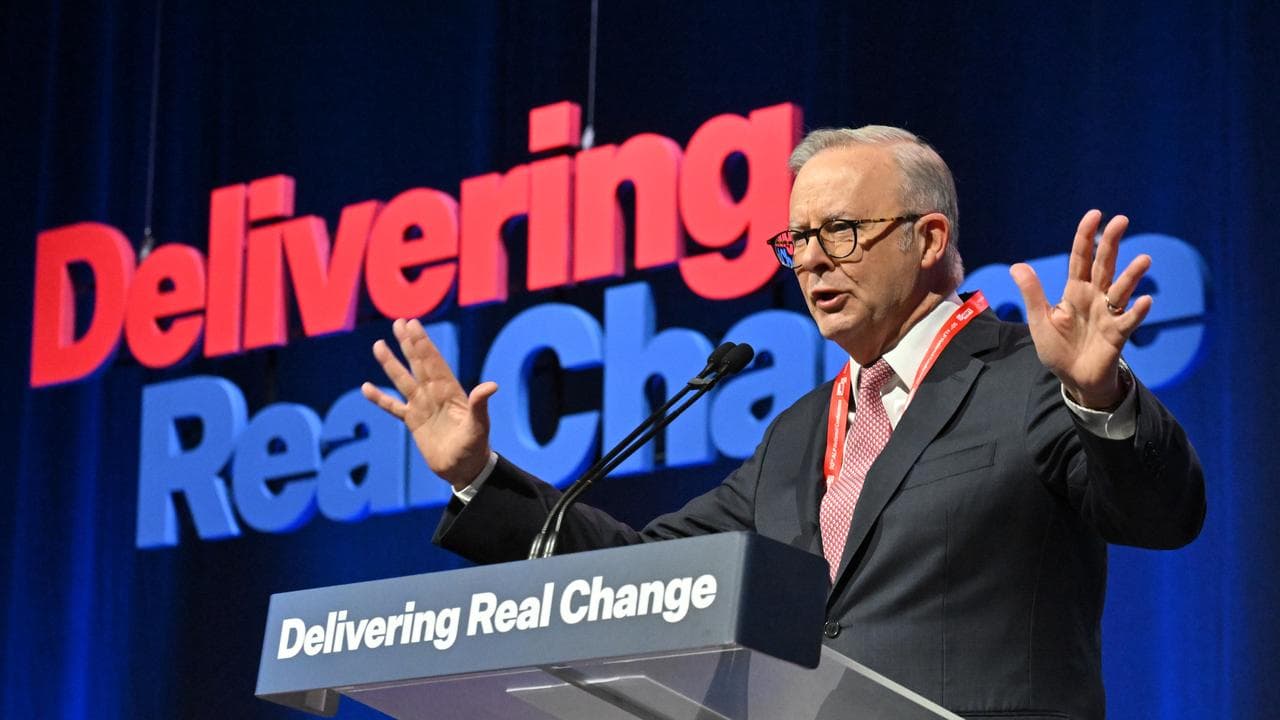
Prime Minister Anthony Albanese, who originates from the party's left faction, on Sunday has defended Labor limiting debate, declaring the meeting the "most transparent political conference in Australia by far".


