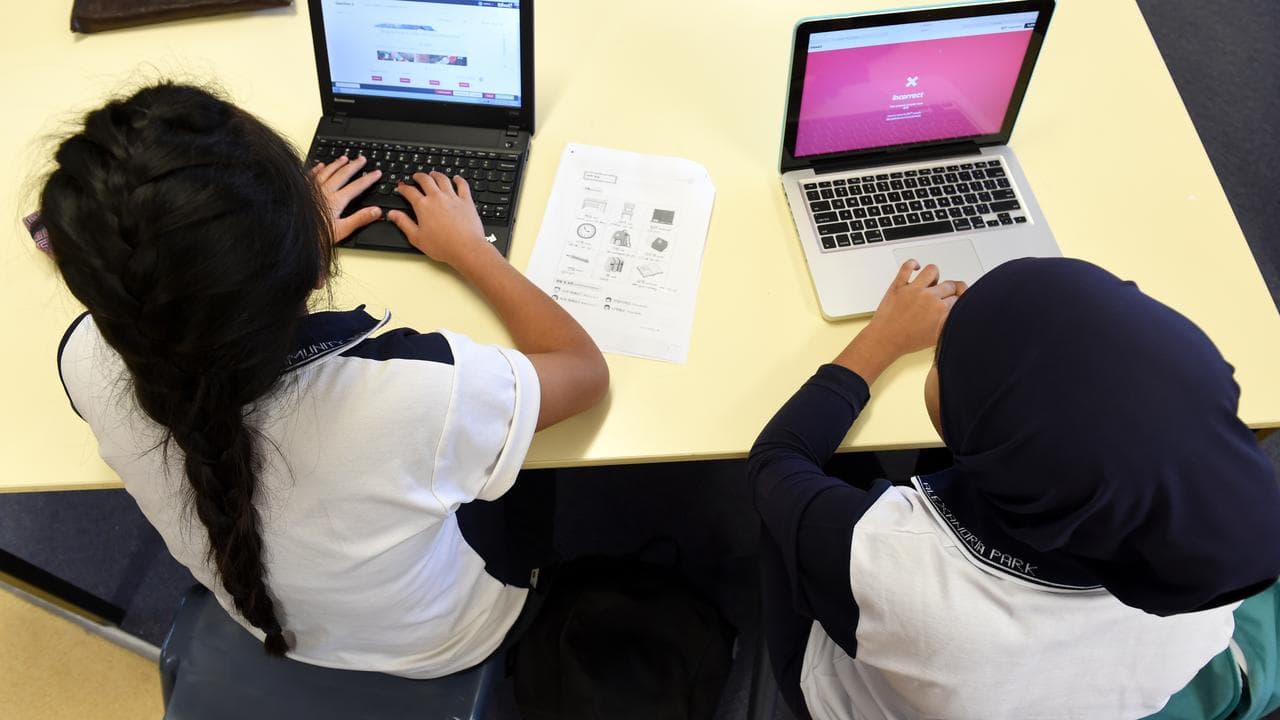
Students will be forced back to pen and paper as a state government moves to cap daily screen time to as little as 15 minutes against a backdrop of falling test scores.
NSW public schools will introduce daily screen-time limits for the start of the 2027 classroom year before the changes become mandatory from 2028 to allow time for teachers to make adjustments.
It follows similar moves from the Victorian government to reduce screen time in the classroom from 2027.
NSW Education Minister Prue Car said government research showed excessive screen use was a problem.
“An entire generation of students are increasingly living in an online world," she said on Sunday.
"We have a responsibility to ensure their health and education isn’t adversely affected by excessive screen use.
“When the research is telling us teenagers are spending as much as seven hours a day on screens and we are seeing reading and writing skills going backwards for a whole generation of children, we have to act.”
Schools are advised to limit screen-based homework, with the use of digital devices not recommended before year 5.
New state guidelines also recommend at least an hour daily of pen-and-paper learning, citing benefits of handwriting and reading print.
The move follows OECD Programme for International Student Assessment exam results showing Australian high school students registering record-low scores in mathematics and reading.
Australian students spend nearly twice as long using digital devices for learning compared to the OECD average.
Recent National Assessment Program Literacy and Numeracy results mirrored the findings.
About a third of students failed to meet basic benchmarks, reading scores dropped across all grades compared to the previous year and only year 5 students showed writing improvement.
Under the NSW policy, daily screen time limits - averaged across a school week - will be set at 15 minutes for kindergarten to year 2, 30 minutes for years 3–4 and 45 minutes for years 5–6.
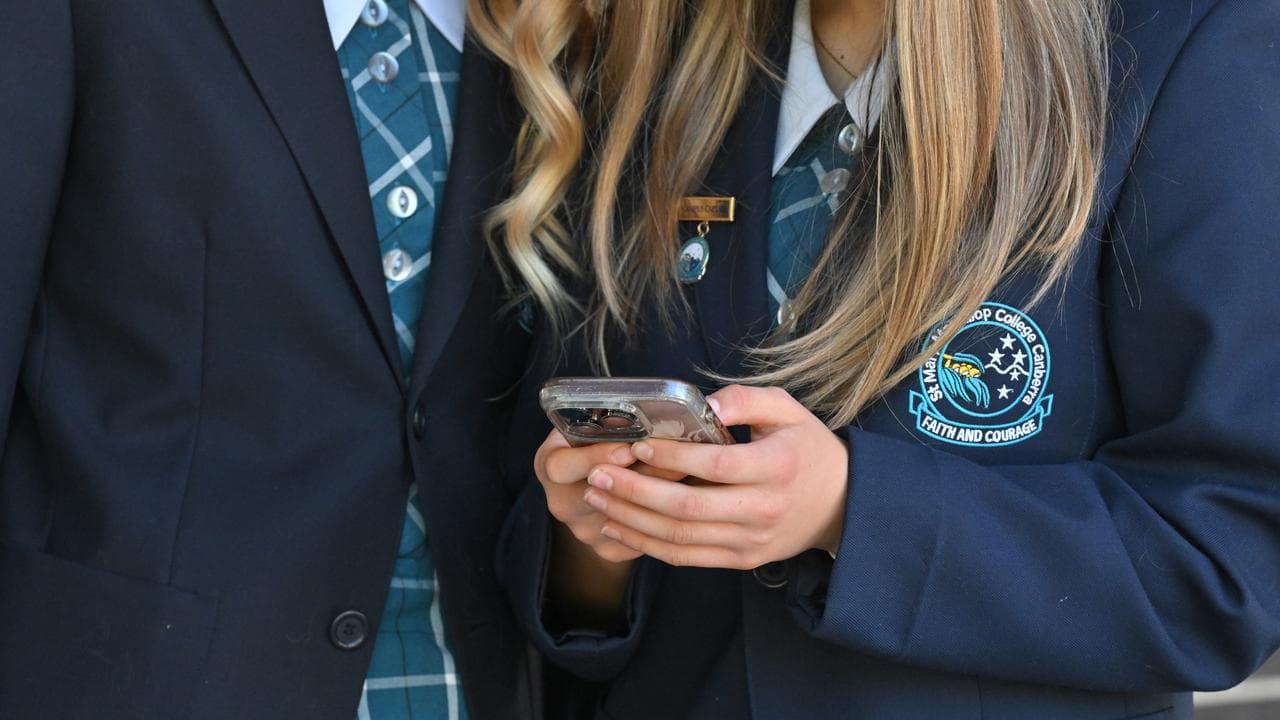
High school students are capped at one-quarter of class time per subject in years 7–10 and up to half in years 11–12.
There will be exemptions and adjustments for students with disability, those with additional needs, or students for whom English is not their first language, or where digital support is part of a personalised learning plan.
NSW Health chief paediatrician Helen Goodwin said it was important to limit screen time for children.
“A healthy day for children and young people includes a mix of being active, getting enough sleep, and building active social connections with their peers and family," she said.
“We know that too much time spent on screens impacts these important daily activities that support healthy growth and development.”


