
When Jane Alty walked into a dementia clinic waiting room, it sparked a brainstorm now revolutionising risk detection of the debilitating disease decades before symptoms emerge.
The UK-born neurologist, who specialises in movement analysis of conditions like Parkinson’s Disease, was recruited by the University of Tasmania in 2019.
Professor Alty started working in a dementia clinic when she arrived in Hobart and it was in that waiting room she immediately noticed patients who “looked like they had Parkinson's”.
“I was thinking, ‘But they don't have Parkinson's, they've got dementia,'" she recalls.
"Then the penny dropped and I thought, ‘but what if there are more similarities here?’
“What if dementia actually begins with a change in movement?”
It was a controversial theory because dementia is related to memory, thinking and cognition “and what I was saying is that might actually be the last stage,” Prof Alty says.
“It might be that right at the beginning, movement is what's changing before any typical memory symptoms.
"If that’s the case, we can measure movement because we've got these computer vision algorithms that just require a smartphone or a digital camera.”
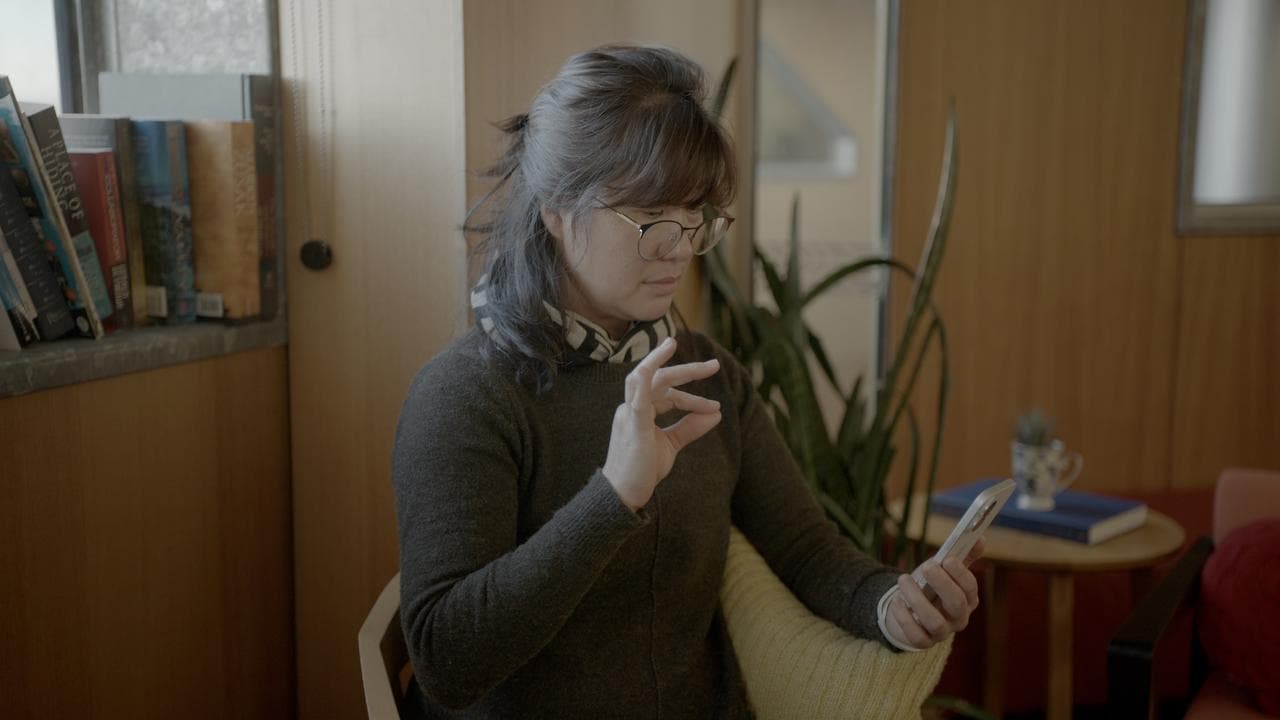
She believed the same simple test used to detect Parkinson's, in which a person simply taps their finger and thumb together, could also be used to detect dementia risk.
And she was right
Yet Prof Alty’s moment of extraordinary insight was just the first step in years of work towards creating a simple dementia screening test.
The idea gained momentum through collaboration across disciplines.
Physiotherapist Associate Professor Kate Lawler and dementia researcher Professor James Vickers helped transform an observation into an innovation.
“I'm not a computer scientist, I didn’t have the technical know-how to actually translate that into a test,” Prof Alty explains.
She went looking for an expert and found computer scientist Quan Bai, who was also working at UTAS.
“I phoned up Quan one day - I'd never met him before, I just looked him up on the internet - and I said, ‘Do you know much about computer vision because I've got this research idea,'” she says.
They arranged a meeting where each brought a colleague and began brainstorming and getting a feel for whether they wanted to work together.
While Associate Professor Bai had no medical background, his expertise in artificial intelligence was exactly the skillset Prof Alty needed.
“I always wanted to use AI for something which is actually useful for society,” he says.
“But we had no resources, no funding, no anything, so we started it as a PhD student project.”
Students flocked to the fold, with many later saying they became involved because they had family members with dementia.
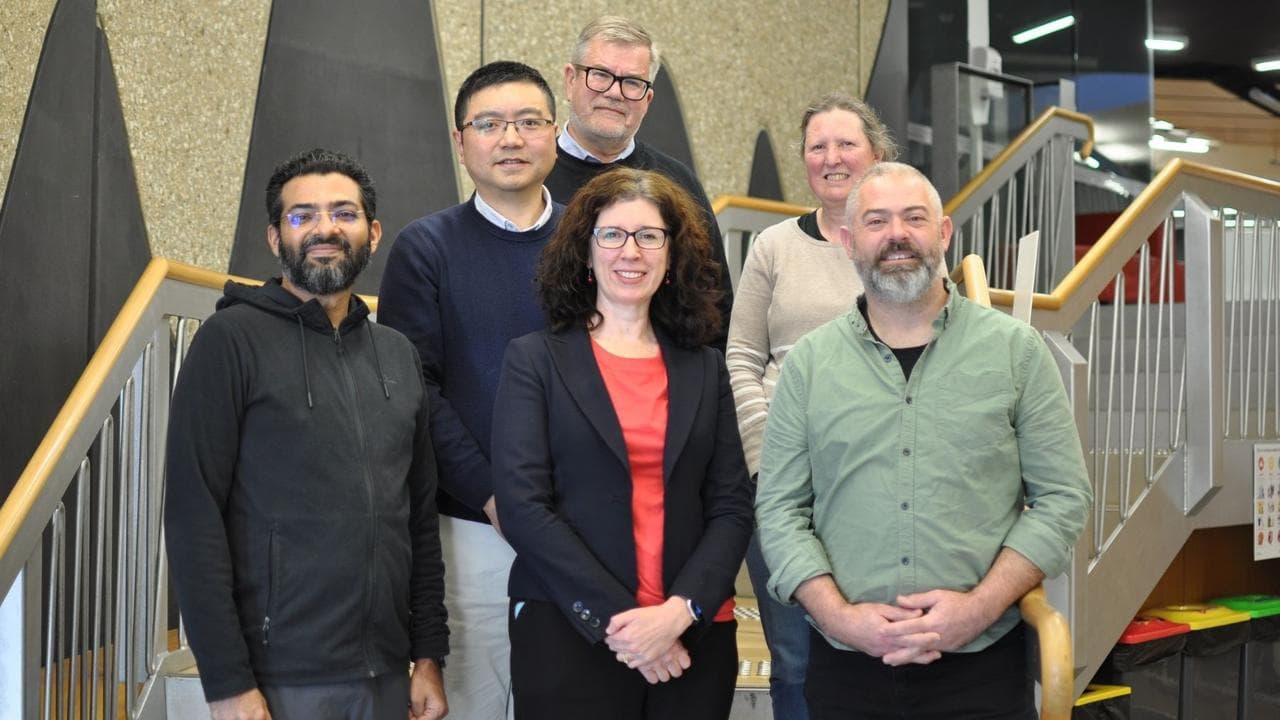
The team created a prototype web application and used it to start collecting and analysing data “and surprisingly, we got some brilliant results”, Prof Quan says.
“That’s how we started the journey ... and then started to get funding and recruiting more professionals to help us improve the system and algorithm.”
That was the beginning of seven years of pilot testing, user feedback and large-scale data collection conducted by a multidisciplinary team spanning health, dementia research and artificial intelligence.
As a former UK National Health Service doctor, Prof Alty says she knew “time is precious, money is precious”.
“We had to make this really quick test that was really easy to do and I didn't want to have wearable sensors or high-tech equipment,” she says.
“I wanted a tool that people have in their pockets or at home.”
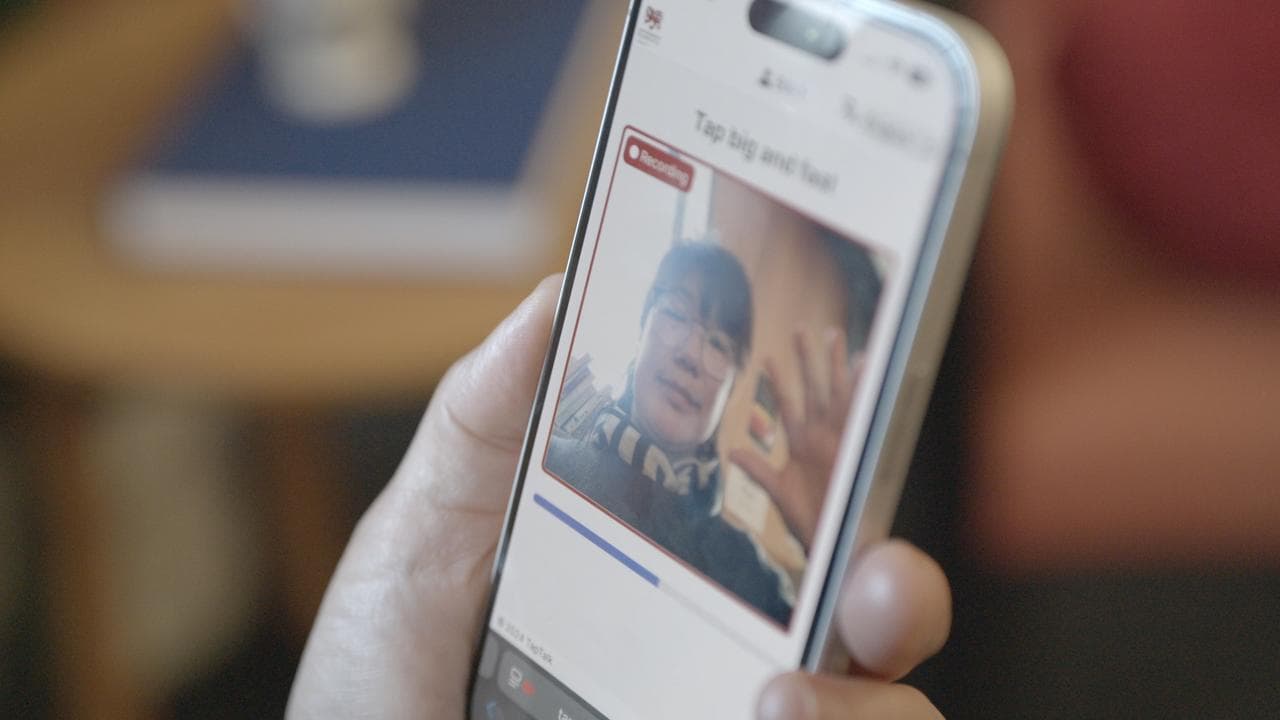
The result is TAS Test, an AI-empowered remote digital platform that picks up changes in hand movements to indicate increased risk of dementia that could occur up to two decades later.
The two-minute test, which could be publicly available as soon as 2027, can be taken at home via a smartphone or laptop.
And the implications of a quick, simple and accurate analysis, eclipses traditional clinical testing which is often costly, difficult to scale and limited by the need for in-person visits.
Since 2019, TAS Test has collected data from more than 6000 participants aged 40–92, across Australia, New Zealand and Europe.
“We know 45 per cent of dementia cases are preventable through lifestyle and medical risk factors,” Prof Alty says.
“Ideally, we want to be able to detect dementia risk in midlife so those people with higher risk can make those changes sooner, the same way we do cancer screening.”
The team’s next step is to roll it out in more countries and it’s “looking very hopeful that we've got some commercialisation funding,” Prof Alty says.
“We’re very good at measuring and knowing as researchers what that risk is; I think we need to design something that gives that information back to the user, to clinicians, to members of the public ,” she says.
“Then we need the regulatory approvals to take this tool to the US, to the European markets.
The beauty of focusing on hand movements is "not only that we can detect changes very early in the dementia continuum but also that movement crosses language barriers, it crosses cultural barriers, whereas a lot of traditional dementia tests need translation and adjusting", she says.
“We hope that because it's so universal, just to tap your finger against your thumb, that that will speed it through.
"So we would love to go global.”
Prof Alty and her team are finalists in the Excellence in Interdisciplinary Scientific Research category at the 2026 Australian Museum Eureka Prize, to be announced on September 3.


