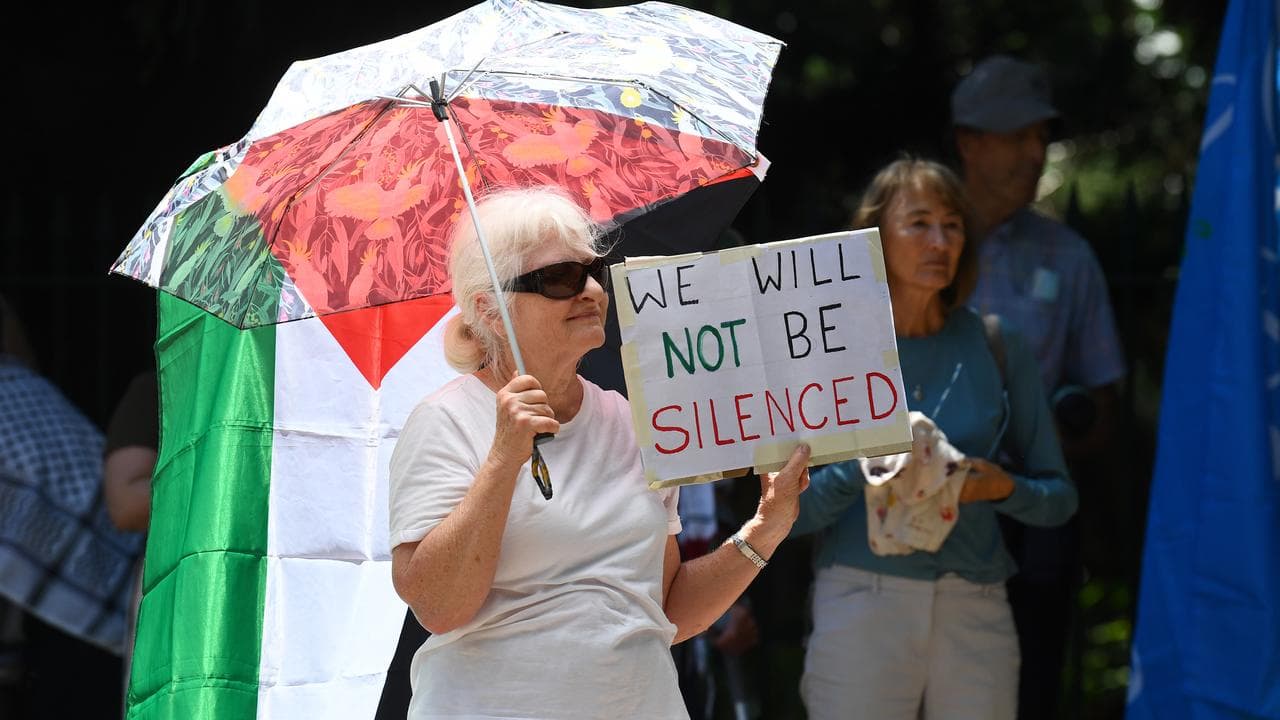
A state has leapt to defend its neighbour's decision to outlaw protest slogans - but activists say the move plays right into their hands.
Queensland deemed "globalise the intifada" and "from the river to the sea" anti-Semitic and outlawed them in March, when they are used to menace or offend.
NSW has now given notice to intervene and join Queensland’s defence as the bans are tested in the High Court.
The southern neighbour's government previously indicated a desire to enact similar legislation.
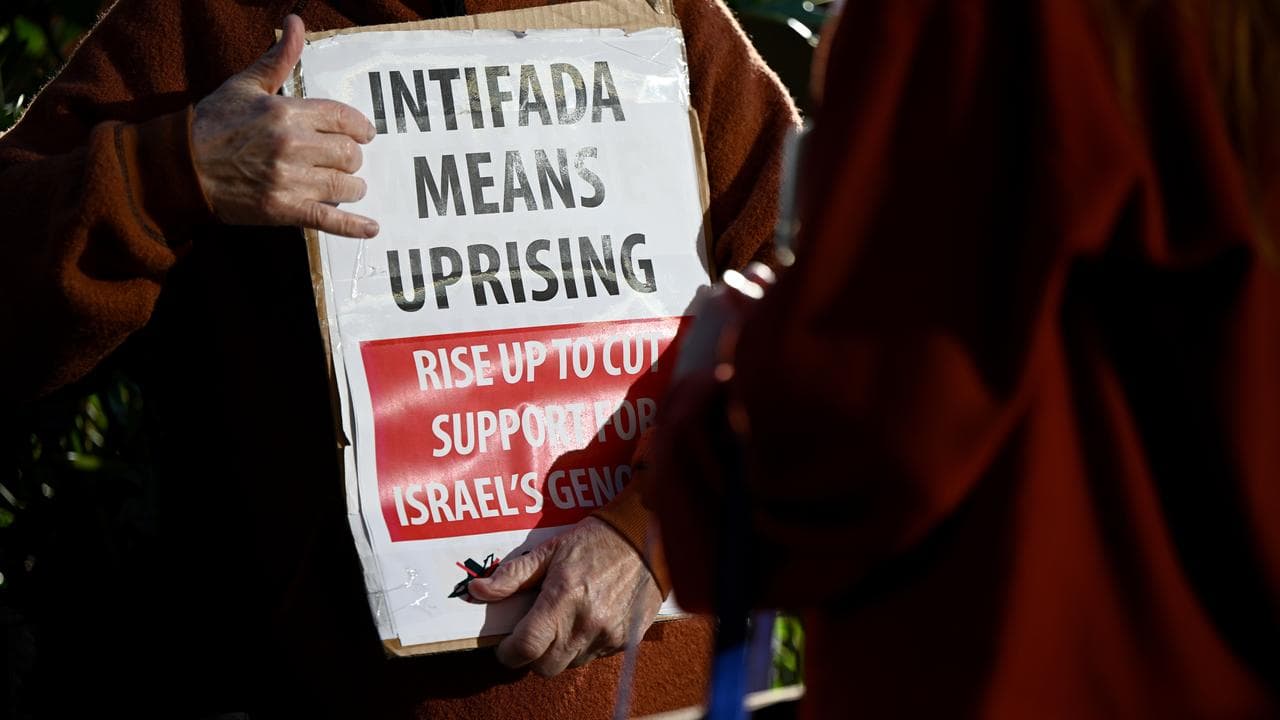
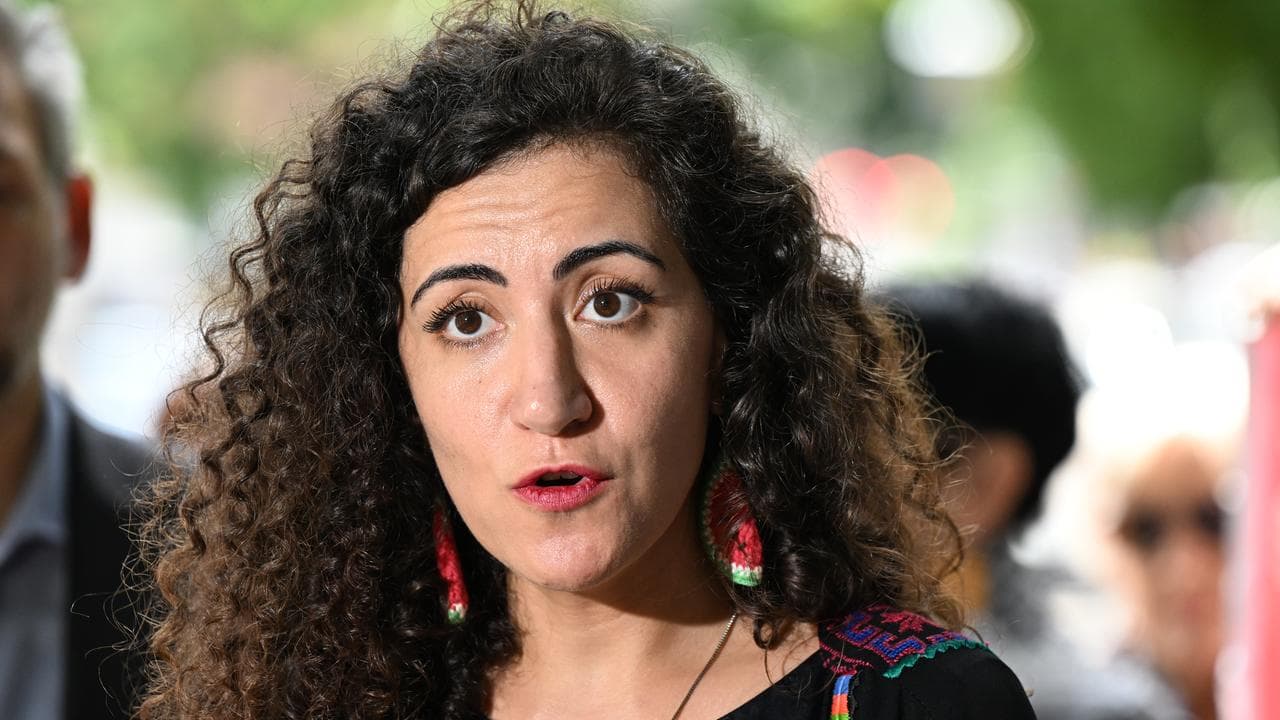
Lead plaintiff Remah Naji on Thursday said NSW's entry to the case was, in fact, welcome.
“They're playing directly into our hands. This intervention was expected," the Justice for Palestine Magan-Djin spokeswoman said.
"We will use it to transform this from a Queensland case into a national struggle, one in which all people of conscience have a stake."
NSW Attorney-General's department declined to comment on the ongoing matter.
More than 30 people have been charged since Queensland's laws took effect including four plaintiffs in the High Court challenge.
Three other plaintiffs, including Ms Naji claim to have been otherwise gagged by the laws.
The group suggest the laws conflict with any implied right to free political communication, court documents show.
Neither phrase has a fixed meaning, is inherently anti-Semitic, nor inherently a call to violence, the plaintiffs state.
Queensland is yet to outline its case but, in a filing in late September, says the court should send the charges down to the Magistrates Court and dismiss the rest of the case.
Its government has publicly defended the laws.
Deputy Premier Jarrod Bleijie said they pushed back against “venomous, poisonous rhetoric”.

Some Jewish groups supported the crackdown, saying the chants fuelled fear and anxiety in the community.
NSW Premier Chris Minns previously said his intentions to enforce a similar ban would hinge on the High Court result.
In April, he told Sydney radio 2GB he did not want to move legislation that could be knocked back.
The comments marked a draw-back from his previous vow to ban slogans "soon" and irrespective of the challenge.
They came shortly after NSW's highest court struck out Mr Minns's laws restricting protests following the Bondi terror attack in December.
The rushed legislation gave expanded powers to restrict assemblies in large parts of the city for fortnights at a time.
However, the Court of Appeal invalidated the laws, ruling “social cohesion” was not a legitimate constitutional purpose for laws impinging upon freedom of political communication.


