
Sellers are being scared away from listing their homes for auction as buyers gain the upper hand in Australia's falling housing market.
More than three in five properties initially listed for auction across the capital cities ended up being converted to a private treaty in July, real estate listings platform Domain found.
The share of listings converted to private treaty has spiked at the same time as house prices have cratered after a series of interest rates rises and contentious tax changes in the federal budget.
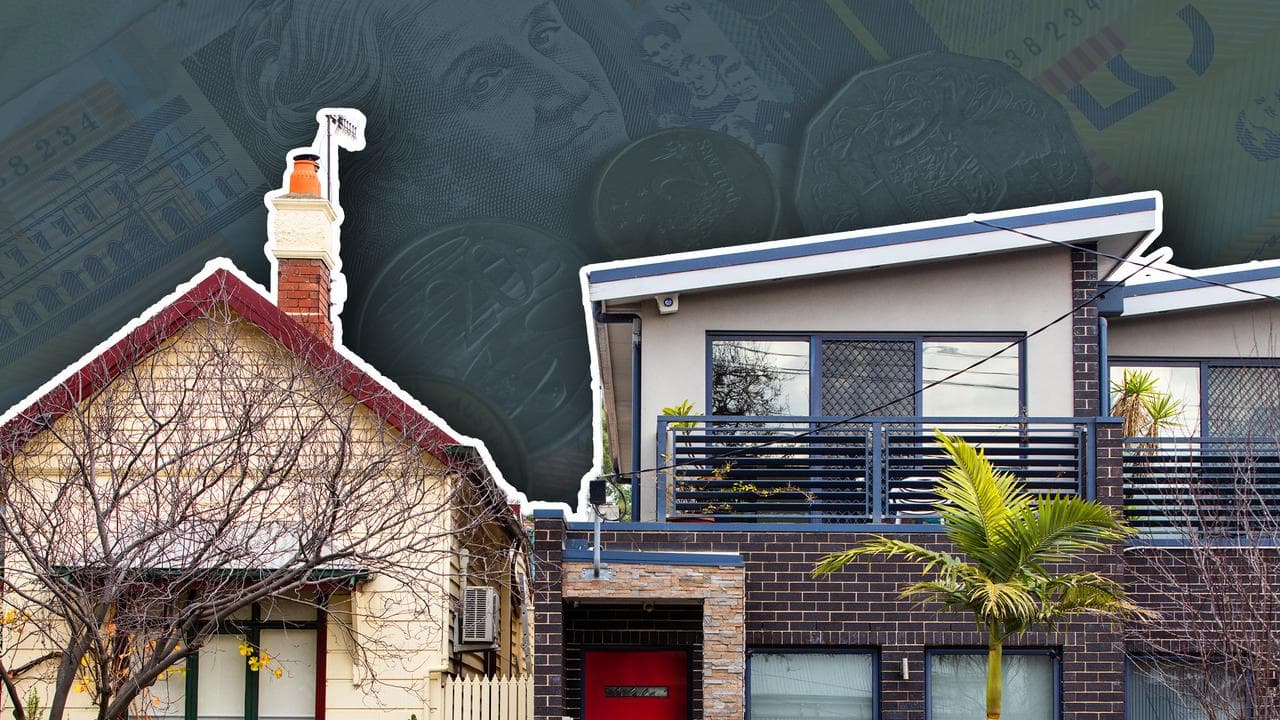
Since February, the share of auction-launched listings in Sydney that later converted to private treaty jumped from 24.9 per cent to 56.3 per cent.
In Melbourne, the share climbed from 29.3 per cent to 58.1 per cent, while in Brisbane it increased from 36.6 per cent to 67.6 per cent.
The rate of conversion to private treaty was the highest since the 2022/23 housing downturn, Domain chief economist Nicola Powell said.
"When you compare what the market was in February to what those numbers are now, it has been a stark change," she told AAP.
"That really reflects the significant shift in softer buyer demand that we've seen over that period of time."

Auctions worked best for sellers when there was a high level of competition among buyers generating aggressive bidding, Dr Powell said.
"In a slower market, sellers probably see greater certainty through that negotiation process of a private treaty, rather than a public auction campaign," she said.
"If you go through the auction process and your auction is passed in, and then it sits on the market, that can often have a detrimental impact to buyer perception as well."
Preliminary auction clearance rates for the combined capital cities remained relatively low at 52.7 per cent in the first weekend of spring, down from 70 per cent the same time a year earlier, according to Cotality.
David McMahon, Ray White's head of auctions for NSW and ACT, said those figures had hit the confidence of inexperienced agents, who were likely pushing sellers to move to private treaty.
But auctions were still the best way for sellers to get strong results, regardless of market conditions, he said.
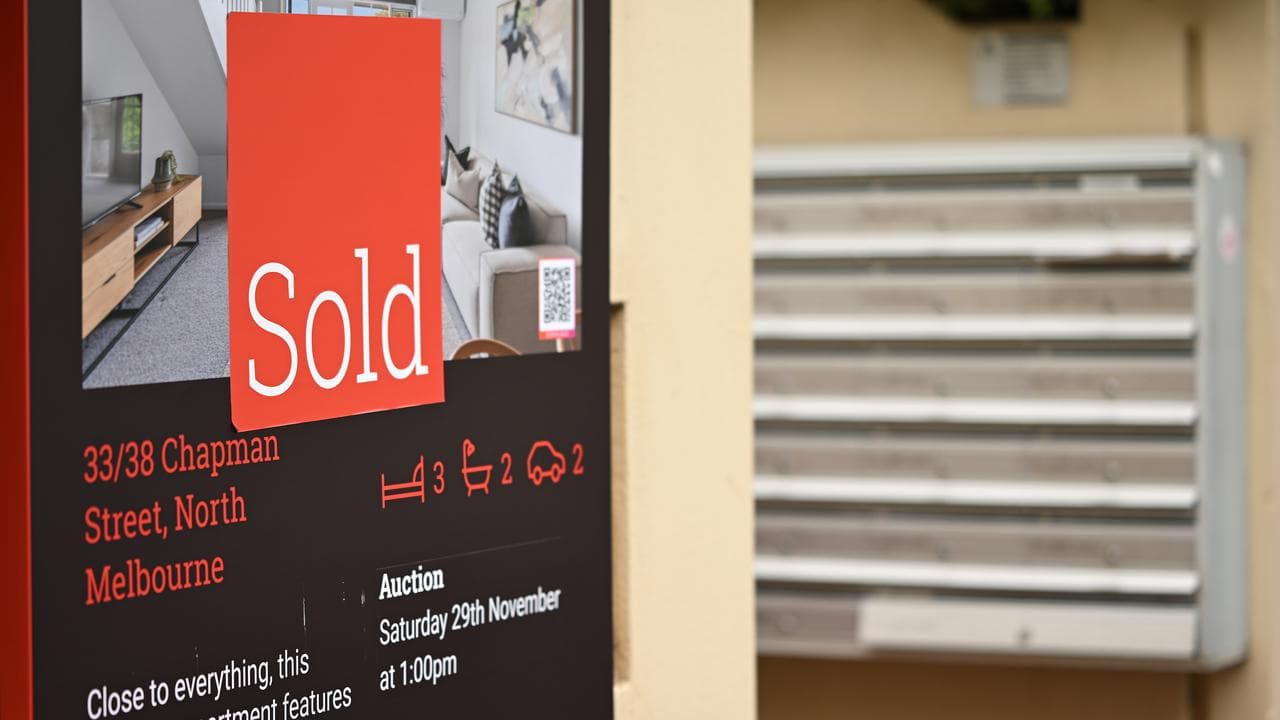
When comparing auctions and private treaties over a full 45-day campaign, auctions still had the upper hand with a 55 to 60 per cent clearance rate, compared to private treaties in the mid-30s, Ray White data showed.
"So, clearance rates for auctions are still stronger when you compare the two-side-by side," Mr McMahon said.
The largest increases in vendors switching to private treaties have been in premium markets, including Sydney's eastern suburbs, where auctions tend to dominate.
Higher-value homes have also led the fall in prices, with house values in the upper quartile down 10.7 per cent from their peak in Sydney and 10.5 per cent in Melbourne, Cotality said.
Lower-quartile houses have been more resilient, down four per cent in Melbourne and less than six per cent in Sydney.


