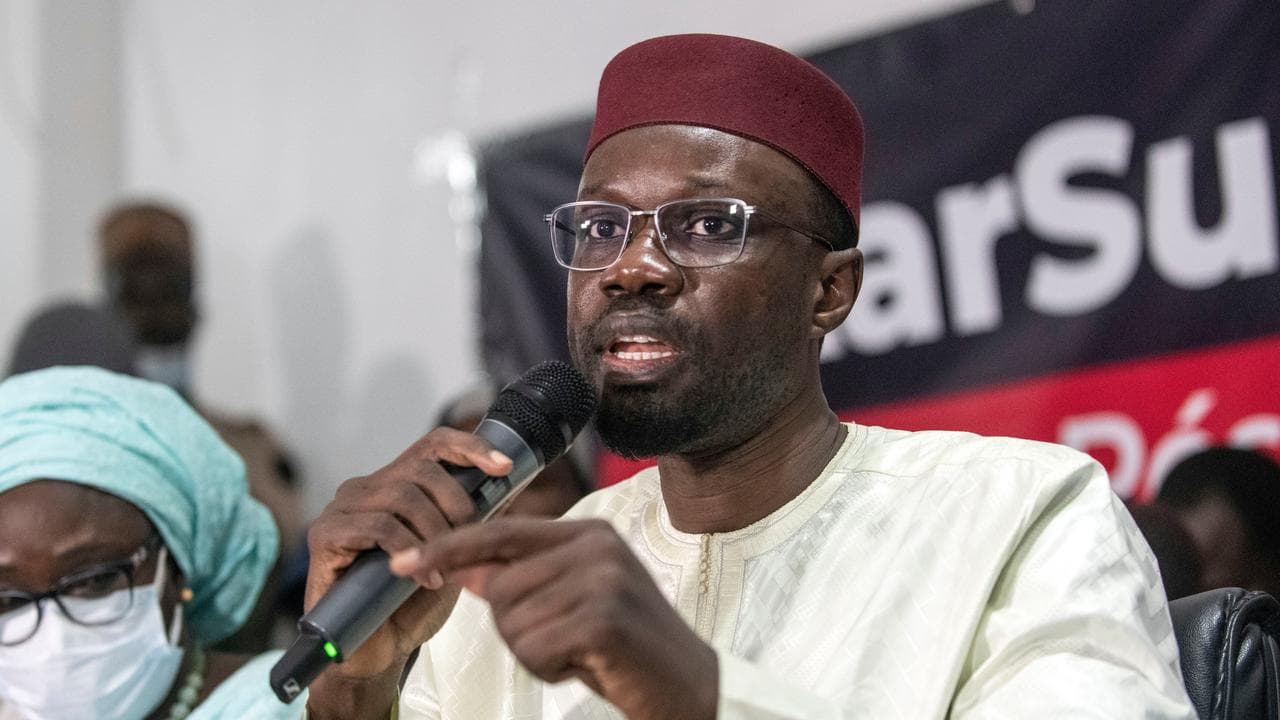
Senegal President Bassirou Diomaye Faye has dismissed Prime Minister Ousmane Sonko and dissolved the government, a move that risks deepening uncertainty in a nation already grappling with a debt crisis and drawn-out talks with the International Monetary Fund.
A statement read on state media said all ministers were dismissed, with the outgoing government tasked with handling day-to-day affairs, according to Oumar Samba Ba, secretary-general of the presidency.
The move announced late on Friday night, local time, follows months of mounting strains between the two allies-turned-rivals.
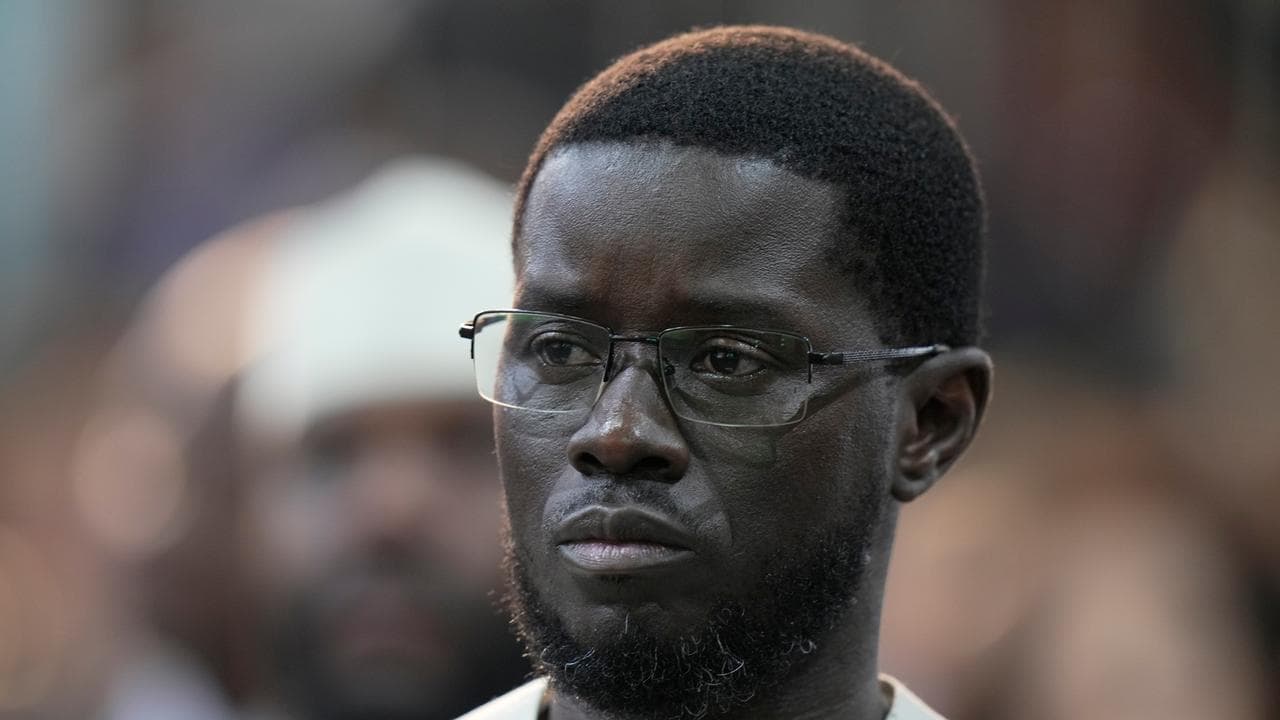
Sonko, a charismatic figure with a large youth following, had backed Faye in the 2024 election after being barred from running himself due to a defamation conviction.
"Tonight I will sleep with a light heart in the Keur Gorgui neighbourhood," Sonko posted on social media after the news was announced, referring to his private residence.
The split comes as Senegal faces mounting economic pressure. The International Monetary Fund froze its $US1.8 billion ($A2.5 billion) lending program with Senegal following the discovery of misreported debt, pushing the country's end-2024 debt level to 132 per cent of its economic output.
Faye’s move raises the risk of further delays in reaching a new agreement with the IMF, seen as key to reviving the economy.
Earlier on Friday, before Sonko’s dismissal, Finance Minister Cheikh Diba told parliament Senegal expects to resume talks with the IMF in the week of June 8 and hopes to reach agreement on key points by June 30.
Diba also warned the country’s fuel subsidy bill could exceed its 2026 budget allocation by as much as 1.15 trillion CFA francs ($A2.8 billion) if oil prices rise to $US115 per barrel, adding that Sonko had rejected his request to raise fuel prices.
Sonko had opposed any restructuring of the debt, estimated at $US13 billion ($A18 billion), which he said the IMF was advocating, while Faye has been less vocal on the issue.
Sonko was a popular opposition leader under the previous administration of President Macky Sall, whose decision to delay the 2024 election spurred unrest.
Both Faye and Sonko are former tax officials who were jailed ahead of the 2024 election. They were released 10 days before the rescheduled contest, which Faye went on to win with 54 per cent of the vote.
Faye then appointed Sonko as prime minister.
In March, he said he would be willing to take his Pastef party out of the government and return to opposition if Faye departed from the party's agenda, fuelling speculation that the two men's power struggle was irresolvable.
Pastef dominates the National Assembly, meaning it could complicate governance and the passage of reforms needed to secure IMF support.
In April, lawmakers overwhelmingly approved electoral code changes that could pave the way for Sonko to run for president in 2029.
Among the anti-establishment, pan-Africanist prime minister's signature initiatives was an audit of Senegal's resource deals, including those governing its emerging oil and gas sector.
In March, Sonko declared a BP gas contract for the Greater Tortue Ahmeyim project unfair and revoked some 71 mining licenses.
He had argued that renegotiating oil and gas contracts would lower domestic energy prices and help rebuild Senegal's battered finances


