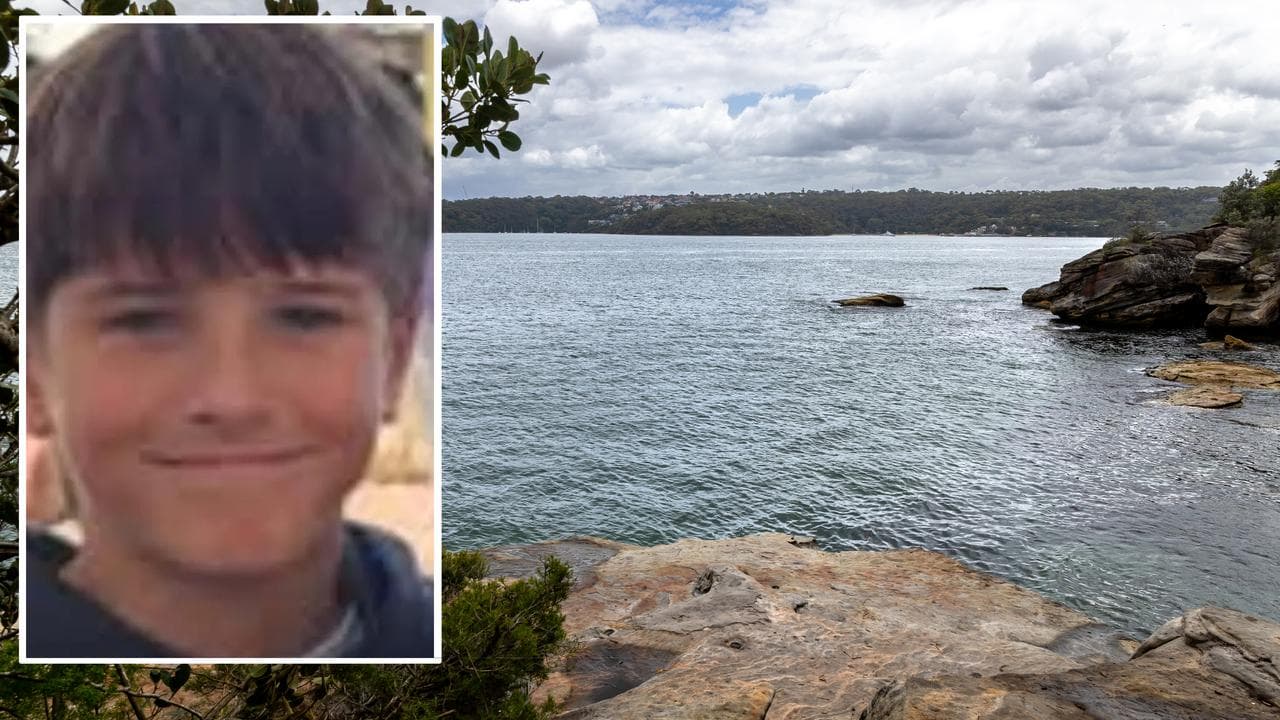
The family of a boy mauled by a shark off a Sydney beach are preparing for the "worst possible outcome" as the public rallies around them.
A friend of the Antic family has set up a fundraiser that has collected more than $120,000 after 12-year-old Nico sustained devastating leg injuries on Sunday.
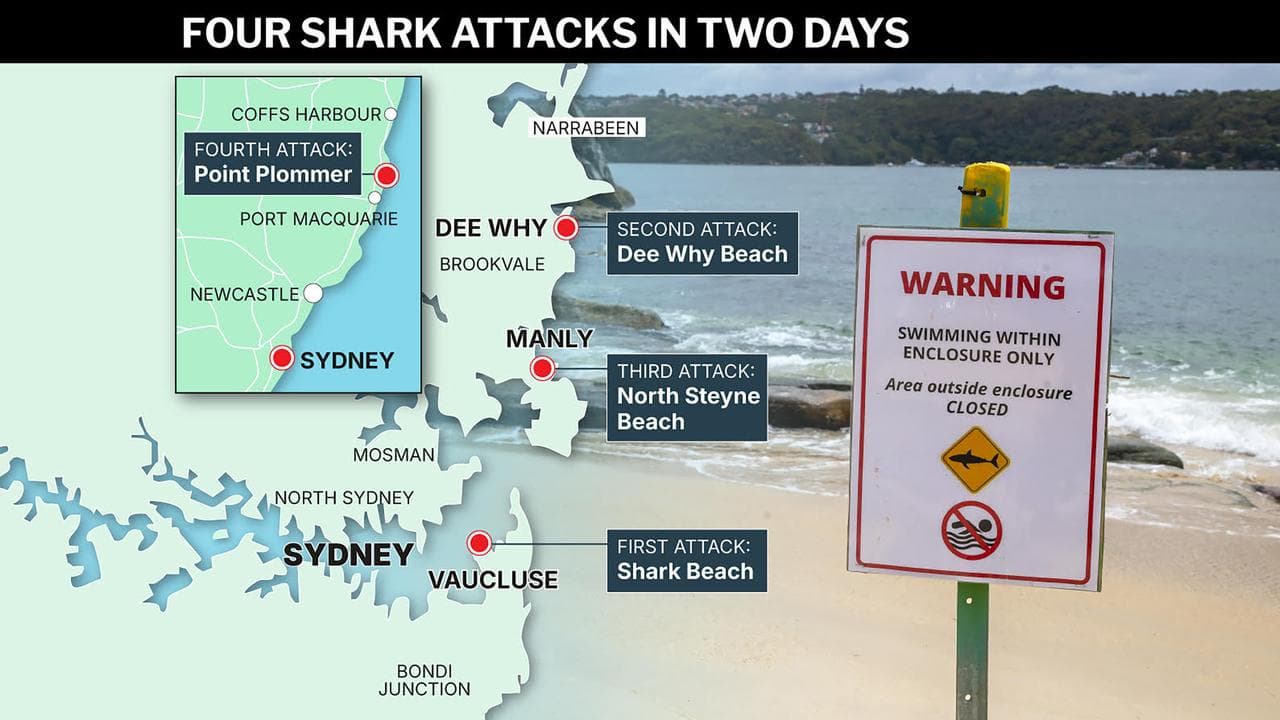
It was the first of four shark bites within three days in NSW, triggering widespread community concern and beach closures.
"Despite all efforts, this heartbreaking event has led to the worst possible outcome," family friend and fundraiser founder Victor Pineiro said.
"We are raising funds to help the Antic family cover upcoming expenses and related arrangements during this incredibly difficult time."
A message of solidarity was left by the mother of young surfer Khai Cowley, who was mauled by a suspected great white off the coast of South Australia's Yorke Peninsula in December 2023.
"From one mum to another, my heart is holding you so tightly," Kate Barley told the Antic family.
"I lost my beautiful boy Khai in a shark attack in SA - he was only 15 - and I know how unbearable this waiting and fear can be."
Antic, a nipper at North Bondi Surf Lifesaving Club, has been in a critical condition since he arrived at Sydney Children's Hospital on January 18.
The spate of attacks come as the federal government is urged to lead a national approach to reduce shark encounters in Australian waters.
Shark mitigation measures such as nets and drum lines were simply not working, Greens senator Peter Whish-Wilson said.
He argued they typified "a lazy and ineffective approach" that needed updating based on the science.
"Palming off responsibility for shark bite mitigation to the states is a cop-out, given many sharks and other marine creatures killed in lethal shark control programs are federally protected species," the senator said.
Leo Guida of the Australian Marine Conservation Society said a "nationally consistent approach" was worth exploring.
But he urged the states to better invest in technologies that work and which could be scaled across Australia.
He rubbished the use of shark nets as a "placebo" that gives a false sense of security to swimmers, adding that two of the recent four shark bites occurred at netted beaches.
"It's like having a flyscreen door with a mesh only as wide as your thumb and hoping to keep flies out - it's not going to work," Dr Guida told AAP.
"Sharks can swim over, under and around them."
NSW had the world's largest shark tagging program and used other "evidence-based methods" such as drone surveillance - a model for other states to follow, Dr Guida said.
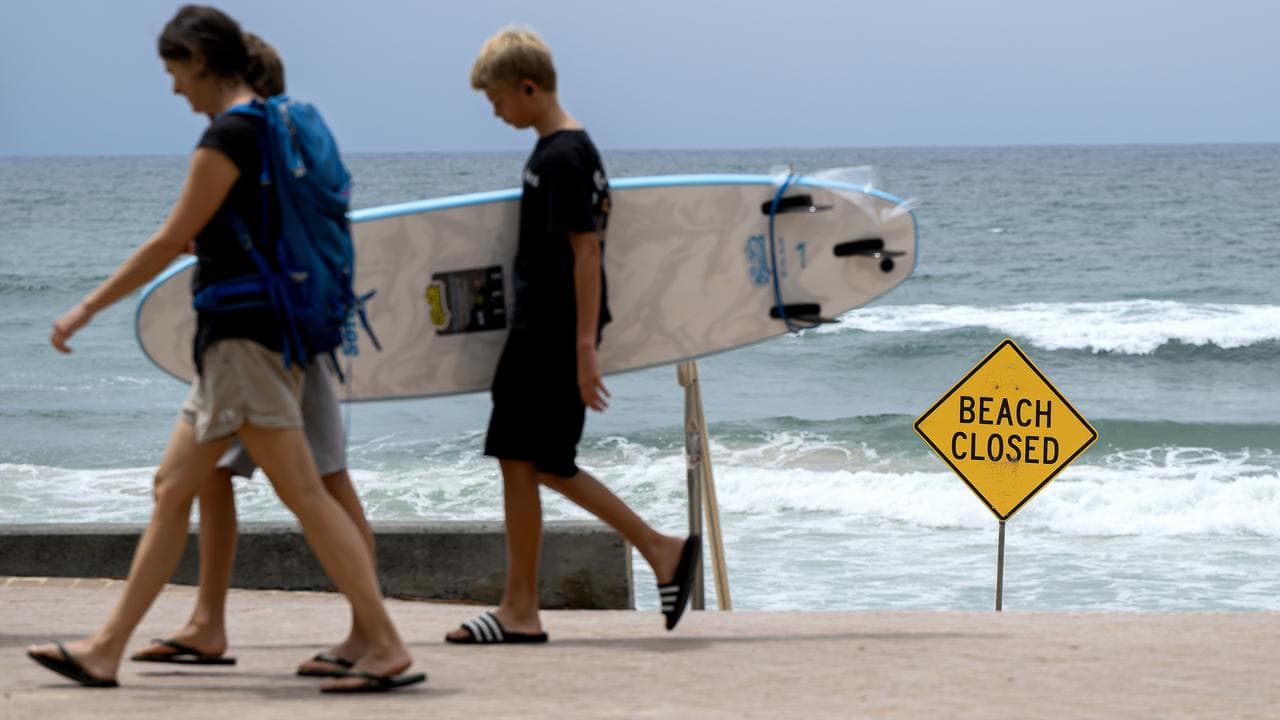
About 30 beaches remain closed, including along the 30km coastline marking Sydney's northern beaches.
Swimming events have been cancelled and the public urged to avoid the ocean and opt for pools.
Australia's white shark population across its coastline is estimated to be at fewer than 500 breeding adults, according to the latest research.
In the other recent incidents, a 39-year-old man was taken to hospital after being bitten in the chest at Point Plomer, north of Port Macquarie on the NSW mid-north coast, on Tuesday morning.
Another man, aged in his 20s, was bitten at Manly's North Steyne Beach on Monday evening and underwent surgery for severe lower-leg injuries.
An 11-year-old boy narrowly avoided injury at Dee Why, with a shark taking a chunk out of his surfboard on Monday morning.
More than 30 SMART drumlines have been deployed along Sydney beaches, while shark listening stations and aerial surveillance have been ramped up.


