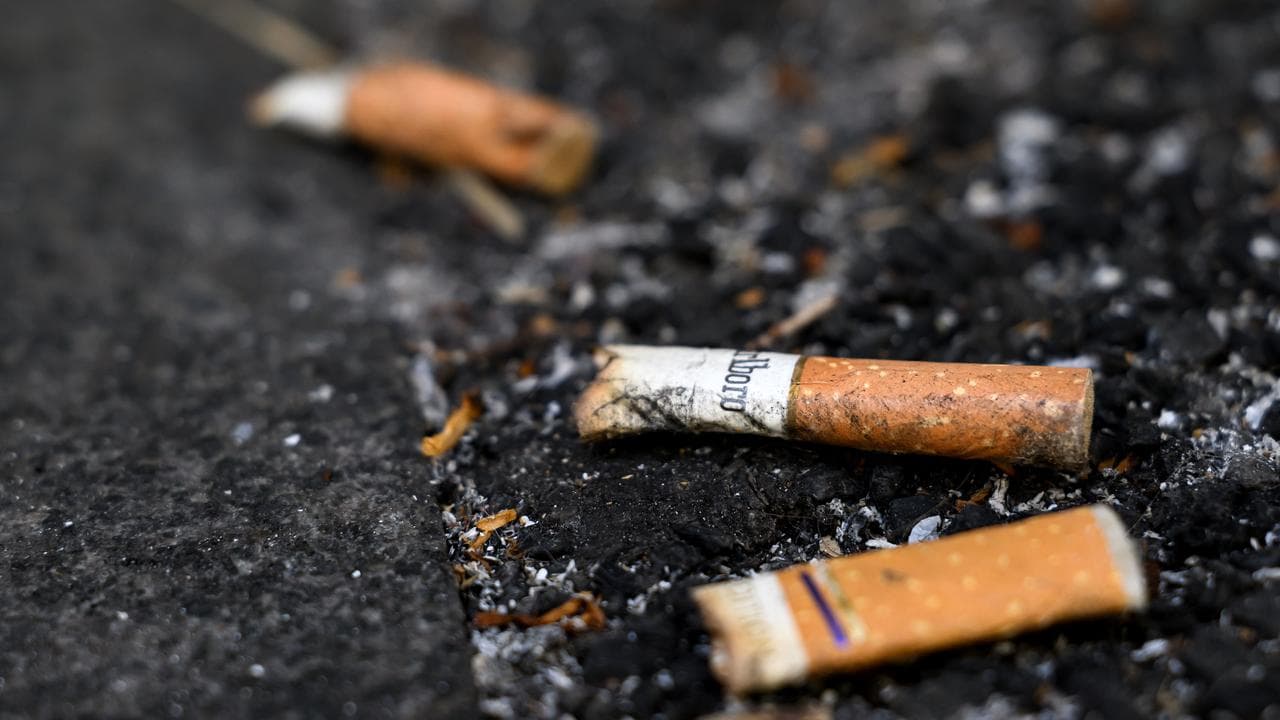
Australia's tobacco commissioner has faced scrutiny over claims that changes to the cigarette excise would not curb the illegal tobacco trade.
Tensions have been rising over the excise as states and economists pressure the federal government to consider freezing the policy.
The federal tax has leapt to $1.50 a cigarette, prompting many of the nation's 1.7 million daily smokers to turn to cheaper options on the booming black market.
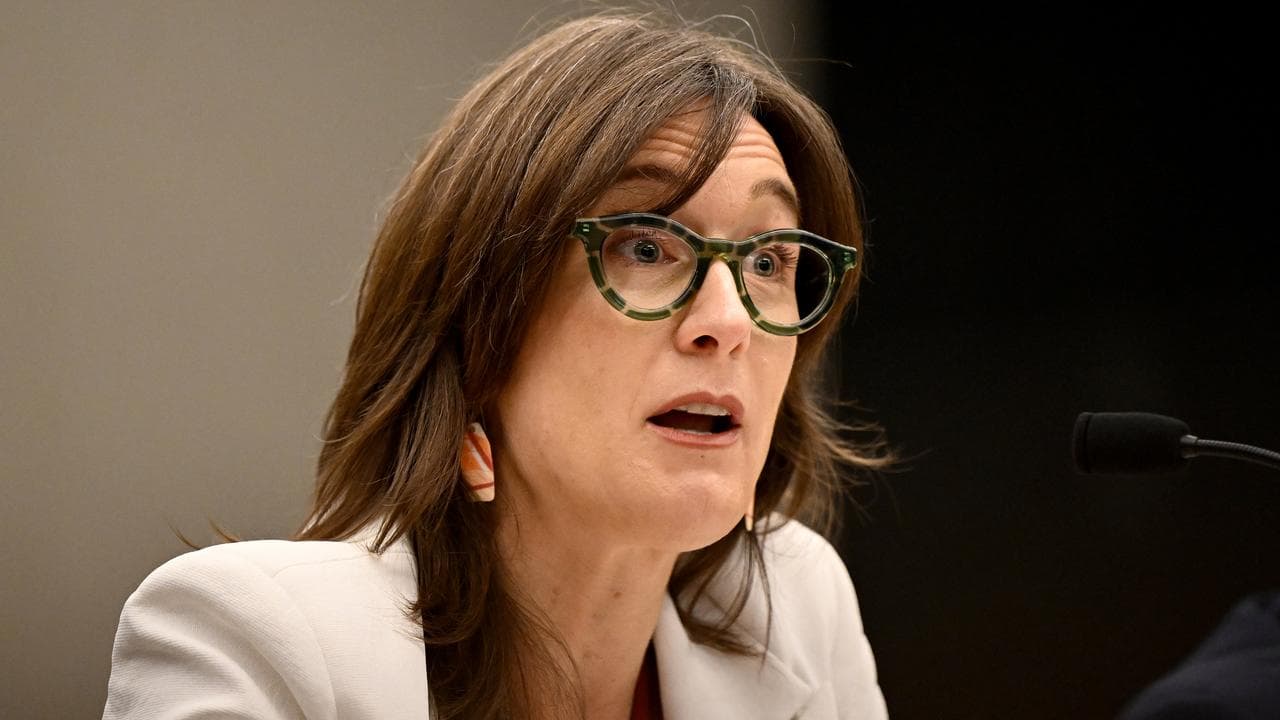
While acknowledging tax is a factor in the widening price gap, Commissioner Amber Shuhyta on Friday defended turning her focus elsewhere.
The solution, she said, lay in stronger inter-agency collaboration, centralised data and intelligence sharing, and tougher legislative and licensing reforms.
"I'm trying to give a more comprehensive picture of a trustworthy source of advice for government," Ms Shuhyta told a NSW illicit tobacco parliamentary inquiry.
"Excise has not been found, in the evidence in front of me, (to be) the sole or primary driver of this issue. If it was simple as that, I would be putting that advice to government.
"I need to hold the health outcomes of Australia at the same time as looking at excise, this isn't purely a financial problem to solve."
Excise revenue has declined sharply from a peak of $16.3 billion in 2019/20, with treasury estimates at $5.5 billion for 2025/26.
A tripling in the excise rate over the past decade has pushed the average price of a pack of legal cigarettes towards $50, while a black market equivalent can be readily purchased for less than $15.
Australian cigarettes are among the least legally affordable in the world, fuelling an underworld war to control the lucrative illegal market.
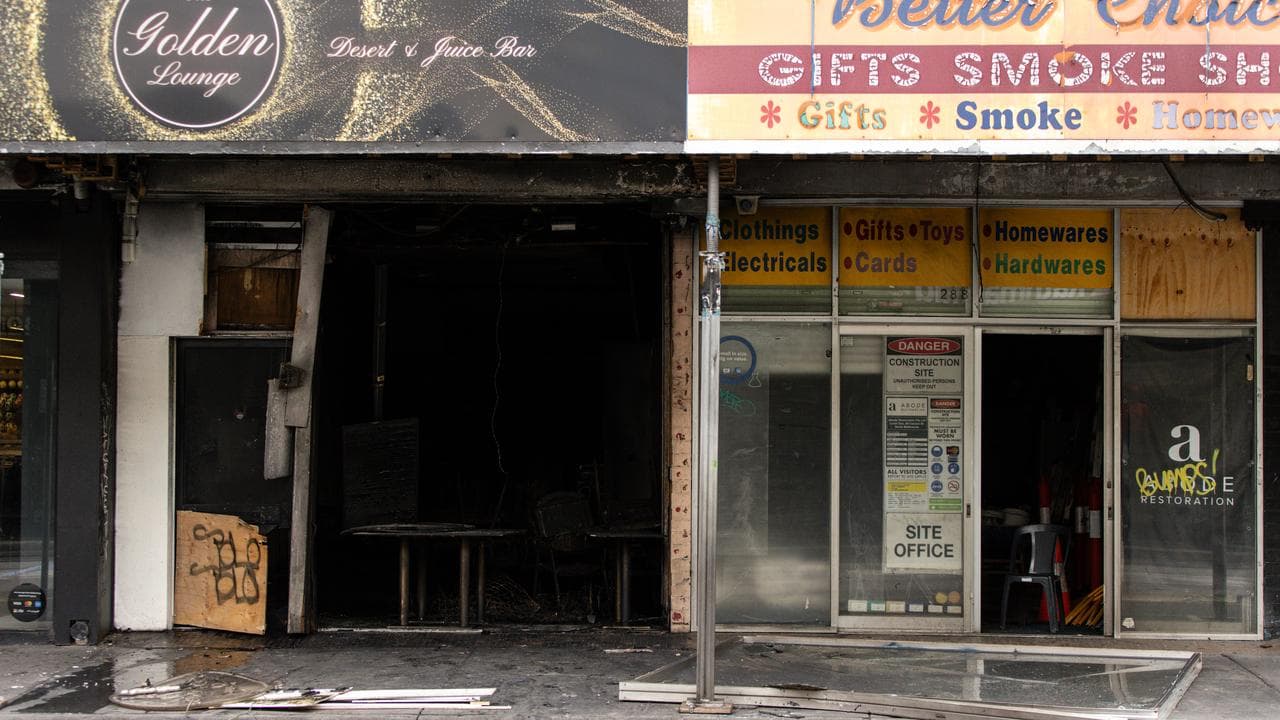
It has led to 200 fire bombings, at least three murders and countless acts of intimidation and extortion, Australian Criminal Intelligence Commission chief executive Heather Cook said in a November speech.
Ms Shuhyta said there was no evidence on hand that proved changing the excise would drive down the illegal trade.
"I don't have anything to substantiate what difference the price change would make," she said.
"There (are) a number of countries around the world with very different excise settings but very sizeable illicit markets."
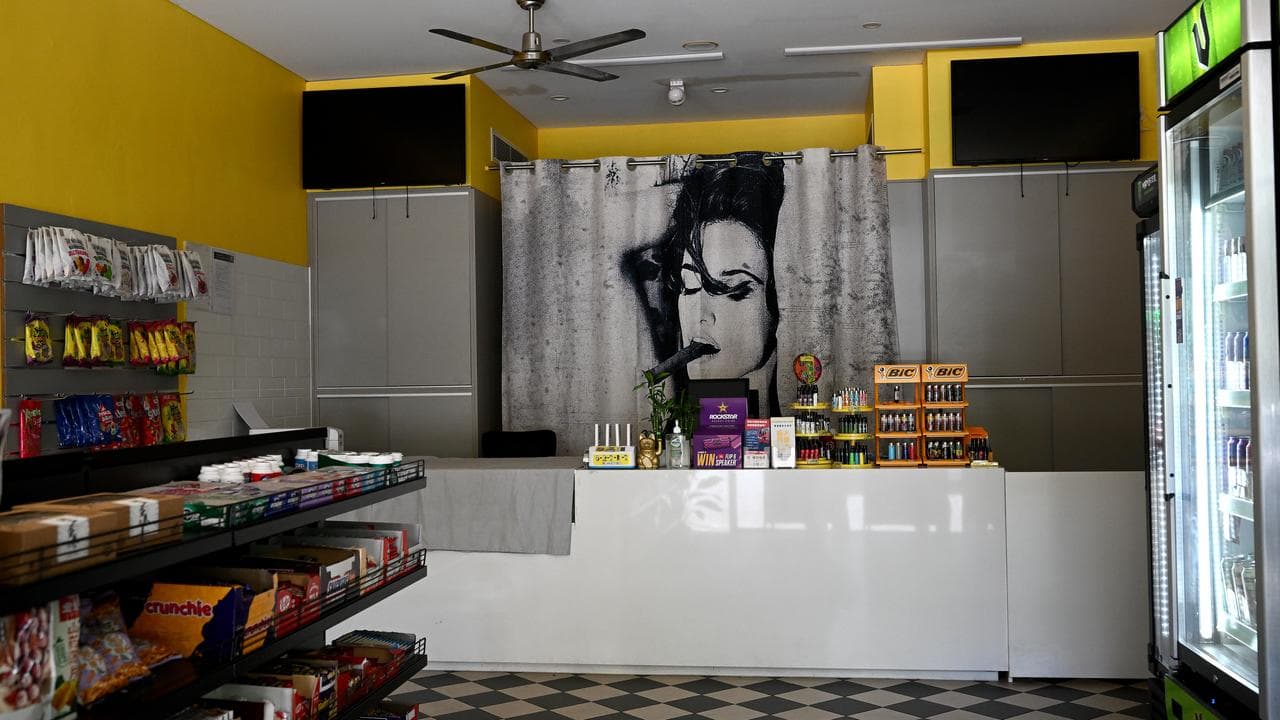
The inquiry heard that strengthened law enforcement activity within the past year had helped curb the illegal trade.
Border Force told the inquiry officers were detecting illicit tobacco at least 50 times a day across airports and cargo ports.
More than one billion illegal cigarettes were blocked from entering Australia in the last six months of 2025.
The issue has been earmarked by new federal opposition leader Angus Taylor as a key area of policy development ahead of the 2028 election.
It follows Liberals successfully prosecuting the matter in NSW, winning bipartisan support for crackdowns on black market tobacconists and those selling under the counter.
NSW Premier Chris Minns has demanded excise cuts but is yet to convince federal Treasurer Jim Chalmers they will dampen illegal activity.
However, Finance Minister Katy Gallagher left the door open to change when asked at Senate estimates last week.
“The government keeps all of these matters under review,” she said.
Regular excise hikes over the past three decades and other anti-tobacco measures have been credited with lowering smoking rates.
About 8.3 per cent of Australians aged over 13 smoked daily in 2023, down from 11 per cent in 2019 and less than half of 2001 rates.


