
Major fossil fuel-producing nations including Australia must stop expanding coal and gas developments to prevent climate change devastating Pacific nations and forcing people to leave their homes.
Tuvalu Climate Change Minister Maina Vakafua Talia issued the call at The Australia Institute’s Climate Integrity Summit in Sydney on Tuesday, while warning low-lying nations would need financial help to establish large-scale renewable energy solutions.
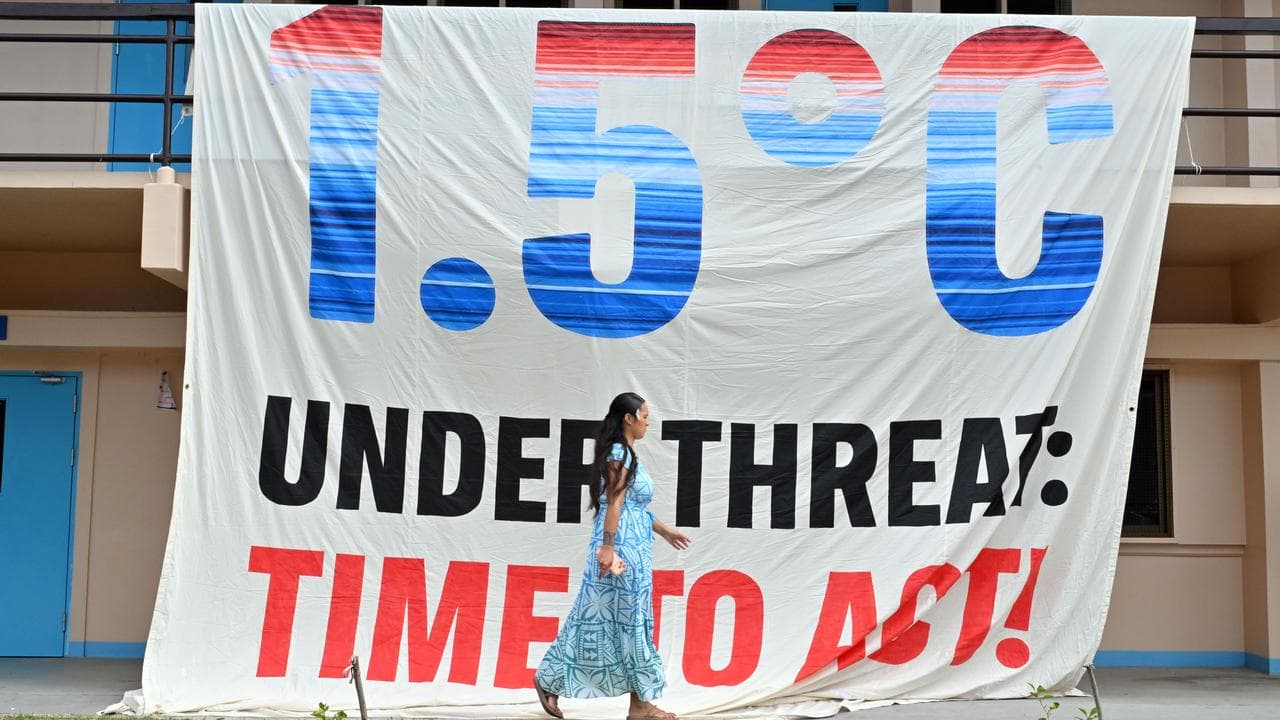
The warning comes after a United Nations report found island nations faced the risk of submersion when temperatures rose by more than 1.5C, and weeks before Tuvalu is due to host world leaders at a pre-COP event.

Dr Talia told the fourth annual event, held at NSW parliament, that the risks posed by global warming were frightening and kept him awake at night.
“It’s a life and death scenario for people in Tuvalu and it’s far too long we have been discussing this issue,” he said.
“Having the pre-COP special leaders event in Tuvalu and, of course, with the (Transitioning Away From Fossil Fuels) meeting next year, we do not just want them to come and watch how vulnerable we are but to also (see) how (the) economic vulnerability of Tuvalu it is the issue of climate change.”
Forcing citizens to leave Tuvalu should not be considered an adequate response to climate change, Dr Talia said, and more nations should address the root causes of global warming.
Countries that produce fossil fuels should not approve new developments, he said, and should help smaller nations transition to renewable energy generation.
“The logic is very simple: we should put a stop to the expansion of coal and mines and gas to ensure the survival of those who continue to live in small island states,” he said.
“If we don’t put a stop to the real problem, it will become a major problem, and it’s a major problem already.”
The call to halt new coal and gas developments was echoed by The Australia Institute co-chief executive Dr Richard Denniss, who told attendees Australia should not take pride in its renewable energy efforts while making a large contribution to global emissions.
“We are the third largest fossil fuel exporter in the world and we are not transitioning away from fossil fuels, we are rushing headlong into them,” he said.
"The number of solar panels on domestic roofs (is) irrelevant."
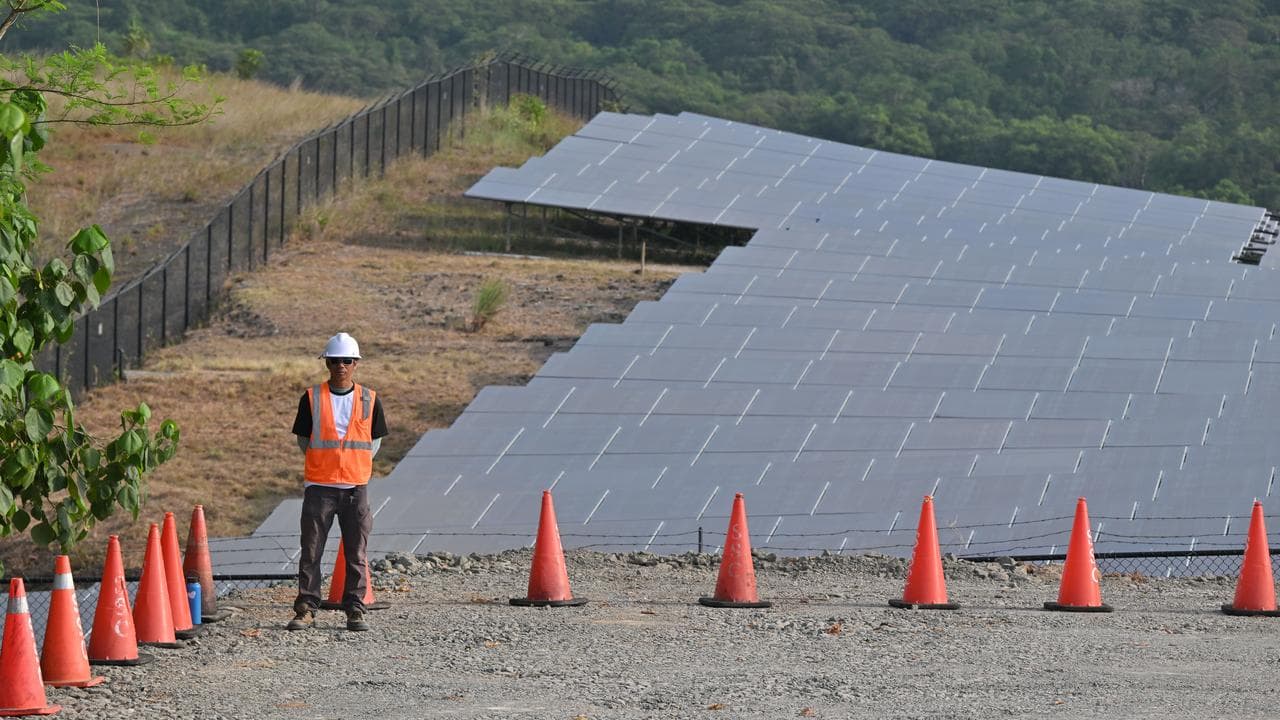
Genuine efforts to cut emissions would be needed to address global warming, Canadian senator Rosa Galvez said, rather than carbon capture or offsets.
“If we had started this transition 40 years ago, maybe there was room for this delaying, slower tactics to reduce emissions,” she said.
“But right now we are too close and we are already exceeding the tipping point.”


