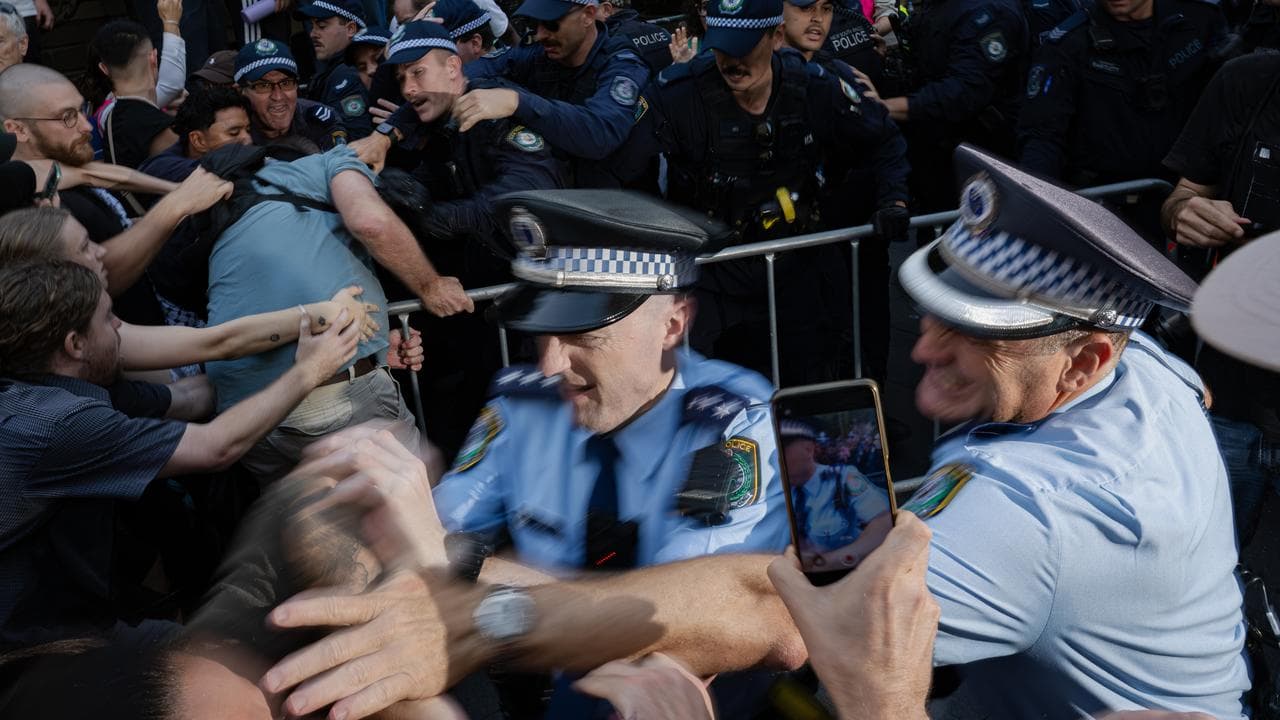
The future of snap protest restrictions after the Bondi massacre is up in the air as a state's highest court considers the effect on political freedom.
The controversial curbs on protests were brought in after December 14, when 15 people were killed as a father-and-son duo opened fire on a Jewish festival celebration.
The new laws allow the police commissioner to suspend the public assembly regime for up to three months after a terror attack, on community safety grounds.
A coalition of Jewish, Palestinian and Indigenous activists appeared at the NSW Court of Appeal on Thursday as they sought to have the laws struck out.
Their barrister, David Hume SC, said the anti-protest laws clashed with “the oldest and most orthodox form of public expression of political dissent in a representative democracy”.
The laws were a worse alternative to the previous legislation and were overly broad, he told a panel of three judges.
“They use a sledgehammer to seek to crack a nut," Mr Hume argued.
The NSW's government's barrister Brendan Lim SC defended the laws, saying they did not actually block public assemblies.
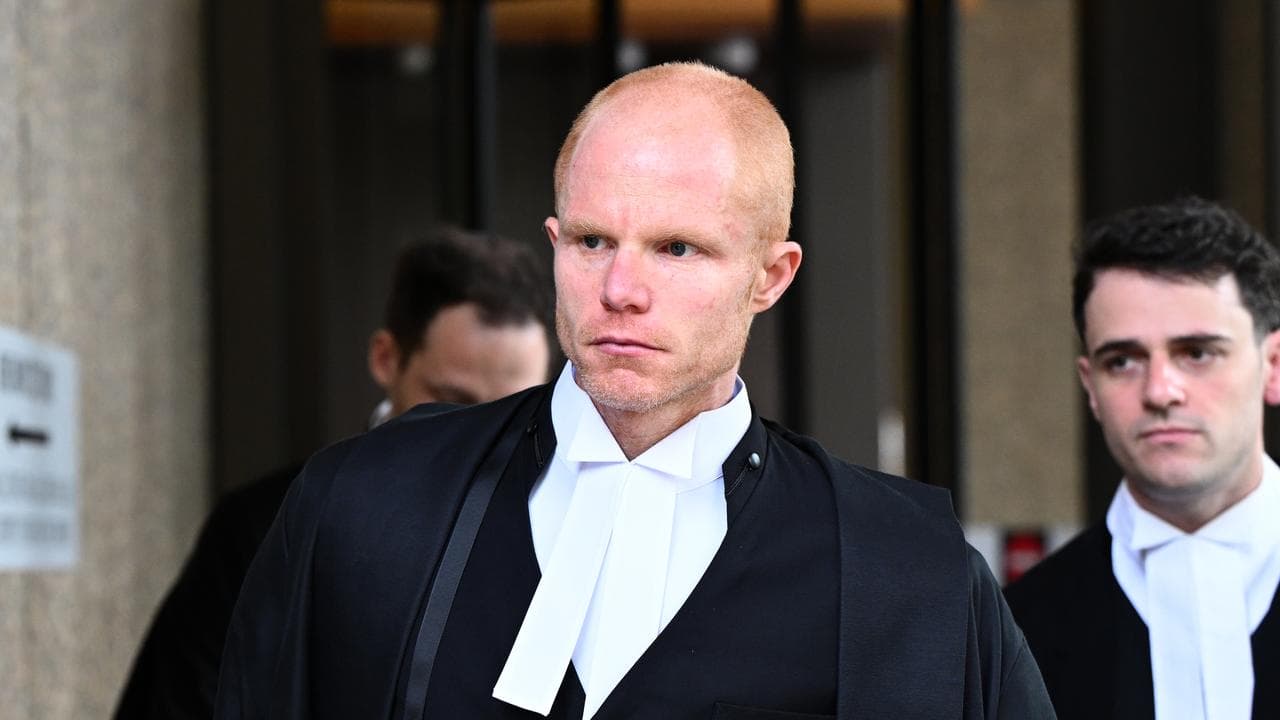
Instead, they simply rolled-back protections for protesters, preventing them from being arrested for obstructing people and traffic or engaging in harassment, intimidation or causing fear, he said.
Under standard conditions, protesters can avoid potential prosecution by providing police early notice about a public assembly.
That authorisation can be overturned by the NSW Supreme Court if it agrees with police about safety concerns.
Protesters can also seek court approval where police object to a short-notice rally.
That regime worked and promoted safe protesting, Mr Hume said.
Instead, the new laws restricted all protests instead of specific ones while giving police broad and uncontrollable powers, he argued.
But Mr Lim argued the target was not protests generally, saying the restrictions would be used in the limited event of a terrorist attack.
He pointed to a degrading security environment and a rise in politically-motivated violence in Australia as to why the legislation was necessary.
The court's judgment will be handed down at a later date.
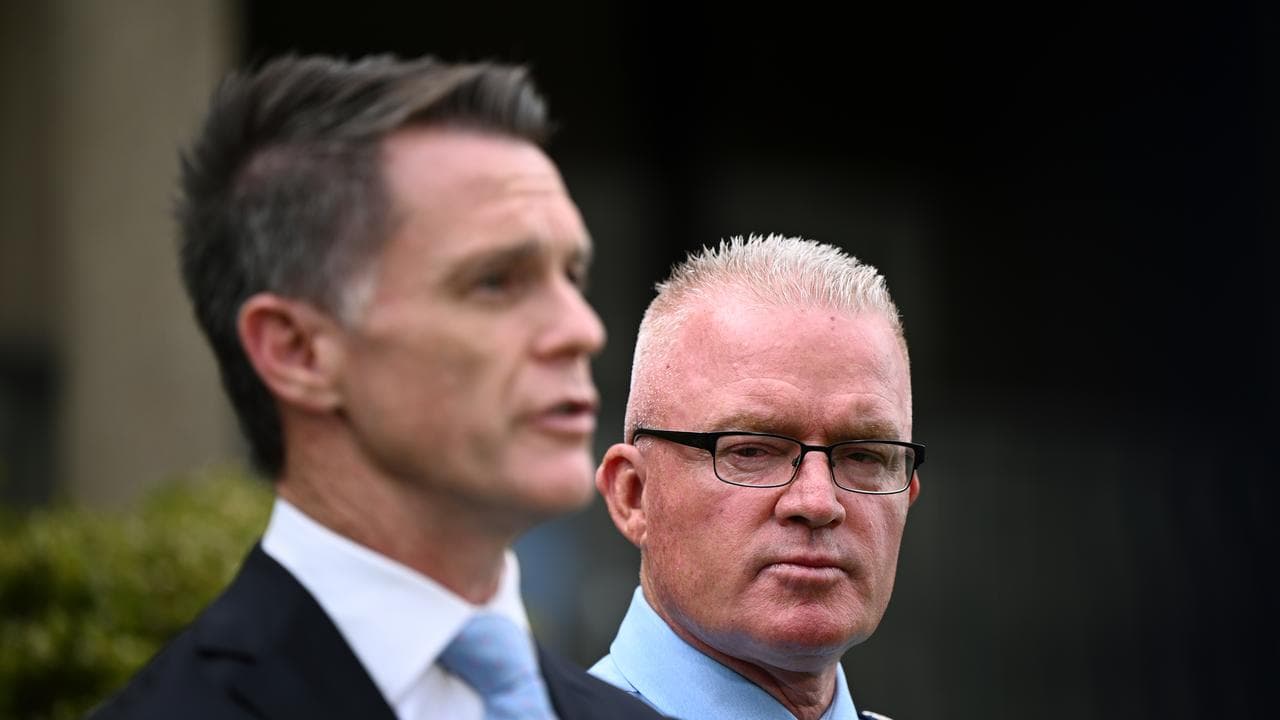
Premier Chris Minns has publicly defended the expanded police powers, saying they were "absolutely essential in keeping order and peace" after the deadly massacre at Bondi.
Earlier on Thursday, about 40 protesters gathered outside court where impassioned speeches were made against the state Labor government and its laws.
Australians had witnessed the police brutality at Sydney protests against the Australian visit of Israeli President Isaac Herzog, said Wiradjuri woman Latoya Aroha Rule.
"Our right to protest is not negotiable," she said reading a statement from Indigenous activist Elizabeth Jarrett who is one of those leading the lawsuit.
"Minns must resign - his anti-protest laws need to be ripped up."
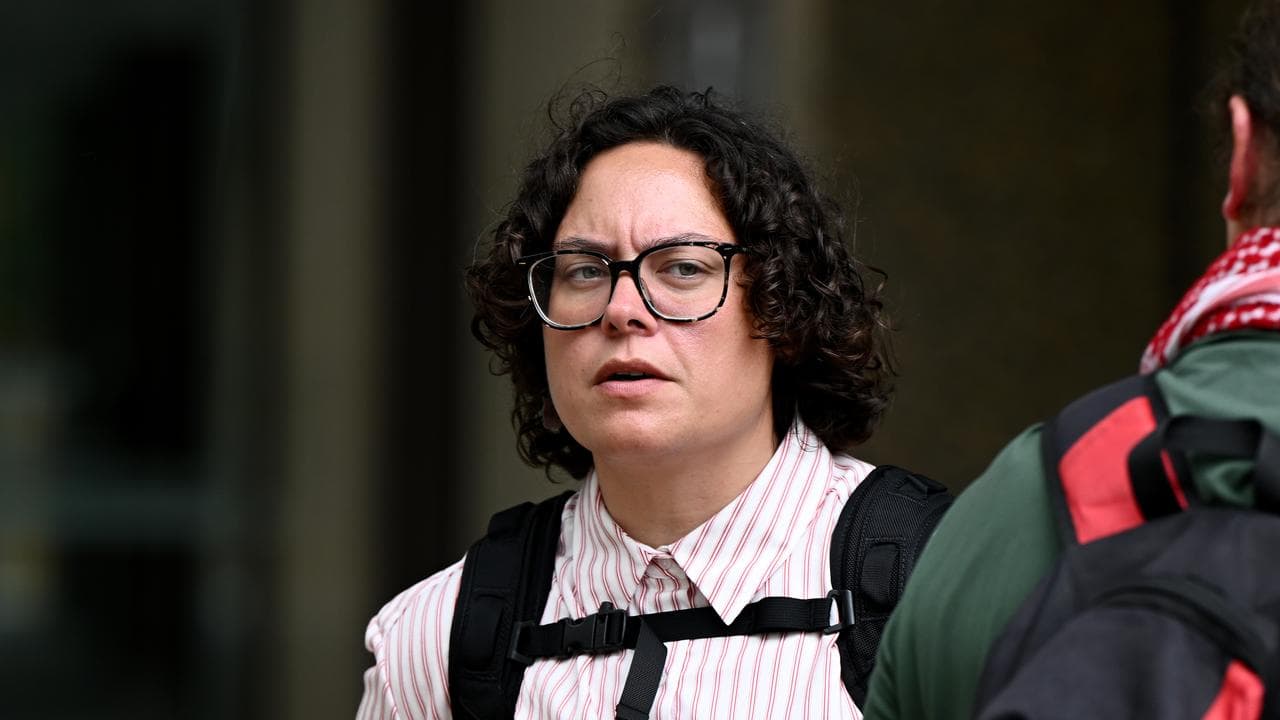
The activists' solicitor Nick Hanna commended his "very brave" clients in their fight to preserve a fundamental democratic right.
"It's difficult to think of a case that is more consequential for political freedoms in this state," he said.
"It's a case that should be supported by everyone in this state regardless of your political ideology because it will benefit and protect all of you."


