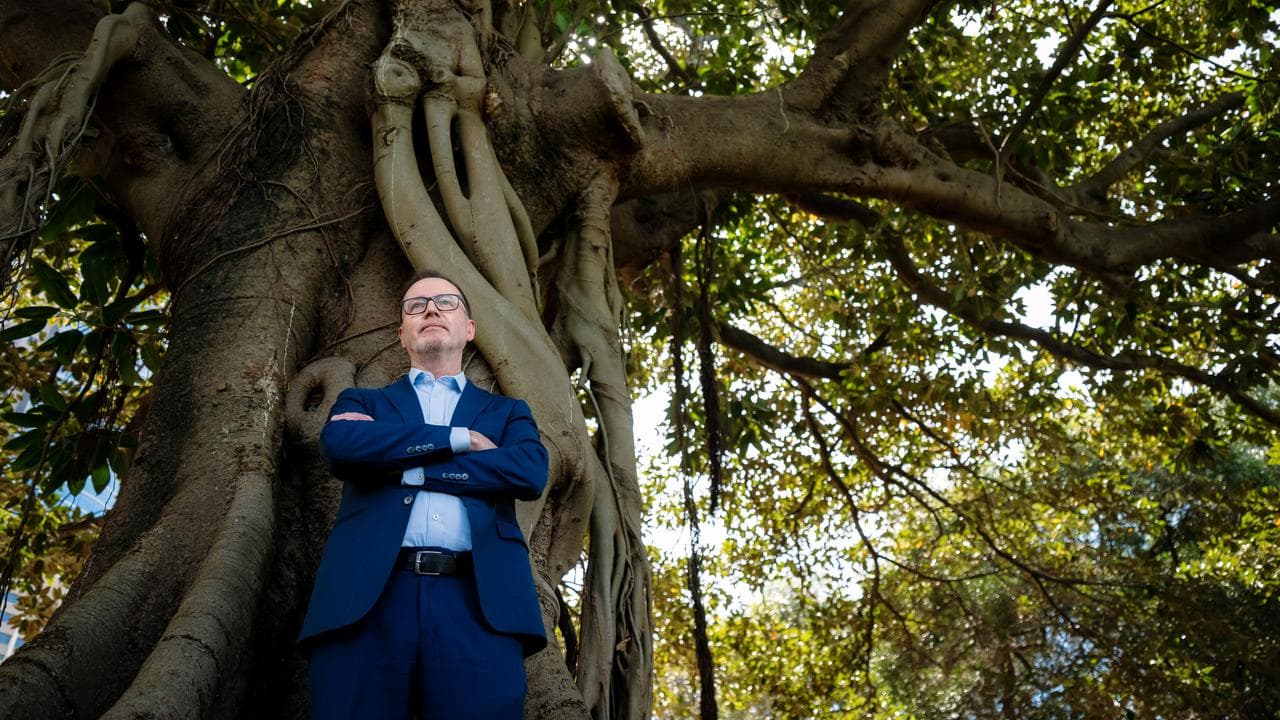
A bit more polish, a broader policy grasp and a better shot at luring would-be One Nation voters open to a populist voice from the left.
These are the reasons senior Greens are privately citing to explain why David Shoebridge won the party's leadership ballot this week.
Senator Shoebridge took the role following the surprise resignation of Larissa Waters on health grounds.
In the aftermath, AAP asked more than a dozen elected Greens representatives, members, staff and party-watchers why the Sydney lawyer triumphed.
The most common off-record response was one his new deputy, Steph Hodgins-May, happily endorses publicly.
"His energy," she tells AAP before quickly adding, "and his big enormous brain".

The 55-year-old won a single preferential ballot over Senator Waters' deputy Mehreen Faruqi and the long-serving Sarah Hanson-Young.
Insiders say this was not a contest shaped by ideology or by a factionalised or regional split.
Instead, it was a more calculated or cautious political call to keep the party on its current trajectory.
Senator Faruqi and her backers wanted stronger urgency and passion behind the Greens' campaigning.
They believe her migrant background speaks to modern Australia and the politics of the moment, with the party seeking to be multiculturalism's biggest champion.
The argument is her uncompromising style - evidenced by her dogged legal pursuit of Pauline Hanson for racial discrimination and impassioned pro-Palestine advocacy - would have generated cut-through in the attention economy.
While the party is united behind the Palestinian cause, some feared her record might have seen her defined as a single-issue leader and declared irrelevant to the pivotal economic policy contest.
Might the Pakistan-born engineer, often attacked by sections of the media, have been too radical a choice compared with the Sydney-raised barrister?
"Honestly I think that was why she didn't win," one insider told AAP.
This is one tension the party must now confront and move past on the road to the next election.
Senator Faruqi, yet to speak publicly following the vote, instead issued a statement saying "bold politics and radical action" were required.
It did not congratulate Senator Shoebridge and pointedly called for the grassroots to vote in future leadership contests.
Senator Hanson-Young gave voice to private ructions in her Instagram video.
"Politics can be brutal. Friendships made and lost ... we all care so deeply," she said, before congratulating her rival and pledging to continue serving.
"Australians deserve an optimistic, caring and defiant progressive voice and I won't be backing down."
To his supporters, Senator Shoebridge has earned his stripes in his portfolios, particularly foreign affairs and defence.
An AUKUS arch-critic, he has tied the government to desperately unpopular US President Donald Trump, an area where the Greens hope to win more support.
Former senator and now federal South Australian MP Robert Simms describes the new leadership as a "dream team" with form where the Greens need it.
"They speak to the broader movement," he tells AAP.
"Steph Hodgins-May has a background in climate (and) David Shoebridge is somebody who brings an international lens, as well as significant experience as a legislator over in NSW.
"They're a really strong complementary team."
The biggest tack between Senator Waters and Senator Shoebridge might be tonal, with the new leader serving it up to Labor in his first week in the job.
University of Sydney honorary associate Stewart Jackson, a former national Greens convenor who wrote a history of the party, says Senator Shoebridge will bring a directness Senator Waters sometimes lacks.
"I think they wanted someone who's basically going to take on the government, the coalition and One Nation rather than be the negotiator," he says.
"Larissa has not been what the media, in particular, has been looking at ... there's no profile there. David will make sure there's a profile there."
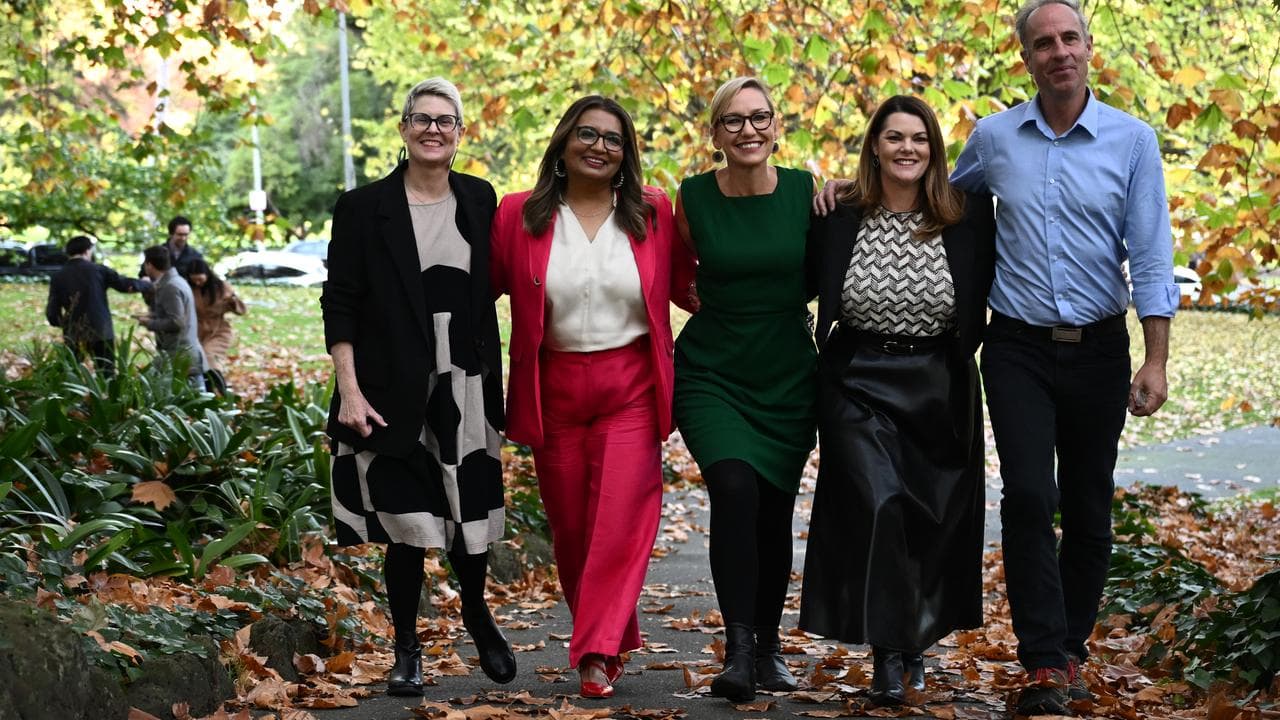
This will surely please a membership said to be profoundly disappointed by Anthony Albanese's government and wanting the party to extract more from its balance of power in the Senate.
"Not a single member is telling us not to whack Labor," a senior Green tells AAP.
The Greens will have plenty of policy space to operate in, with Labor more concerned by the growing threat to its right, One Nation, than protecting its left flank.
Senator Hodgins-May emphasises the importance of the economic contest.
"We need to be understanding people's material needs. We need to understand how we're going to meet those and we need to have those fights," she says.
The Greens have polled between 10 and 12 per cent at the past four elections, but recent polls show a slight uptick beyond these benchmarks.
The question and tension internally is whether this is consolidation or stagnation.
The latest quarterly Newspoll review included heartening news for the Greens: the party is one point behind Labor among those younger than 35 and one point ahead of the coalition in SA.
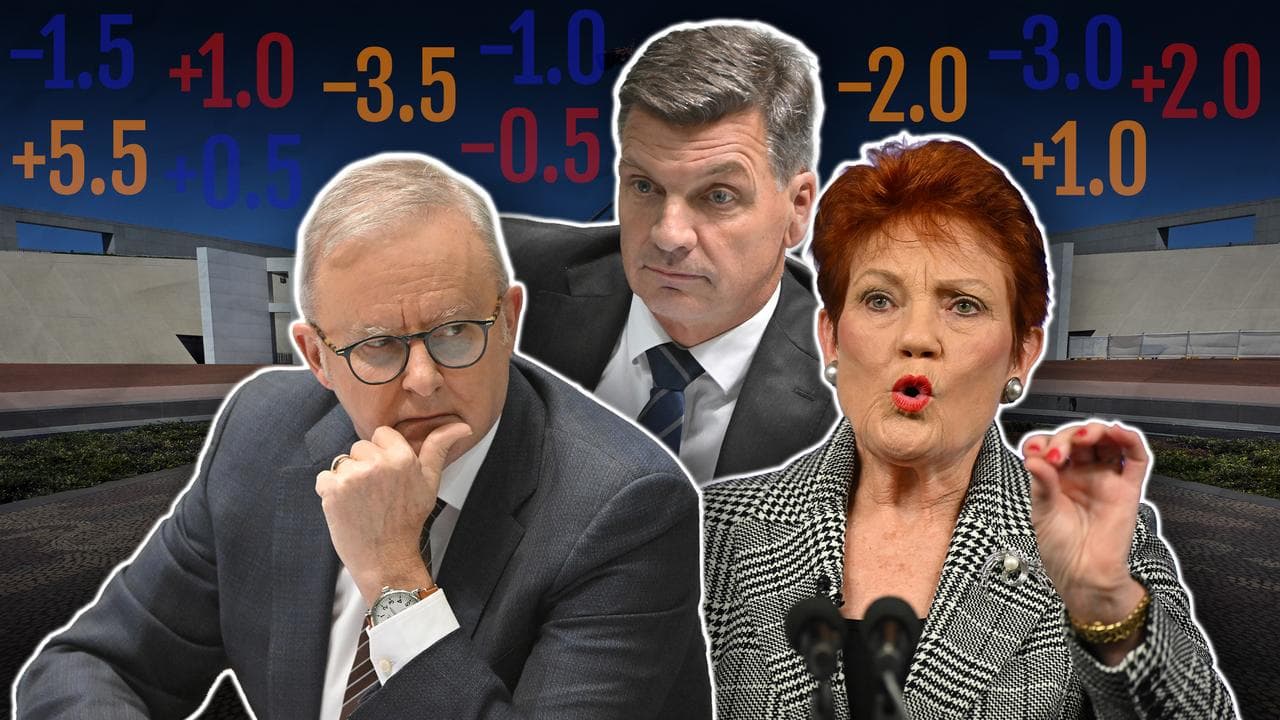
Kos Samaras, director at pollsters RedBridge, says the key ingredient for a Greens' surge is time.
"Thirty-five per cent of gen Z report to us voting Green, irrespective of geography, which is not what we saw with millennials when they were in their 20s," he says.
"Millennials are still voting for the Greens in the same number they were when they were in their 20s, which is about high teens."
Mr Samaras believes a redistributive tax plan could also appeal to the roughly half of current One Nation supporters he describes as anti-establishment rather than right-wing.
"All Pauline offers at the moment is a baseball bat and a reckoning ball," he says.
"Sooner or later, they're going to start looking for an alternative which offers them the future."
As for leadership, the pollster says it's immaterial to the Greens' fortunes as the party's voters are more values-based.
"Even huge supporters of Greens struggle to tell us who the leader is in any state, in any jurisdiction," he says.


