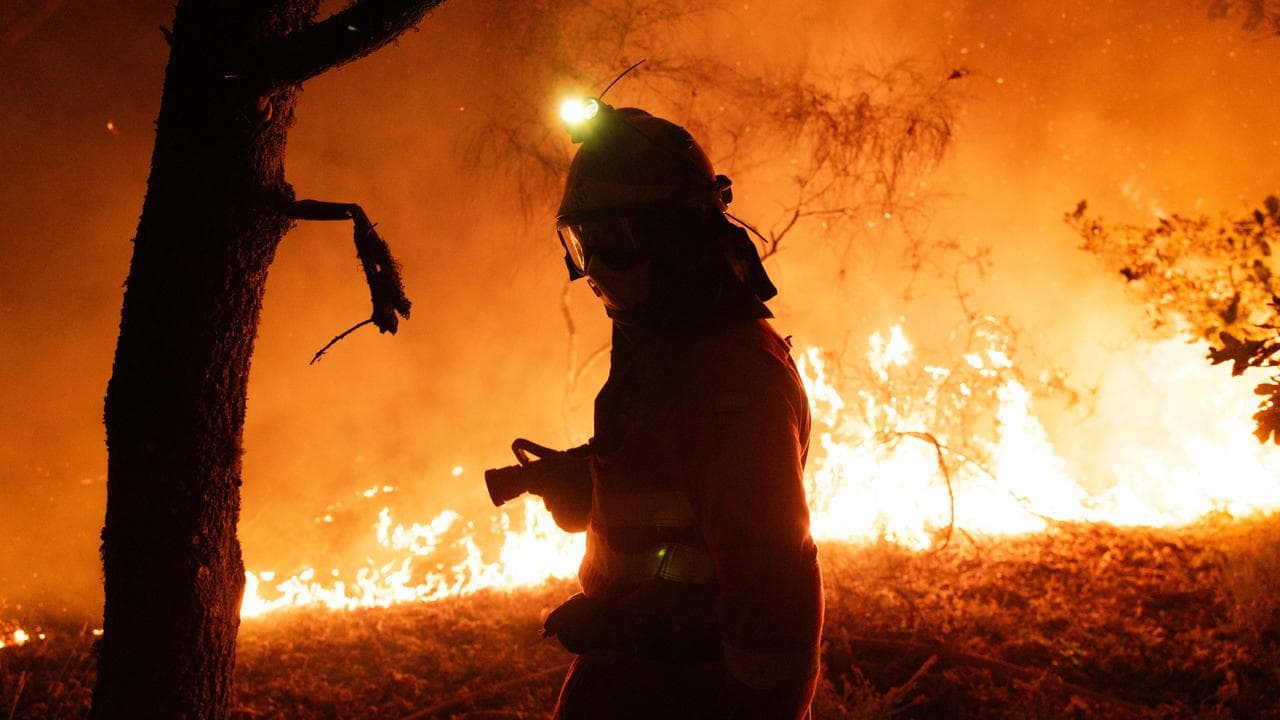
Spain is tackling several major wildfires in one of the country's most destructive fire seasons in recent decades, despite temperatures dropping across the Iberian Peninsula.
Thousands of firefighters on Tuesday aided by soldiers and water-bombing aircraft continued to fight fires tearing through parched woodland that were especially severe in northwestern Spain, where the country's weather agency AEMET reported a still “very high or extreme” fire risk - particularly in the Galicia region.
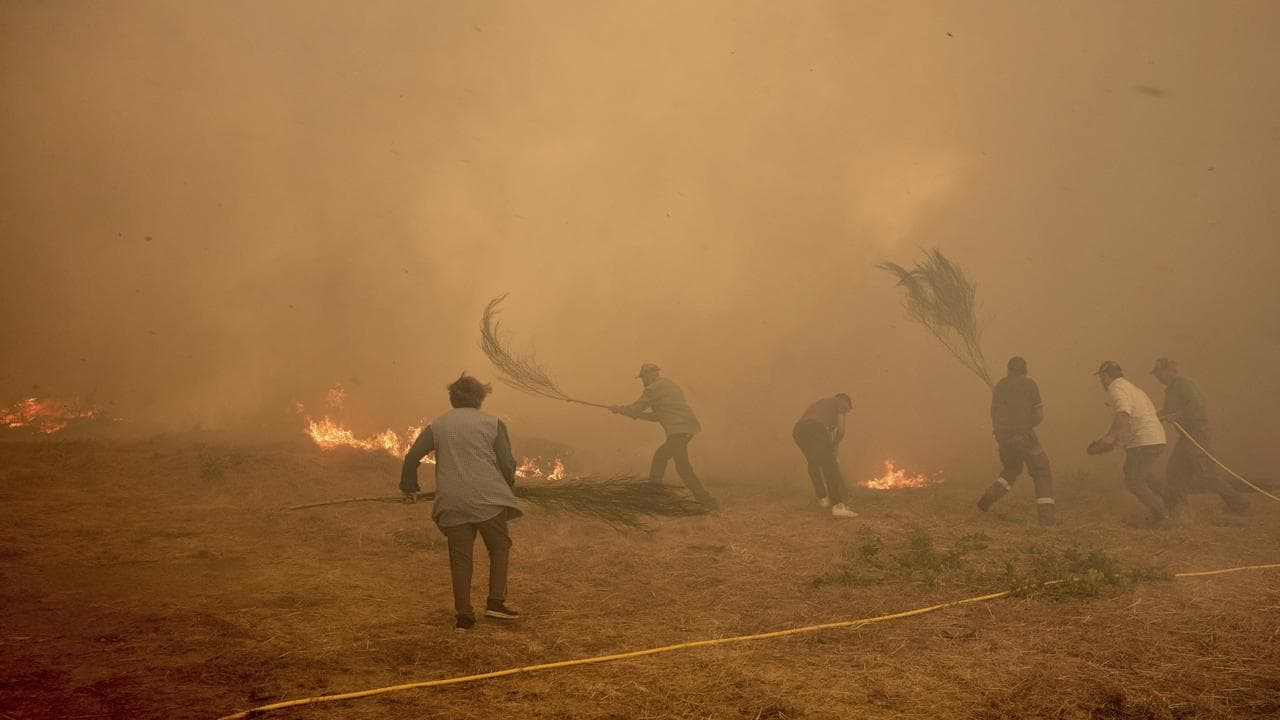
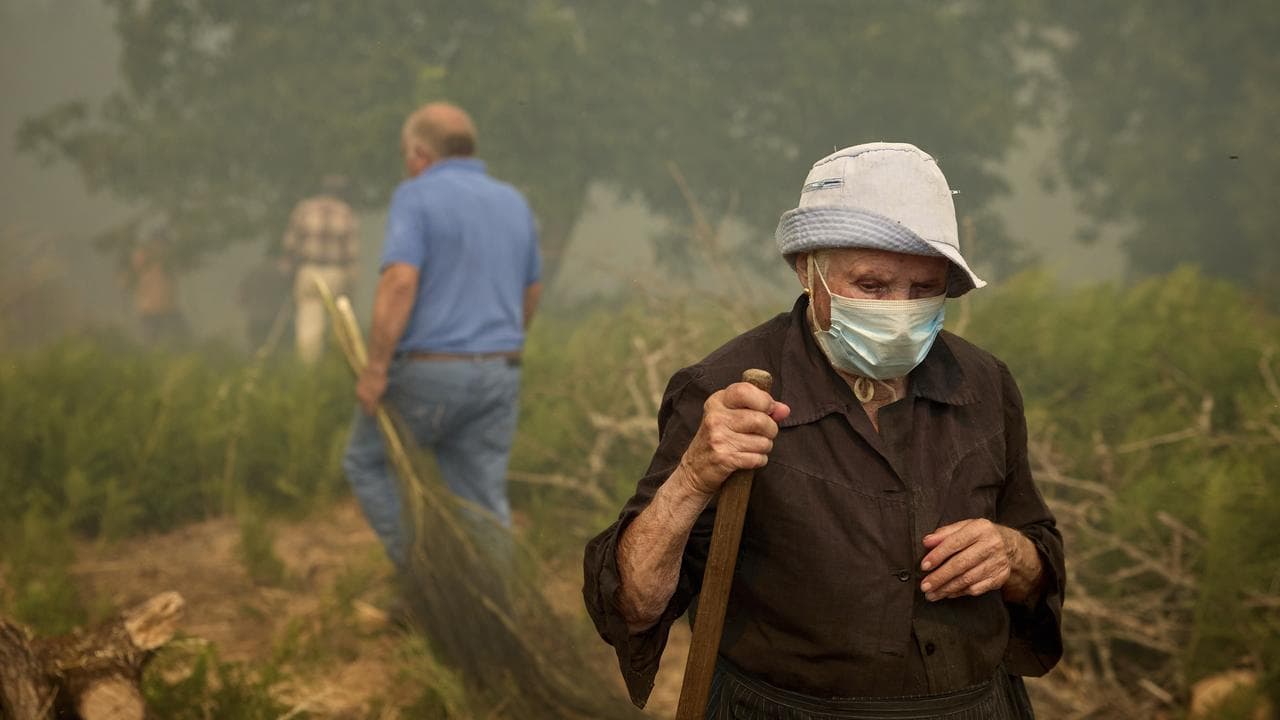
The fires in Galicia have ravaged small, sparsely populated towns, forcing locals in many cases to step in before firefighters arrive.
Firefighting units from Germany arrived in northern Spain on Tuesday to help fight the blazes, Spain's Interior Ministry announced.
More than 20 vehicles were deployed to help fight an ongoing blaze in Jarilla in the Extremadura region that borders Portugal, the ministry said.
Spanish Prime Minister Pedro Sanchez was expected to visit Jarilla on Tuesday.
The fires in Spain, which have killed four people, have burned more than 3000 square kilometres, according to the European Union’s European Forest Fire Information System.
That surface area is more than twice the size of metropolitan London.
Many fires have been triggered by human activity.
Police had detained 23 people for suspected arson and were investigating 89 more, Spain's Civil Guard aid.
In Portugal, more than 3700 firefighters were tackling blazes, including four major ones in the north and centre.
Wildfires there have burned about 2350 sq km, according to EFFIS -almost five times more than the 2006-2024 average for this period.
Two people there have died.
Europe has been warming twice as fast as the global average since the 1980s, according to the EU’s Copernicus Climate Change Service.
Scientists say climate change is exacerbating the frequency and intensity of heat and dryness in parts of Europe, making the region more vulnerable to wildfires.


