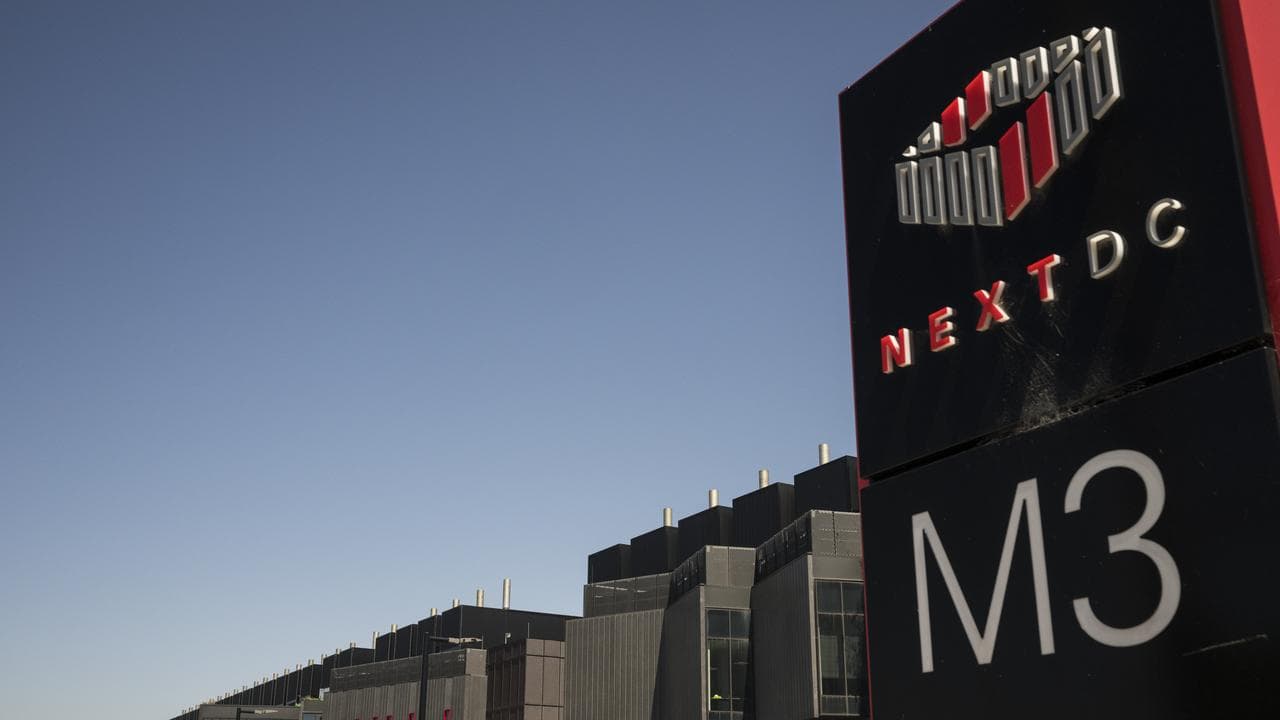
Australia’s toughest renewable energy requirements for new data centres are among recommendations from a high-level probe.
A NSW parliamentary inquiry - which featured three government MPs - released a report into data centres on Thursday, highly critical of the state’s fast-tracked planning regime.
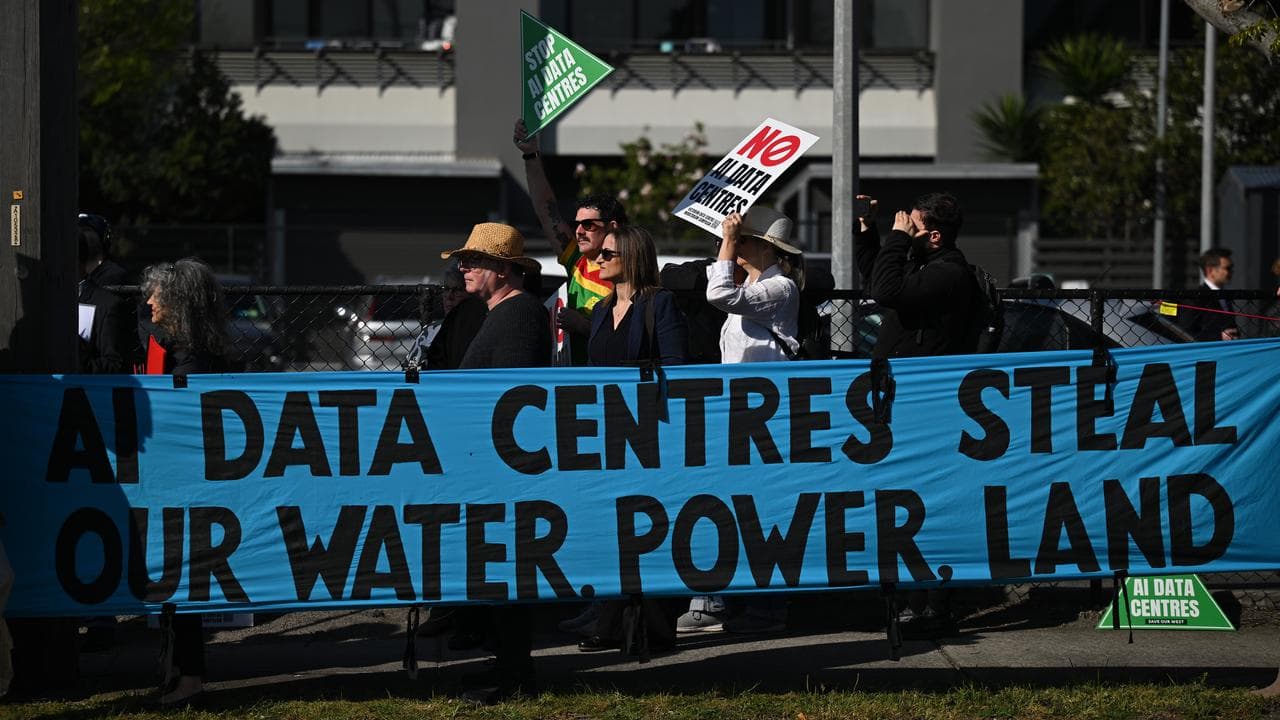
More than 60 data centres operate or are being built in NSW as concerns mount about the facilities, especially in Sydney where the large, windowless and energy-intensive buildings are close to homes.
When announcing the guidelines in August, Treasurer Daniel Mookhey said they ensured responsible investment and required data centres to bring additional power and water to offset demand.
The report made 23 recommendations, including for the government to consider the cumulative effect of data centres on an area, rather than the impact of individual projects.
Inquiry chair and Greens MP Abigail Boyd said the pipeline of planned projects for the state was “astonishing in scale”.
“(They are) threatening to consume incomprehensibly large volumes of energy and water to feed their demands,” she said.
It recommended the government require data centres to supply their own 100 per cent renewable energy on an hourly basis.
That would be the toughest regulation of its kind in Australia, with companies having to account for where their energy comes from for each hour - including times of peak demand - rather than averaging it out over the year.
Ms Boyd said the current rules meant around 20 per cent of data centres' energy needs would have to come from coal and gas.
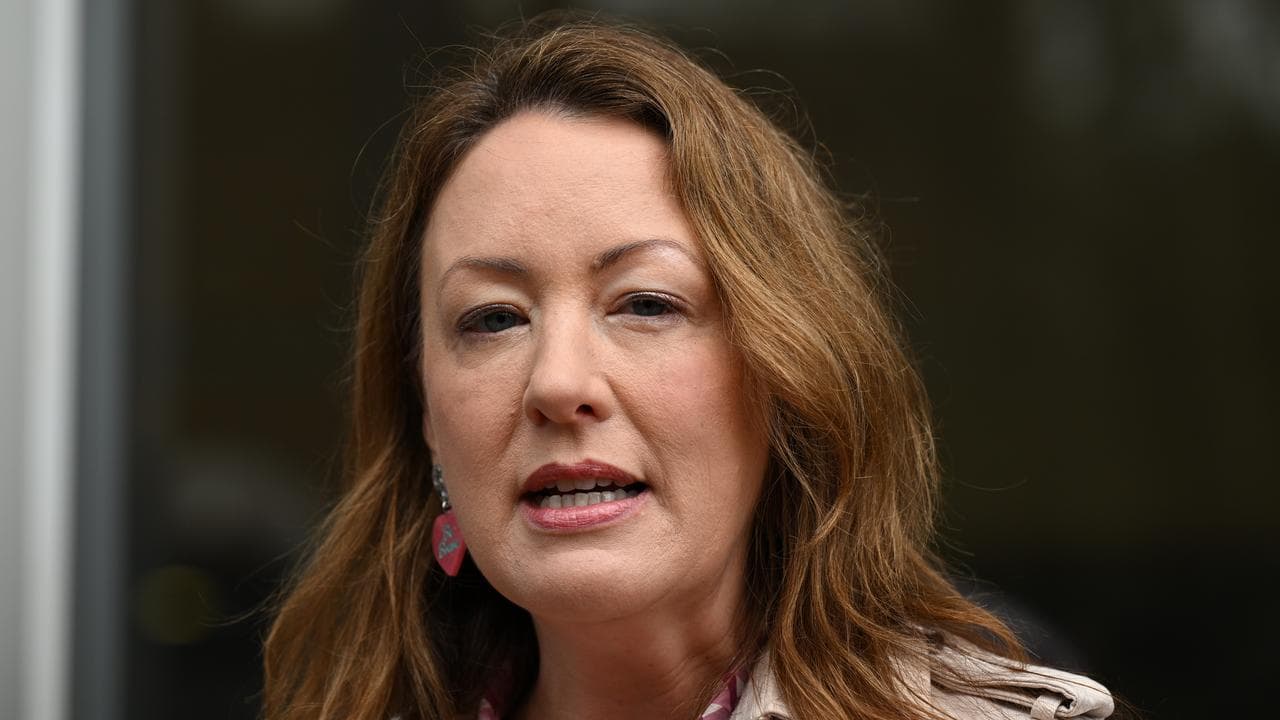
“Data centres are increasing greenhouse gas emissions right now as we speak,” she said.
She called for a moratorium on new data centre approvals, although that was voted down by Labor and Liberal MPs.
The NSW government has been contacted for comment.
Beyond environmental concerns, the inquiry recommended data centres be required to detail how much of the money they generate stays in Australia versus how much goes offshore to parent companies.
It also called for NSW to push for stronger national copyright laws after hearing about the impacts of AI on the state's creative industry.
Australian Writers' Guild chief executive Claire Pullen said it was under threat by generative AI using copyrighted creative work without consent.
"AI data centres will be used to host these models and this data made from my members' stolen work," she told the inquiry.


