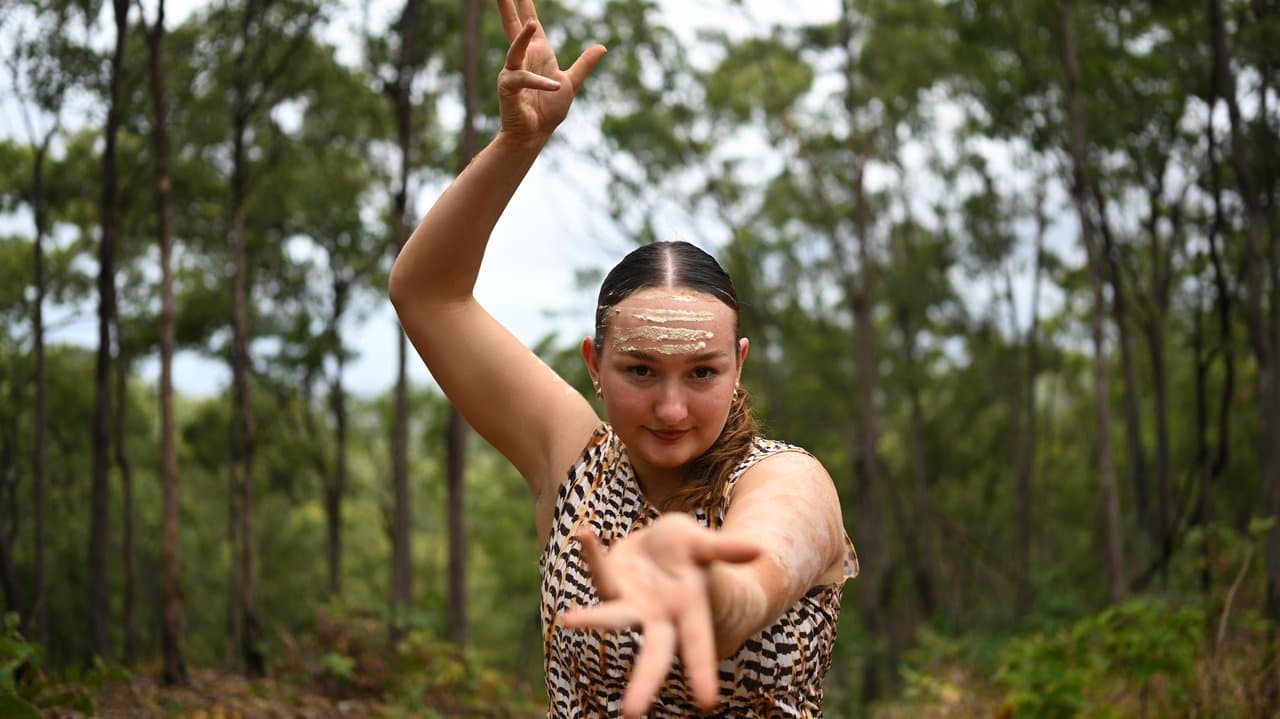
On Yolngu country at Garma, a kookaburra’s laugh isn’t just a sound in the trees – it’s a voice from another time.
For 18-year-old dancer Cleo Doyle, that call belongs to her pop, a proud Kamilaroi man whose life spanned the era of the Stolen Generations and the long fight just to be heard.
Her five-minute dance piece turns that familiar bush chorus into what she describes as a story of “family and love and our ancestors and how they shape us and guide us, even though they might not be here”.
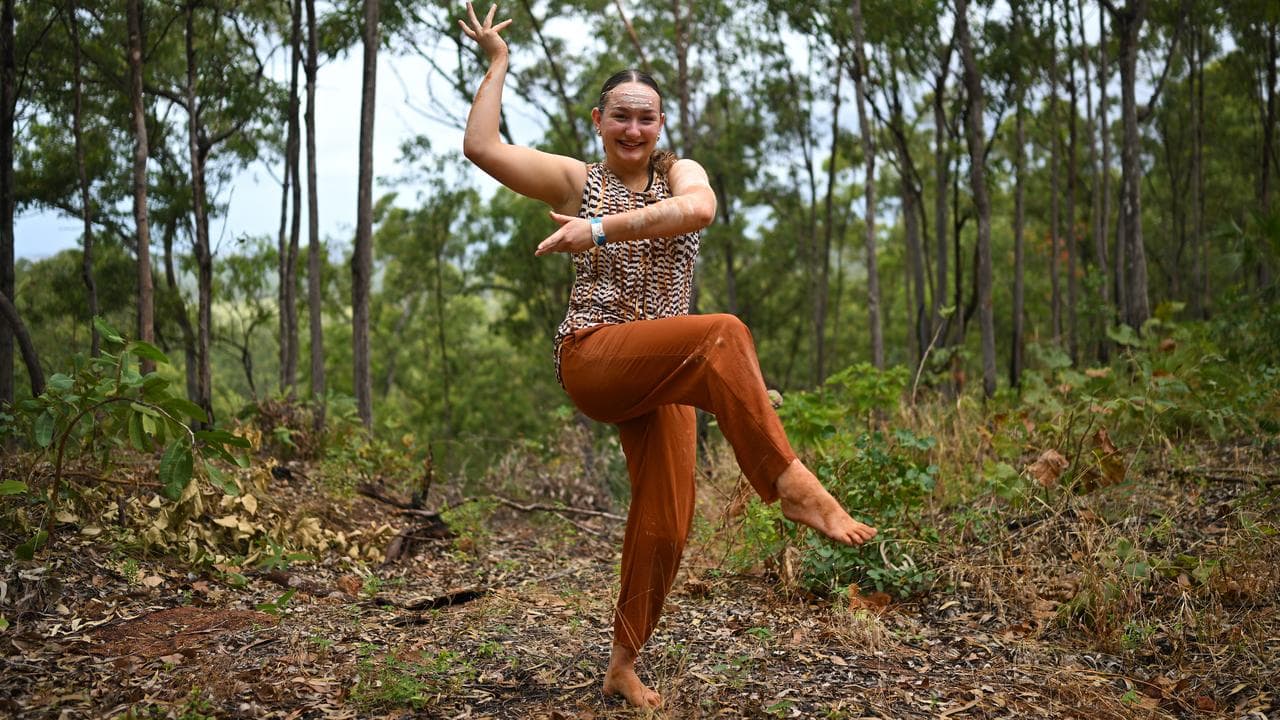
“This piece was inspired by my pop,” she told AAP.
“For Aboriginal people, our ancestors remain in Country in different ways, and for my family that’s through the kookaburra.”
Where some hear a harsh cry, Ms Doyle hears something else entirely.
“I don’t - it’s not a cry to me,” she says.
“It’s a call of love, and it’s a joy.”
Her grandfather, who passed about 15 years ago, lived through the heartache of the Stolen Generations and was denied a vote until he was 40.
“When he was here physically and present, he wasn’t able to use his voice,” Ms Doyle said.
“But now he uses his voice through Country to let me know he’s here … he always had a way of making things really joyful and special.”
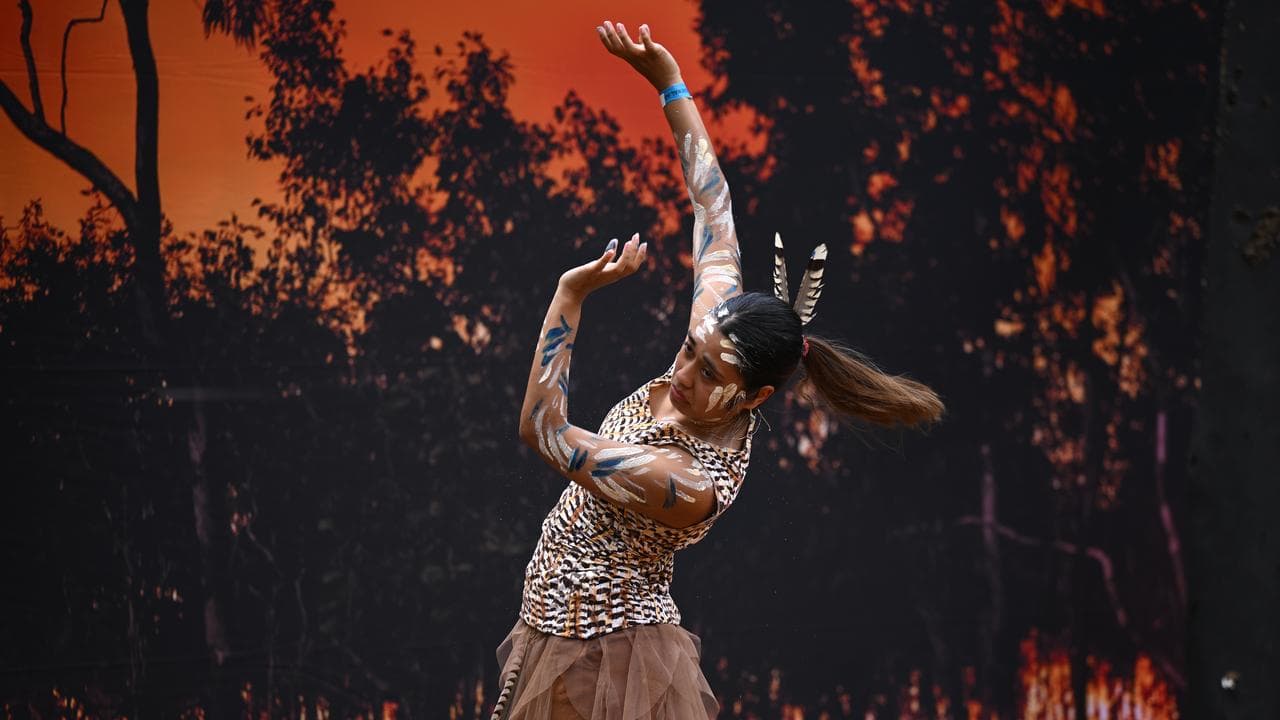
Garma, held each year at Gulkula in northeast Arnhem Land, is Australia’s leading Indigenous cultural festival.
It is a gathering of Yolngu clans, leaders, artists and politicians that has become a national stage for conversations about truth-telling, treaty and the future of First Nations peoples.
Against a backdrop of bungul (ceremonial dance), song, art and policy debates, Ms Doyle’s intimate and emotional performance is one of dozens of stories carried onto the red dirt.
The festival’s daily rhythms move from sunrise ceremonies and cultural workshops to forums on education, health and justice.
In that setting, Ms Doyle’s piece - created through the National Aboriginal and Islander Skills Development Association (NAISDA) - represents resilience, continuity and the power of young voices on Country.
For Ms Doyle, dancing is also a way to stay close to her mother - her pop’s daughter - and to honour a strong family line.
“For me, it’s all about how can I do my ancestors proud - this piece is about family and it’s about love."
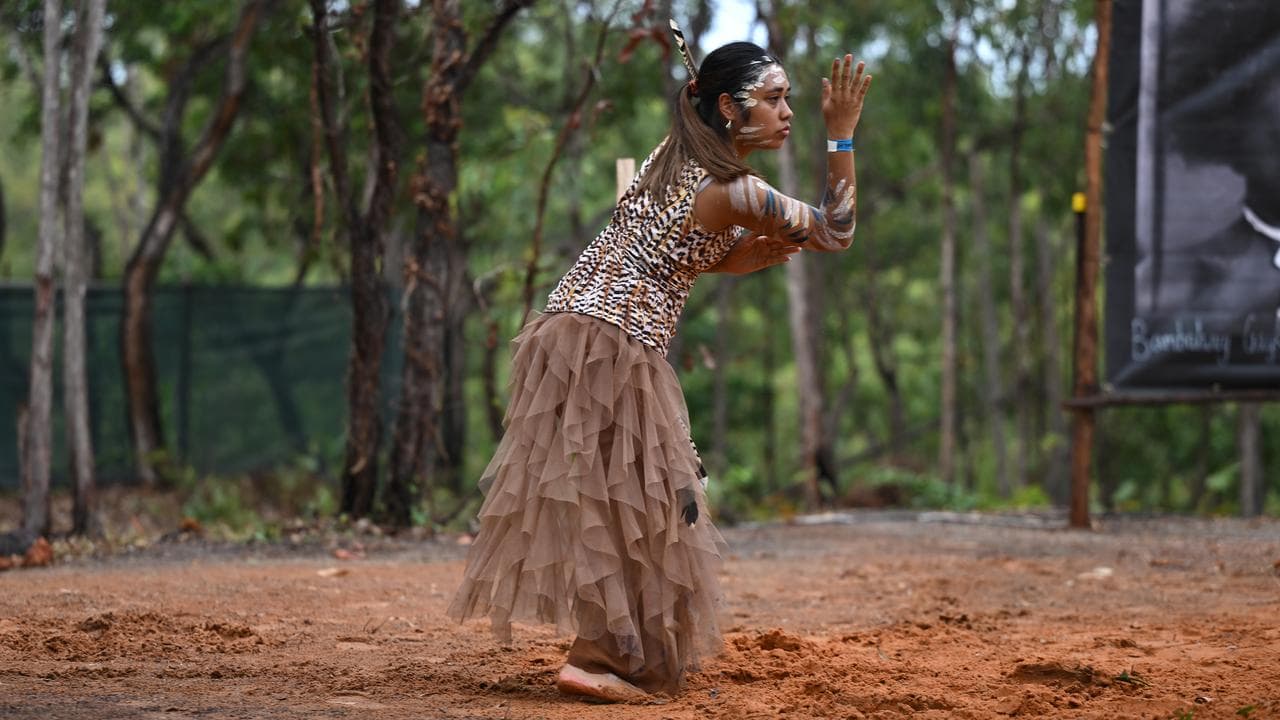
Now a first-year diploma student with NAISDA based on Darkinjung Country on the NSW central coast, Ms Doyle said performing at Garma was “a once-in-a-lifetime experience … to like, be able to share my own story and to be on Country”.
The teenager is already thinking about what comes next, not just for herself, but for those who will follow.
“Being so young too, it’s all about uplifting mob and the next generation,” she said.
“It’s really special to represent, you know, the young people.”
In her kookaburra dance, the bird is not a mascot but a messenger - a reminder that amid the speeches and policy talk, Garma is also a place where quiet, personal stories of survival and love are danced back into the national conversation.


