In the space of one month, a popular holiday destination faced two fire evacuations and flash flooding in between.
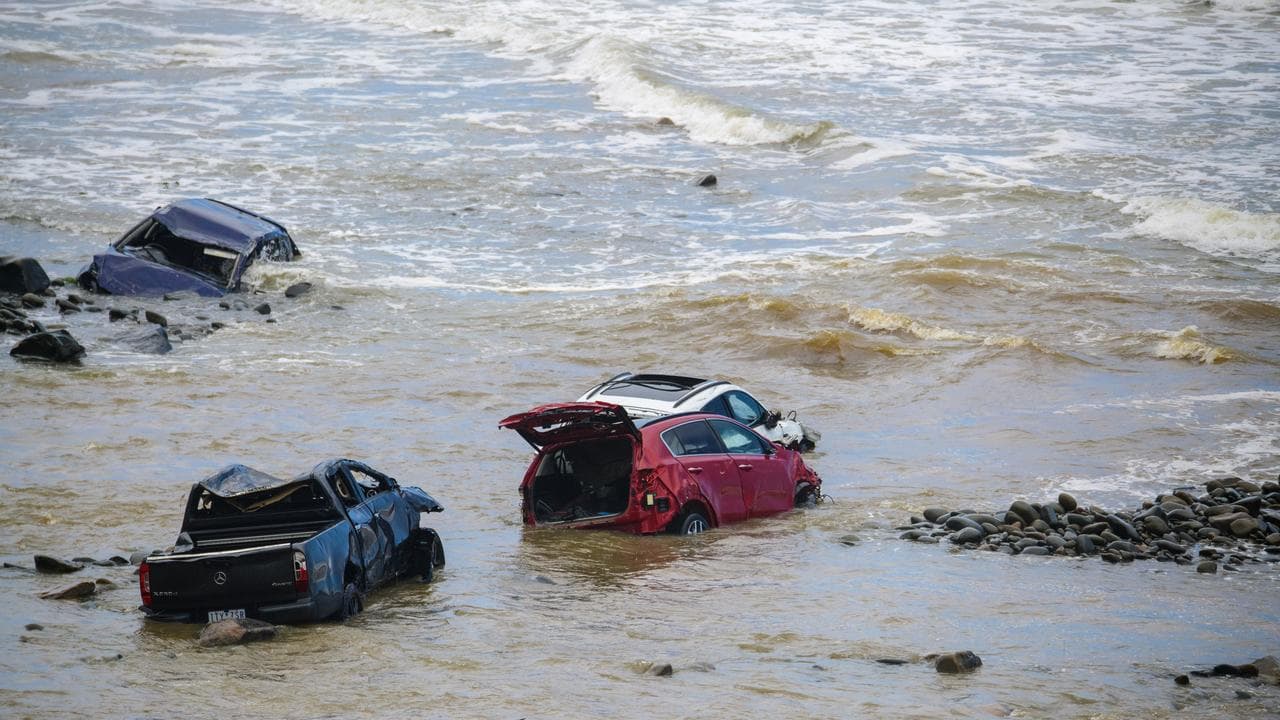
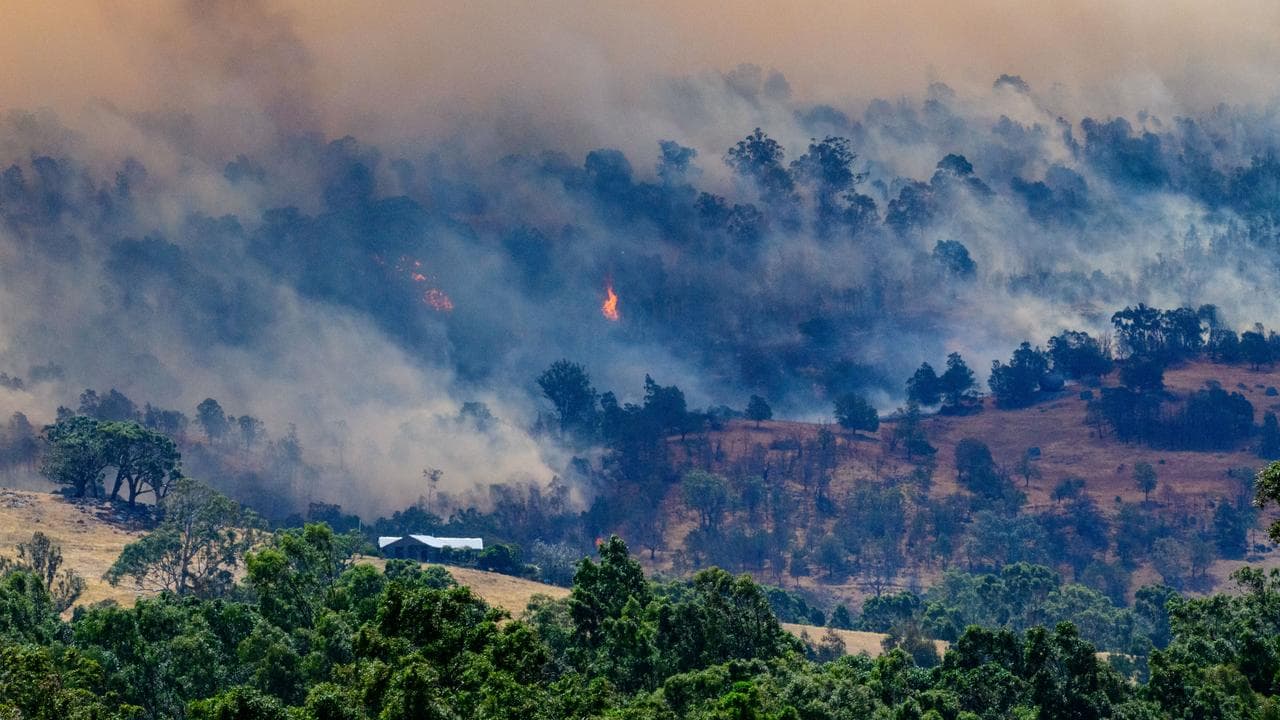
Communities along the Great Ocean Road sweltered through an extreme heatwave and bushfires in early January, followed by flash flooding that swept cars out to sea a week later.
In late January, residents and visitors were again urged to leave becvause of fire danger as state temperature records tumbled.
The Climate Council says the region experienced acute "climate whiplash", characterised by swings between weather extremes.
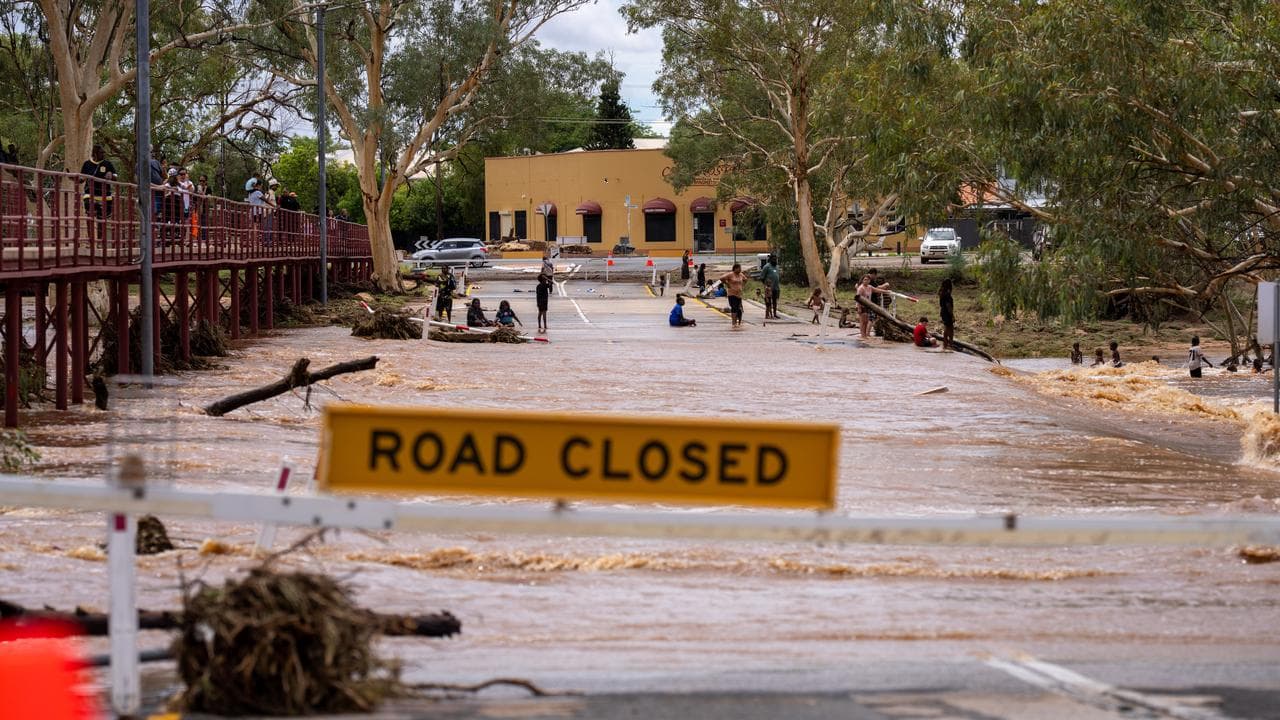
Disaster seesawing occurred nationwide during the summer, including in Western Australia, where the Eyre Highway closed because of fires before being cut by floods two days later.
Extremes also occurred outside usual conditions, including record-breaking heatwaves in south-eastern states that were not driven by hot, northerly winds from the desert.
The think tank's latest report says climate whiplash is accelerating as rising concentrations of greenhouse gases from burning fossil fuels heat the atmosphere.
Climate Council research fellow Linden Ashcroft said Australian summer weather had always been extreme but extra climate pollution in the atmosphere was supercharging erratic weather.
Changes in temperature differences between the tropics and the poles caused by global warming are understood to be driving climate whiplash.
Dr Ashcroft said Australia was in the firing line of the redistribution of energy from cold air moving north from the Antarctic and warmer air from around the equator drifting towards the South Pole.
"We've got more energy in our earth system than at any other time in human history and that means these events are packing more punch," the senior lecturer at the University of Melbourne told AAP.
Summer extremes are leaving a trail of destruction, including degraded ecosystems, lost property, dead livestock, higher insurance premiums and stressed council budgets.
The Mid Coast Council in NSW, for example, has applied for disaster recovery funding from state and federal governments 16 times since 2019.
Between 2019 and 2024, insurance companies paid out an average $4.5 billion a year - more than double the annual average in the previous 30 years.
Dr Ashcroft said the horrors of the 2025-26 summer occurred during a La Nina, a pattern in the Pacific Ocean typically associated with cooler, wetter weather.
Australia still had its fourth-hottest year on record despite these cooling conditions.
The threat of an El Nino summer, associated with warmer, drier weather across Australia, concerns Dr Ashcroft, given the extremes experienced under the heating baseline climate.
March and April are typically when the Pacific Ocean system "resets" and it becomes clearer whether El Nino or La Nina conditions can be expected from May.


