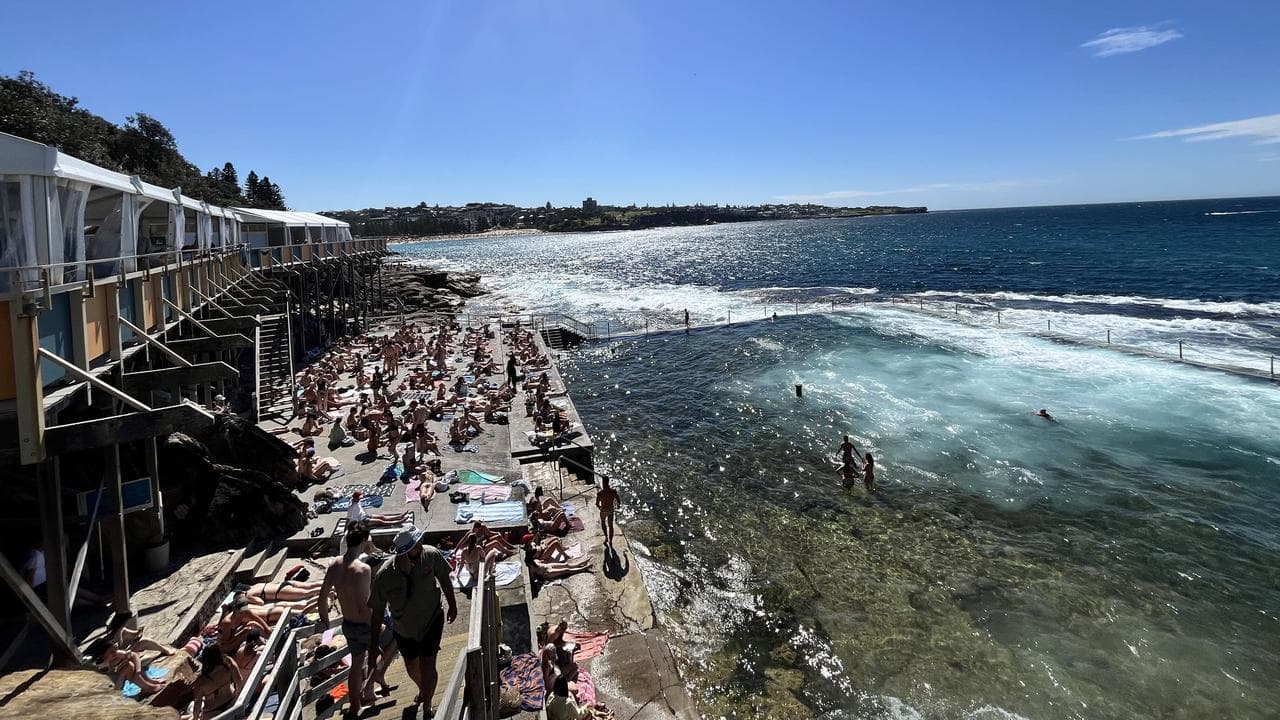
The summer heat has arrived early across much of eastern Australia with temperatures climbing into the 30s and marking a record warm start to spring.
Suburbs across Sydney reached 33C by 2pm on Saturday, smashing average September records by 13C.
Maximum temperatures across the city during the first days of September matched the midsummer average of 26.4C, warmer than any other start to spring since the Observatory Hill station opened in 1858.
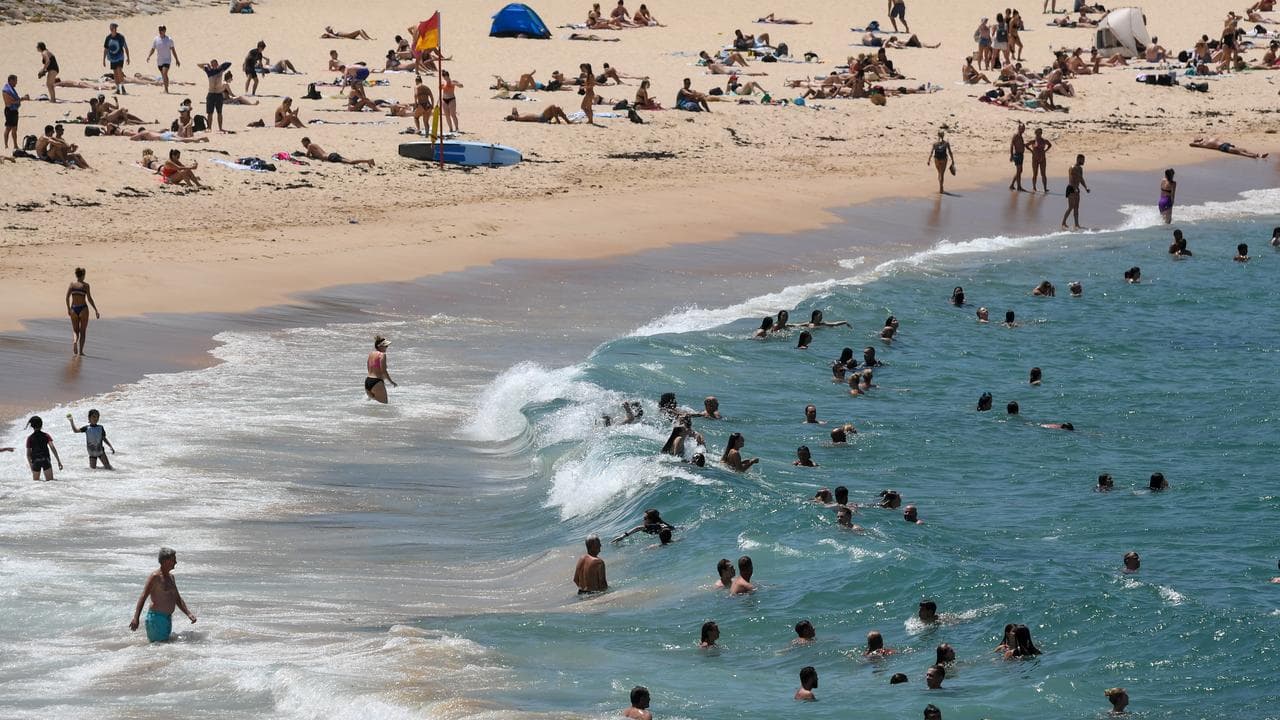
Brisbane also experienced a sweaty start to the season with temperatures hitting 28C.
Meteorologist Tom Saunders said a gusty north-westerly airstream blowing south from the northern interior was behind the unseasonably warm temperatures.
"Temperatures this spring will average as much as three degrees above the baseline from recent decades, potentially the hottest spring on record," he told ABC News.
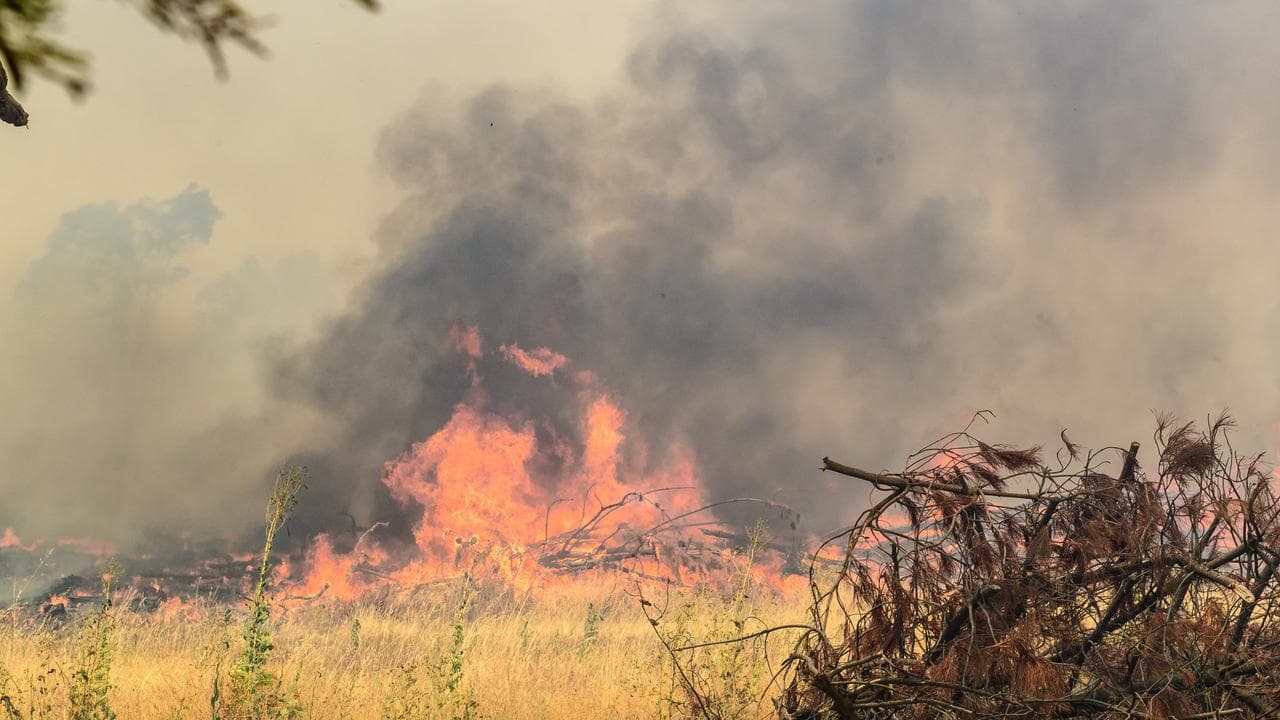
The warm, dry and windy conditions caused fire dangers to spike.
A total fire ban was in place for the greater Sydney region, after an extreme fire danger was forecast.
As of 3pm on Saturday, three fires were listed as burning but under control and at advice level in NSW.
Fire and Rescue NSW Commissioner Jeremy Fewtrell urged people to check their smoke alarms to protect themselves and their property this fire season.
“Smoke alarms provide crucial early warnings and give people the best chance to escape safely in an emergency," he said.
Across the border in southern Queensland, temperatures peaked in the mid-30s in another unseasonably warm start to September.
At least three fires were burning across the state, though all appeared to be under control.
Brisbane's temperature is set to climb to 33C on Sunday.
The Bureau of Meteorology predicts above-average temperatures for much of the country in the next few months.
"But we do have cooler weather on the way," meteorologist Jonathan How said.
"Heading into Sunday, we'll see that cooler change pushing up the coast, reaching Sydney in the middle of the day."


