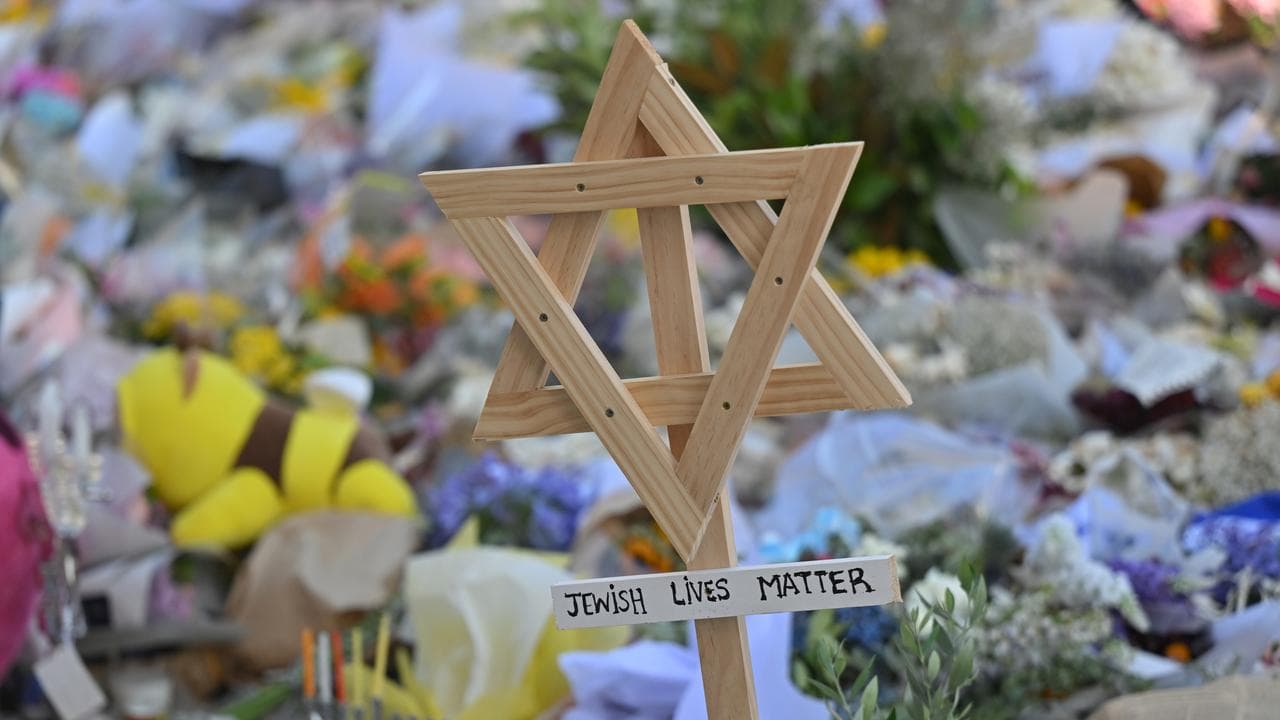
Every sector and community in Australia needs to show leadership to push anti-Semitism back out to the margins, a government official has told a royal commission.
Home Affairs Department secretary Stephanie Foster said government policies would have no impact without the support of faith, business and community leaders.
"The way leaders speak or don’t speak about social cohesion, the way they do or don’t respond to inappropriate or abhorrent behaviour in their organisation matters an awful lot," she told the commission on Monday.
"If we’re going to advance social cohesion in Australia … to push anti-Semitism back out to the margins, we're going to need every sector, every community around Australia to be showing leadership in this respect."
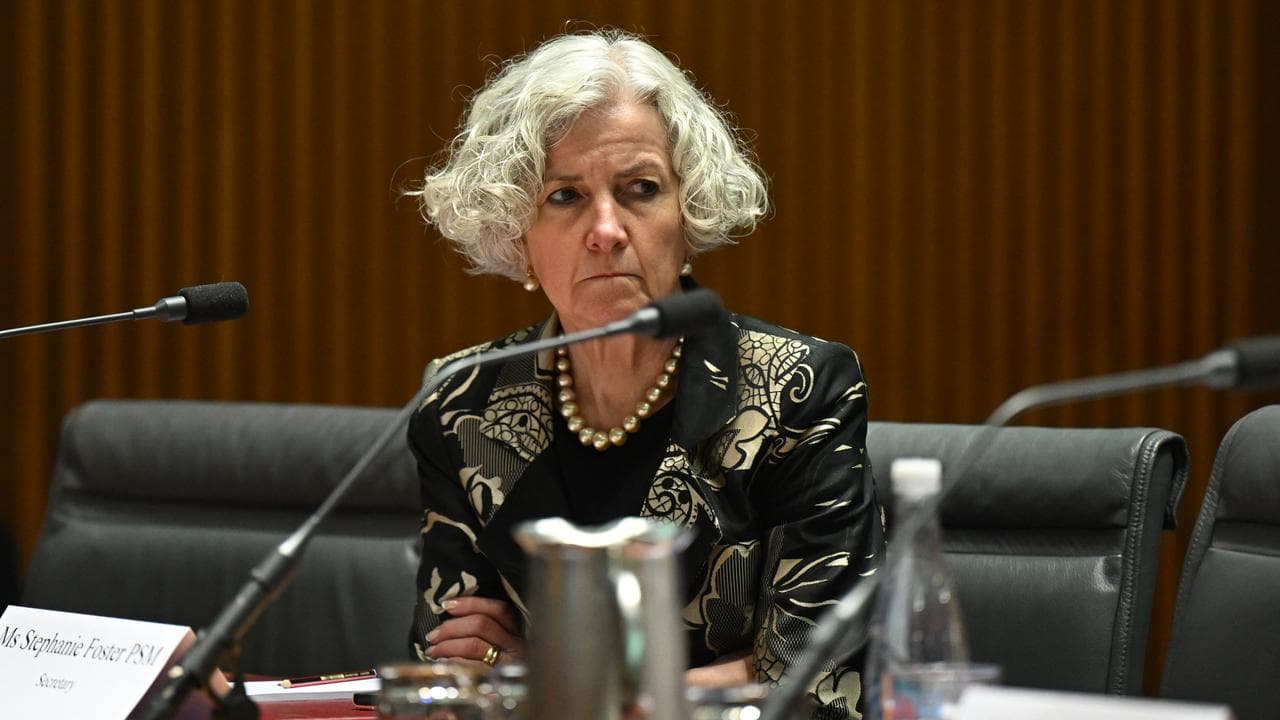
She recommended a mechanism to bring different leaders together to come up with initiatives to improve social cohesion.
Earlier, City of Melbourne Lord Mayor Nicholas Reece said social cohesion frayed in Melbourne, home to Australia's largest Jewish population, after the October 7 attack by Hamas on Israel.
A spike in anti-Semitic graffiti and other materials in the city prompted the council to introduce a system allowing people to report offensive material at any time of the day or night, he said.
Contractors then aim to remove the material within one hour.
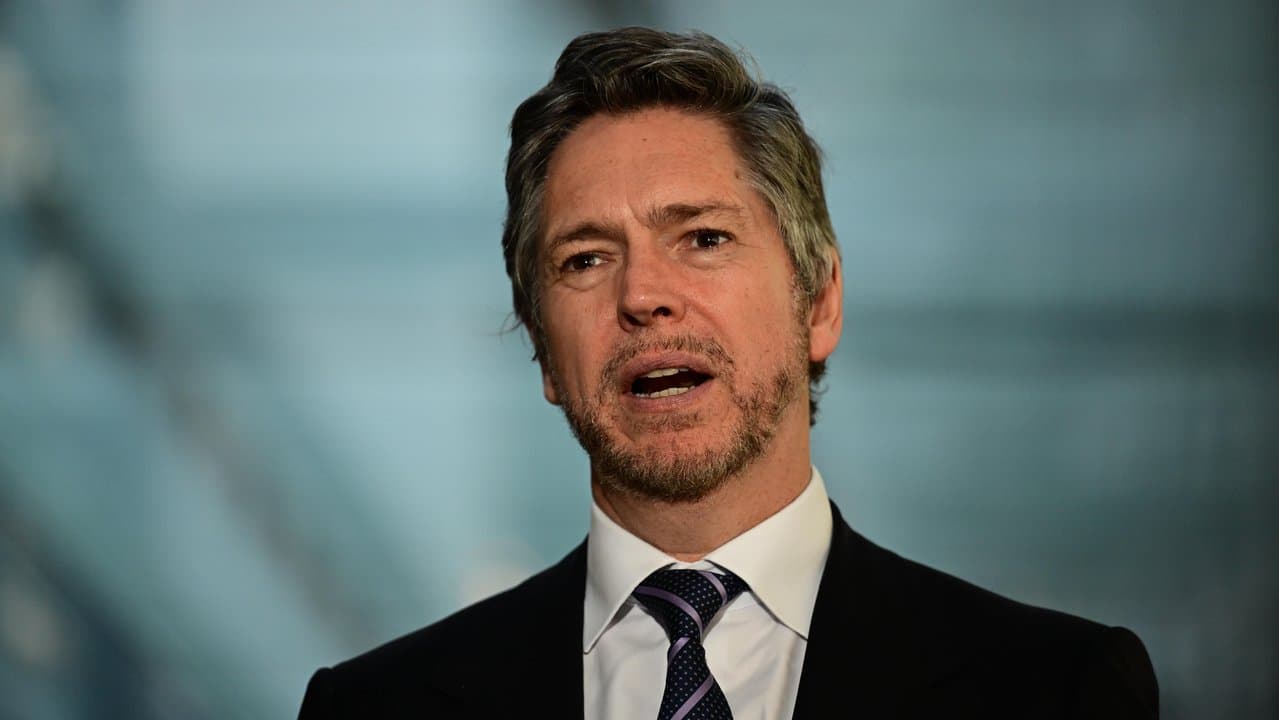
Mr Reece said 800 to 1000 pieces of anti-Semitic material, covering almost 4000sq m, had been removed since the initiative started about two years ago.
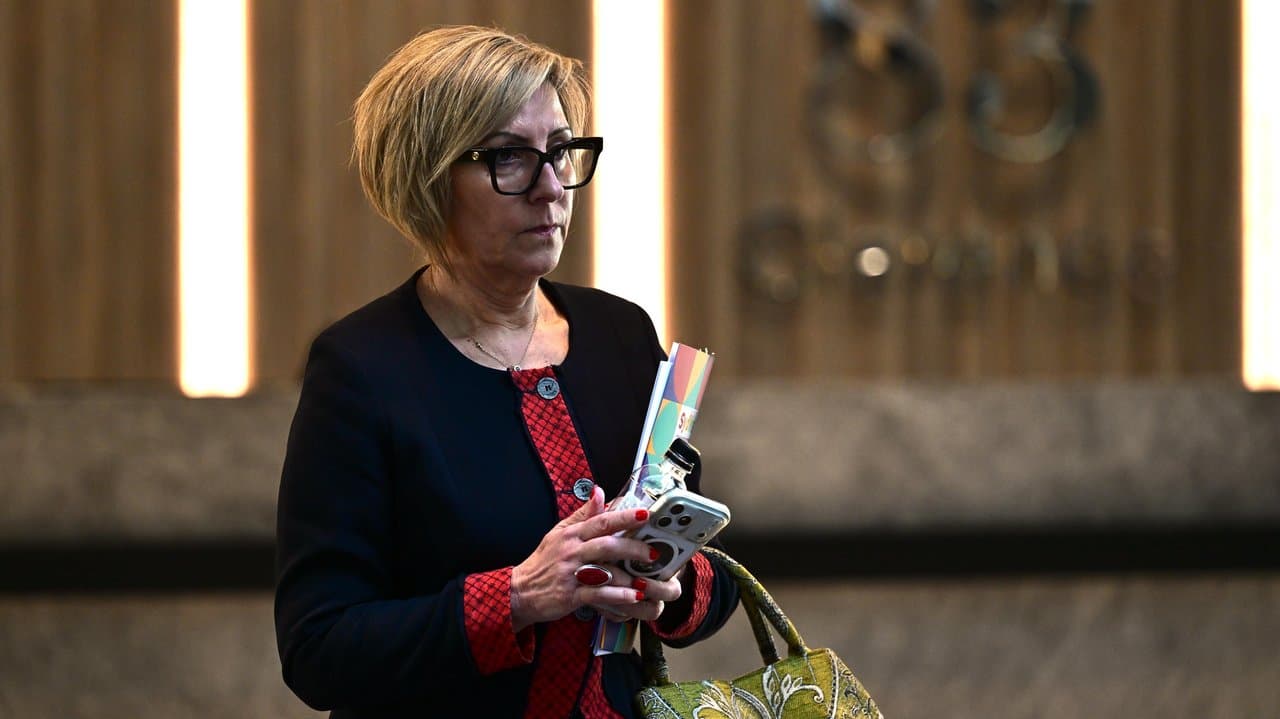
SydWest Multicultural Services head Elfa Moraitakis said the Bondi attack had created unease in western Sydney's Muslim community.
She said some Muslims, particularly women who wore a hijab, stopped going to work due to fear.
"Post-Bondi, unfortunately, specific communities were used as scapegoats," Ms Moraitakis said.
"They were used as part of the political debate and this made people very uncomfortable."
Advocates and coalition MPs have been calling for the commission, which began its final week of hearings on Monday, to be extended, saying it has not gone far enough in interrogating what led to December's Bondi Beach attack.
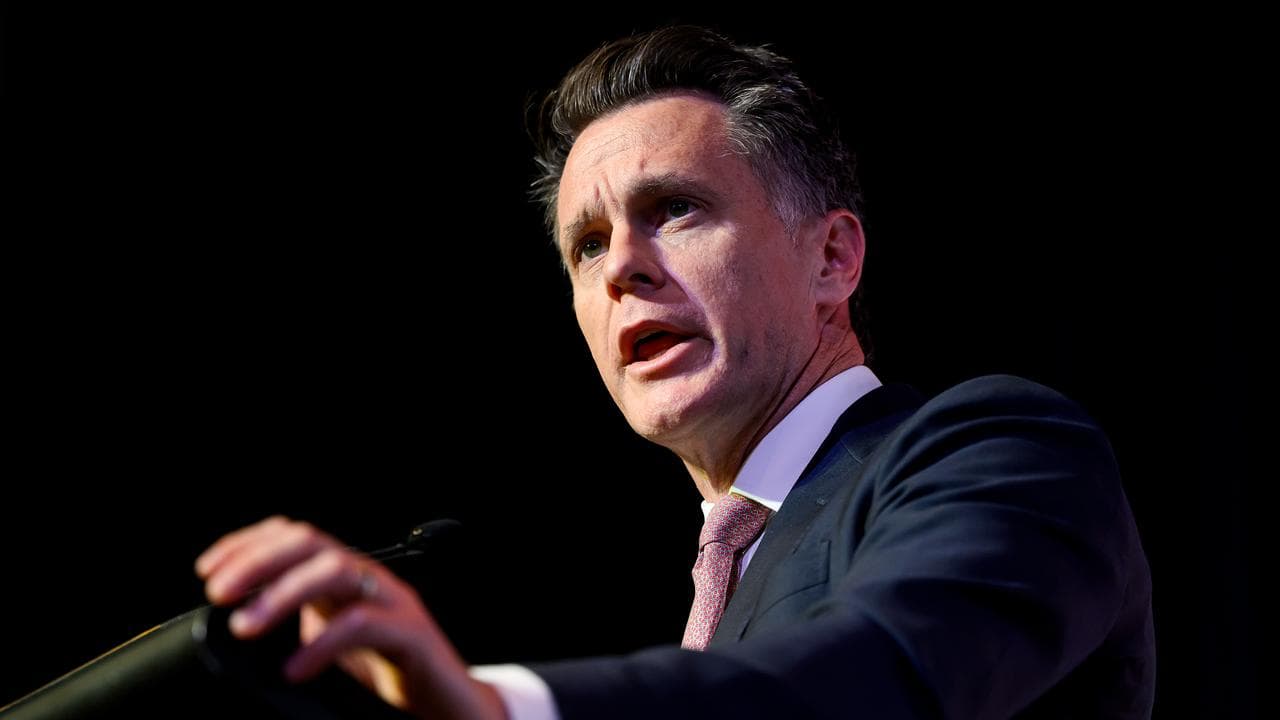
NSW Premier Chris Minns threw his support behind the push, telling reporters an extension of hearings "by a couple of weeks" would be money well spent.
"We are using this royal commission to get to the fundamental truths of what happened on the day, and also what happened in the lead-up to that day, particularly around anti-Semitism," he said.
The coalition's home affairs spokesman Jonathon Duniam also backed an extension.
"If the royal commission is to be able to provide us a full and frank assessment of where we as a country went wrong, they do need to canvass all areas of policy and decision-making," Mr Duniam told ABC Radio.
Asked at a press conference on Monday whether the royal commission had curbed anti-Semitism, Prime Minister Anthony Albanese said he would allow the inquiry to do its work.
Lifeline 13 11 14
beyondblue 1300 22 4636


