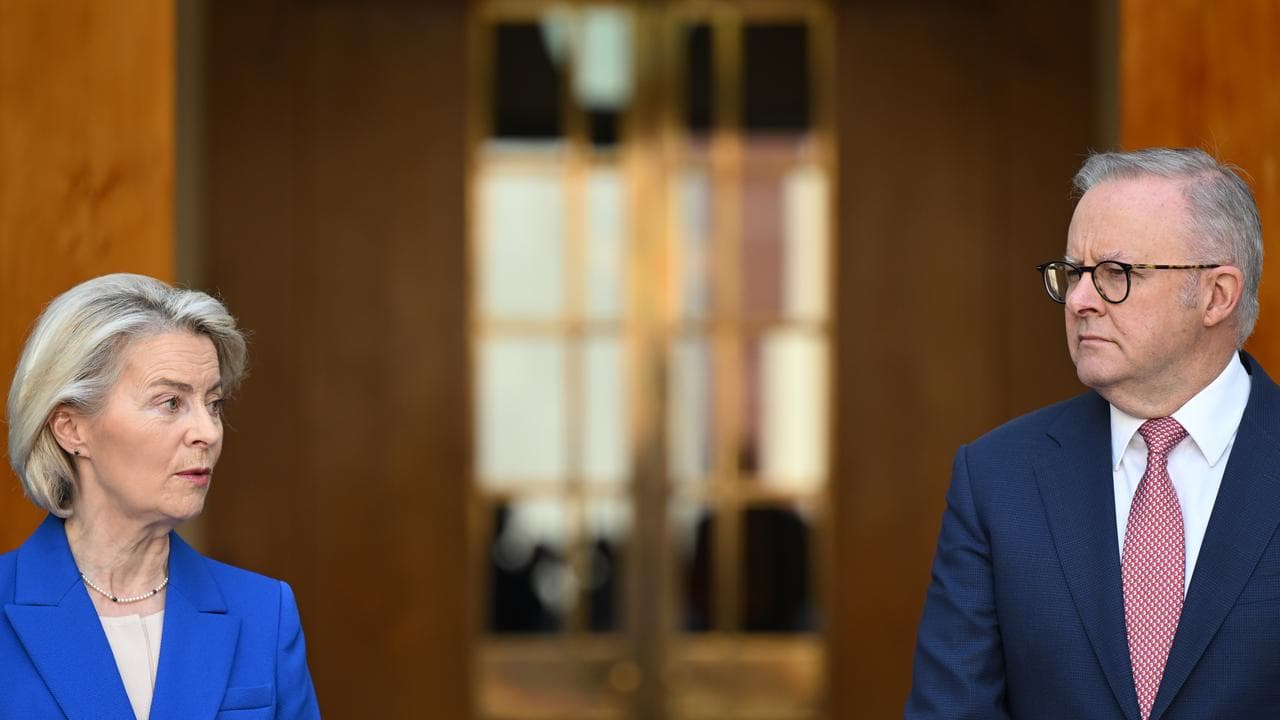
Australia has been urged not to miss a "never-to-be-repeated" opportunity as opposition to a blockbuster free trade agreement with the European Union solidifies.
Canberra inked the deal with the European Union in March after eight years of negotiations.
It would lock in cheaper European food, wine, cars and clothes, and smoother access to one of the world's largest economic blocs which the government says could be worth up to $30 billion in trade.
Europe would in turn ditch or phase out tariffs on Australian food, critical minerals and manufactured products.
But debate has erupted over whether farmers and steelmakers are any better off under the accord, and over allegations the EU has railroaded Australia with a raft of unequal terms.
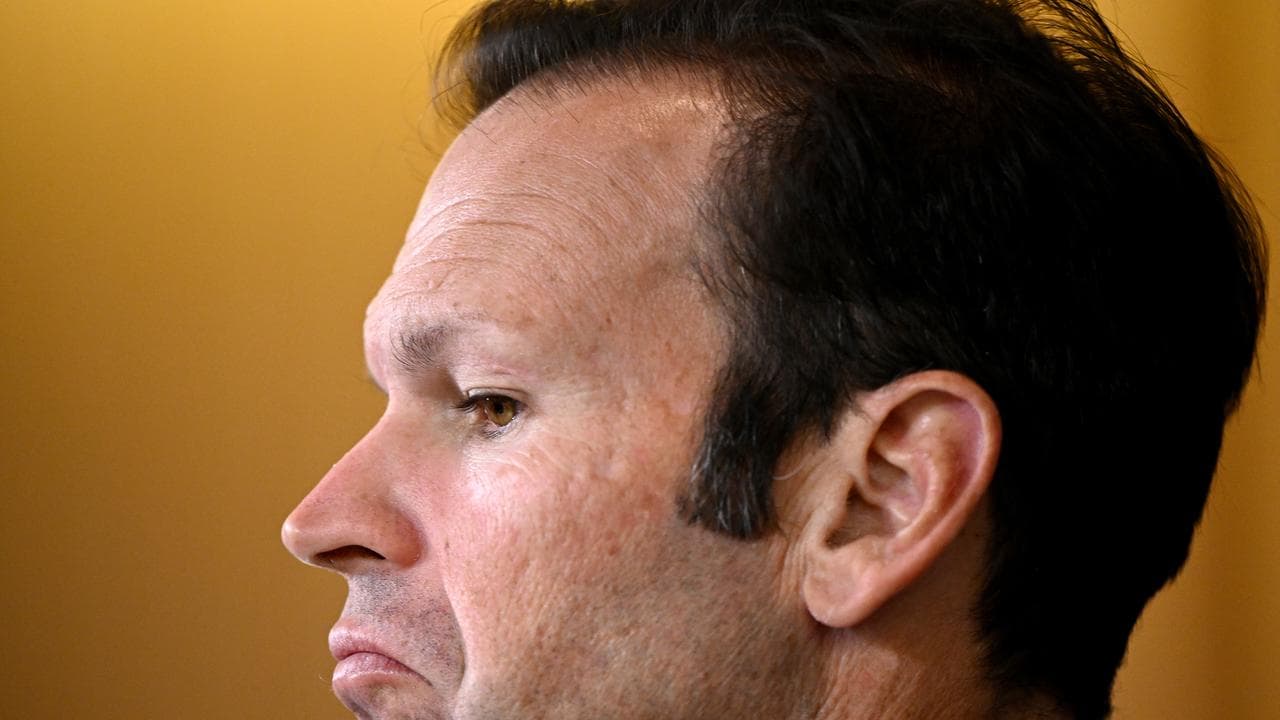
The coalition now appears set to oppose the agreement, after Nationals leader Matt Canavan vowed they would block it during debates to ratify it in parliament.
But former Liberal Finance Minister Mathias Cormann on Monday urged his former colleagues to vote in favour.
"Is there a better deal? I would put that the realistic assessment is that right now there isn't," he said during an event on the Gold Coast, arguing Australia should "bank the benefits" of what was on the table.
"If we don't do this now, we have another 10 years of essentially the same bad access that we have now, and others like New Zealand will continue to cut our lunch."
Vegetable growers, who are set to have most levies on their products wiped under the agreement, urged politicians to seize a rare chance.
“The European FTA is one of those rare, and possibly never-to-be-repeated opportunities," its chief executive Michael Coote said in a statement on Monday.
"Just like with the immigration debate, a populist stampede to stop this Free Trade Agreement risks severe collateral damage to Australian vegetable growers, and our national food security."
The organisation highlighted Australian onion trade to Europe plummeted by almost half when the New Zealand-EU free trade agreement entered force in 2025.
But beef farmers have argued their cut of the deal gives them only lacklustre access to a market awash with subsidised agriculture, and steelmakers have grumbled over a lingering 50 per cent tariff on their exports to Europe.
Opponents have also raised eyebrows at a legal obligation for Australia to meet climate targets baked into the deal.
"We support free trade, and we particularly believe when it advances Australia's national interest, the problem with the ... (is) that it doesn'tt advance the interests of Australian agricultural producers," opposition treasury spokesman Tim Wilson told ABC News on Monday.
Without the coalition or the Greens, who have so far refused to guarantee their support, Labor cannot put the agreement through the Senate as required to ratify.
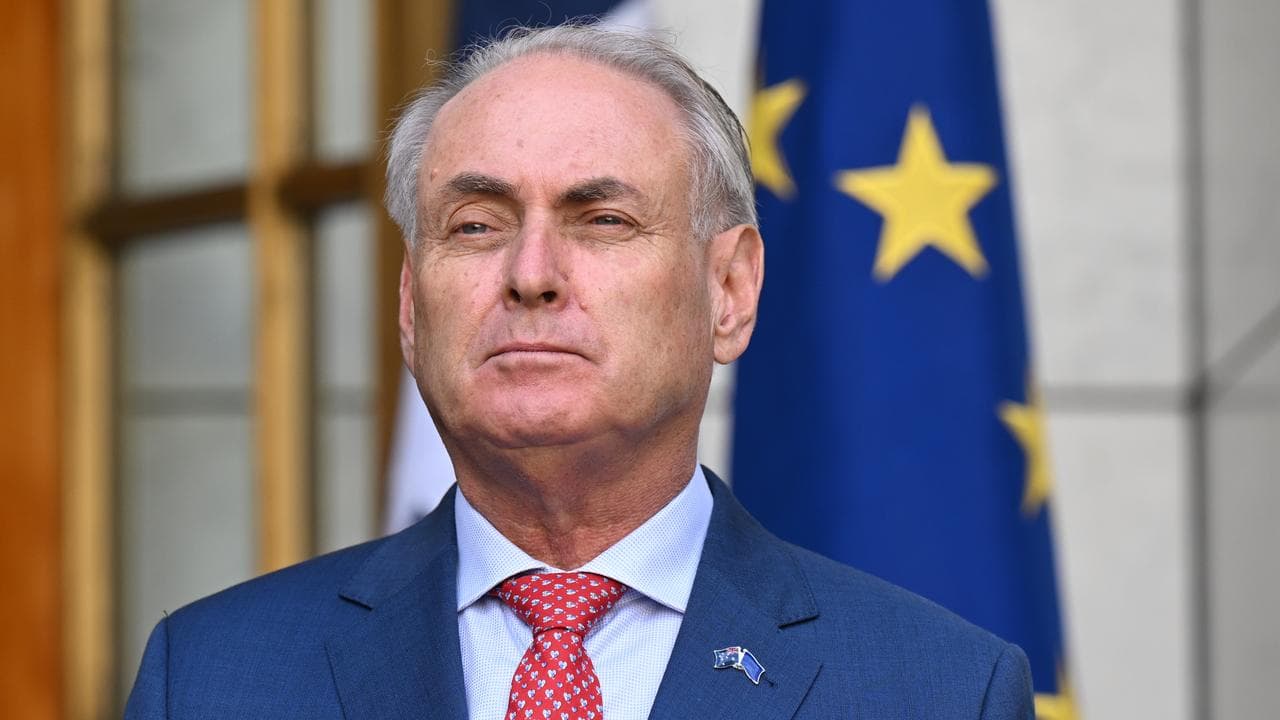
Backing away from the deal now would be "economic self-harm", Trade Minister Don Farrell said on Monday, accusing Liberal Leader Angus Taylor of letting himself get pushed around by his junior coalition partner.


