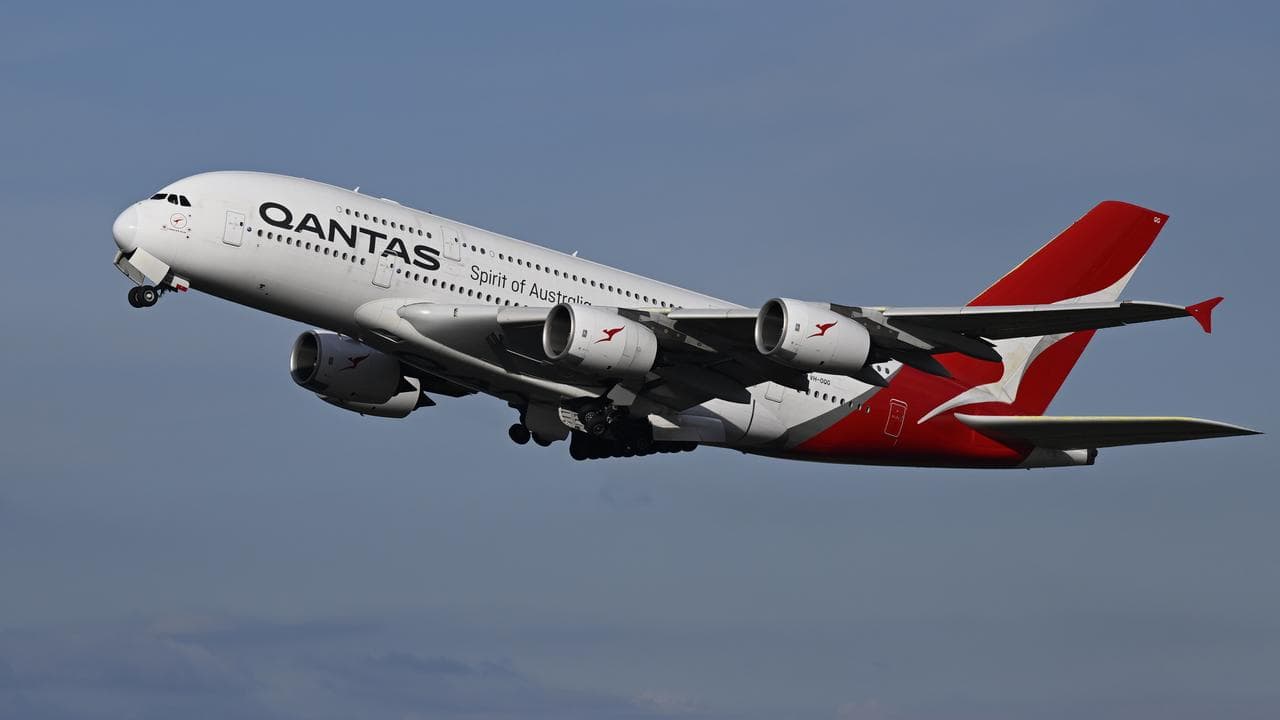
Two major aviation companies are among those investing $30 million in a North Queensland project designed to kickstart Australia’s low-carbon liquid fuels industry.
Jet Zero Australia revealed the results of its third funding round on Monday, bringing total funding for its Townsville alternative fuel project to more than $80 million.
The announcement comes weeks after the federal government launched a consultation into measures to drive demand for low-carbon liquid fuels, including whether their use should be mandated.
Low-carbon fuels can be made from renewable resources such as agricultural and forestry waste, and can reduce emissions from hard-to-abate industries such as aviation, shipping and heavy transport.
Jet Zero’s project, called Project Ulysses, is designed to produce up to 113 million litres of sustainable aviation fuel and renewable diesel each year, with production anticipated in 2029.
Qantas and Airbus were among the investors in its third funding round, managed by Barrenjoey, that generated $30 million in investment.
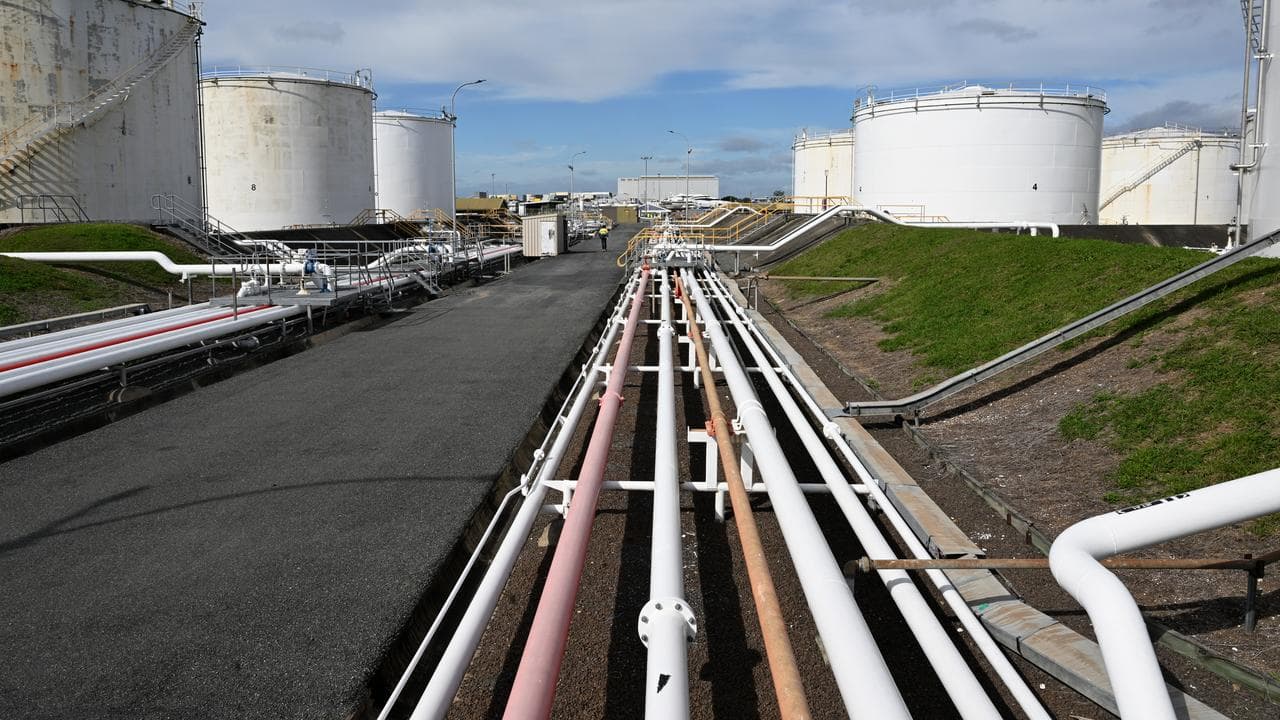
South Korean energy manufacturing firm POSCO International also invested in the project, Jet Zero chief executive Ed Mason said, and would explore fuel offtake and feedstock opportunities.
“Some organisations will buy low-carbon liquid fuels, others will invest in building the industry,” he said.
“We are fortunate to be backed by organisations committed to doing both.”
The latest investments would help to fund the project’s front-end engineering design, with a final investment decision yet to be made.
The project has secured final development approval for its proposed Townsville site, however, where construction is expected to employ about 1000 people over two years.
The funding round represented another step closer to local green fuel production, Qantas chief sustainability officer Fiona Messent said, and reducing pollution from air travel.
“Establishing domestic (sustainable aviation fuel) production in Australia will support fuel security, create jobs and help aviation and Australia meet its decarbonisation objectives,” she said.
“Australia has the feedstock and the industry support to refine SAF here, and companies like Jet Zero can help put that to work.”
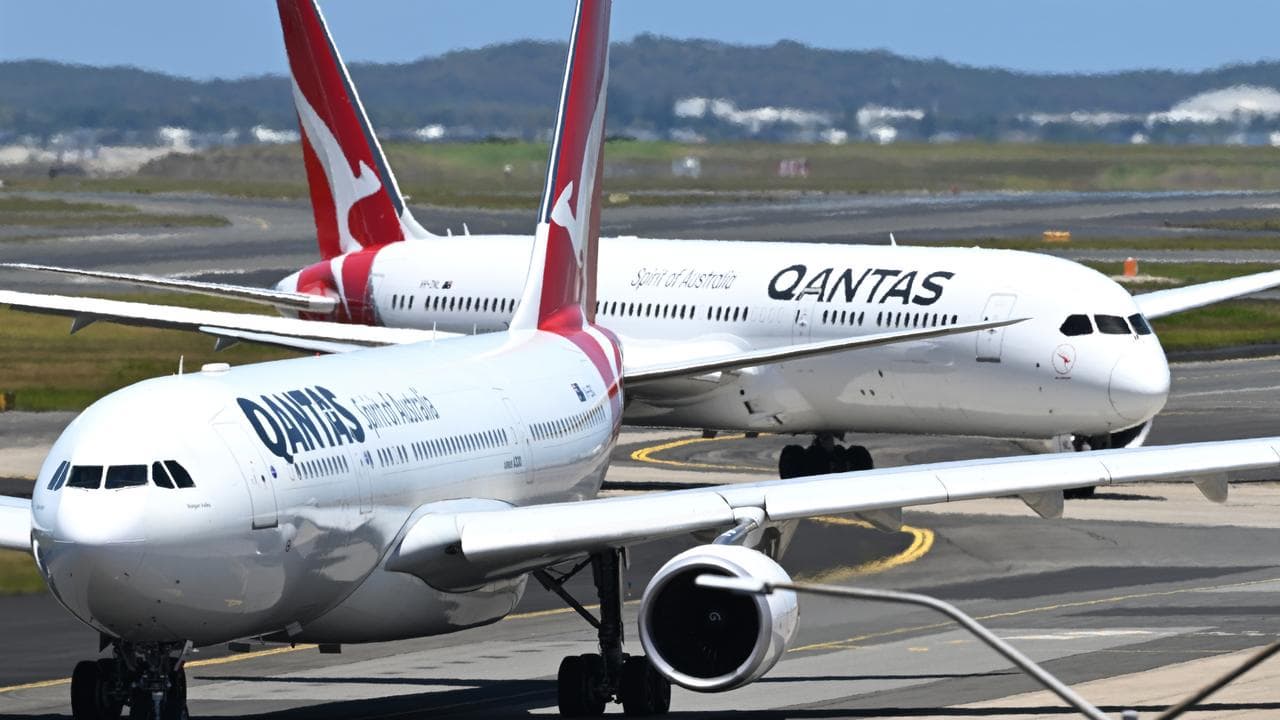
Qantas has committed to using sustainable aviation fuel for 10 per cent of its jet fuel consumption by 2030, equivalent to about 600 million litres.
But the International Air Transport Association revealed that production levels were disappointing so far, and would represent less than one per cent of global aviation use in 2026.
Other low-carbon liquid fuel projects proposed for Australia include developments in Gladstone, Toowoomba, Bundaberg and Brisbane in Queensland, and another across South Australia and Victoria.
The CSIRO found Australia could play a major role in low-carbon liquid fuel production, with the potential to generate between $6 billion and $12 billion a year in direct economic benefits.


