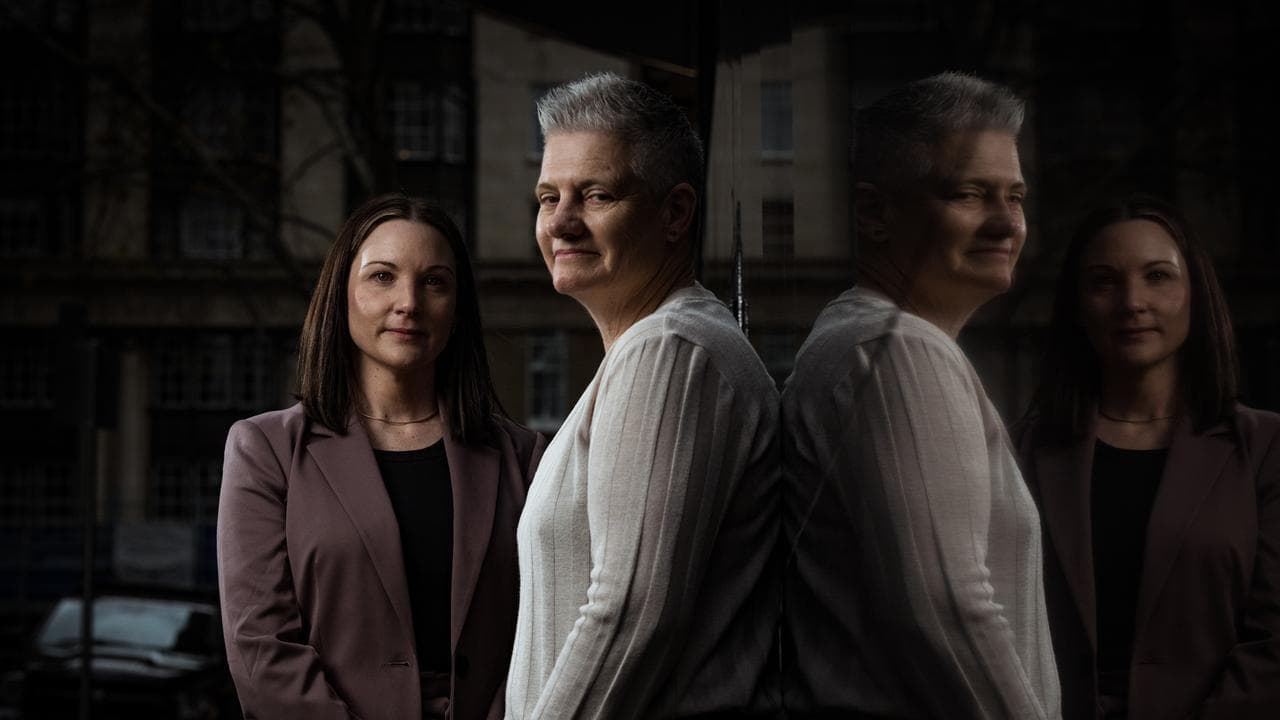
Young people experiencing intimate partner violence are being failed by a system that lacks behavioural change programs targeting boys.
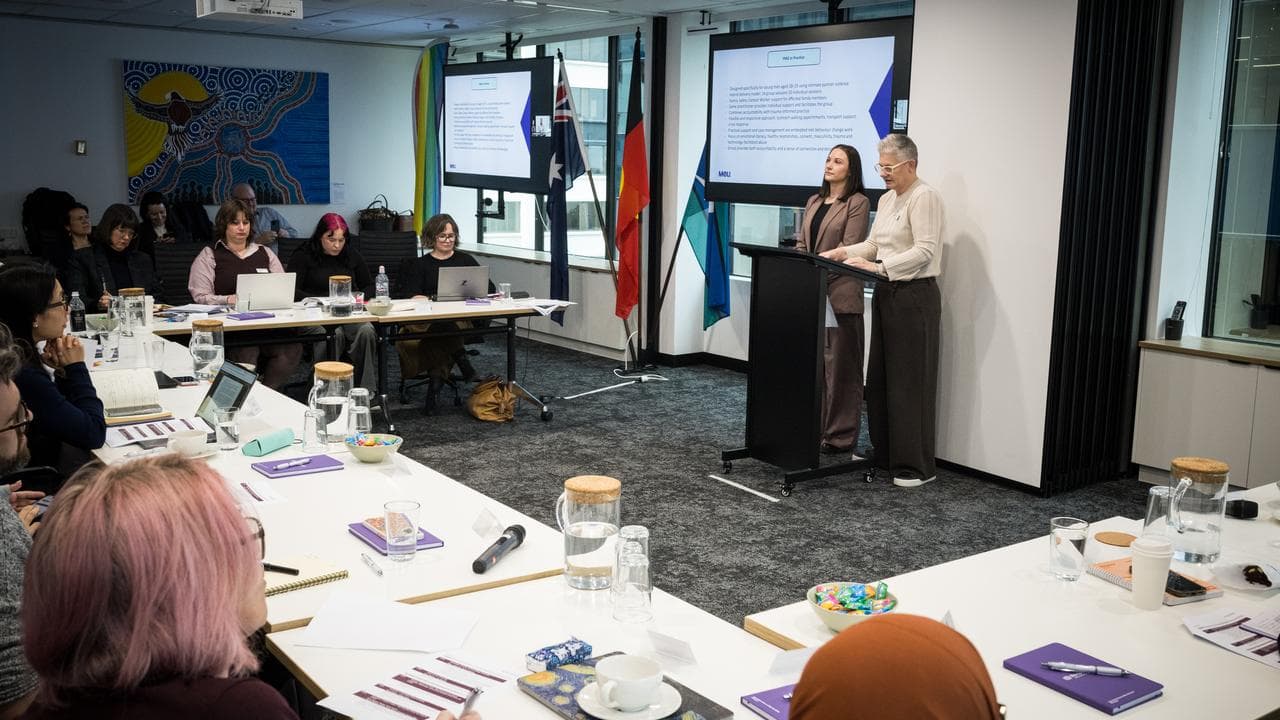
This was a key takeaway from a national roundtable on one of the least-understood areas of family violence: young people who use and experience intimate partner violence.
The event came a week after 13-year-old Layla Jeffery was found dead in Victoria, with a 16-year-old boy known to her charged with murder.
It also followed a growing national conversations on gender-based violence amid the deaths of four women and girls in as many days.

"It feels particularly timely that we're having this conversation today," No to Violence research lead Lisa Wheildon told the event in Melbourne, which brought together advocates, researchers and frontline specialists on Thursday.
She said young men who used intimate partner violence required a different approach to adults, but most programs have been developed for older men.
"There's limited specialist services for this cohort, creating an urgent need to scale up work across the country," she said.
RMIT researcher Riley Ellard, who has been studying the limited services available, says systems are "failing young people across the board".
"We’re not keeping them safe, we’re not responding when they proactively help-seek, we're not helping them to process and heal and recover from their experiences of violence," she said.
"And we're not intervening early enough if and when they go on to use violence themselves."
Associate Professor Ellard said young people reported feeling their experiences of violence were minimised or not taken seriously, and they were expected to navigate a system built for adults.
"We infantilise them and expect them to navigate adult systems when seeking help," she said.
"They're young people and the way we respond has to be really different."
She labelled current responses to intimate partner violence for young people as "the wild west" with ad hoc philanthropic funding for pilot programs rather than a more systematic approach.
Assoc Prof Ellard said practitioners told her their response to boys using violence was to send them to adult men's behavioural change programs when they turned 18.
"So we're missing this opportunity for earlier intervention," she said.
"But we're also putting 18 year olds ... into a group format with older adults whose attitudes and belief systems and behaviour may be more entrenched."
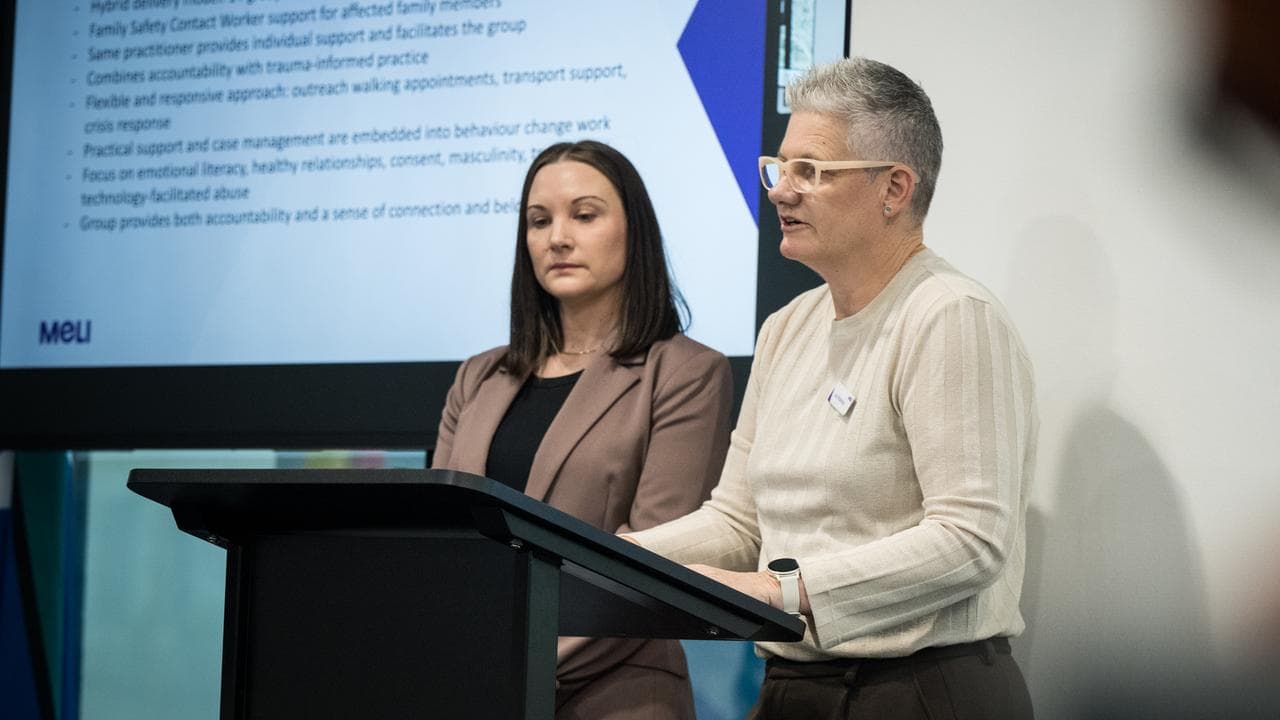
Support service Meli, which runs a pilot program in Geelong for men aged 18 to 35 who have used intimate partner violence, shared their findings.
"One of the strongest findings was the importance of helping young men identify and name emotions, so it's not just about being mad, angry, shit, happy," Meli family violence manager Kristy Berryman said.
She said many of the men involved in the program were significantly disadvantaged and had their own trauma history, adding we "cannot ignore that trauma and accountability can co-exist".
The philanthropically-funded program also demonstrated the importance of having wraparound support available for young men, including mental health, drug and alcohol, and housing services, she said.

Hannah Klose, eSafety Commissioner youth council program advisor, discussed her research into how location tracking and constant texting and online communication had become normalised among younger people.
She outlined an example of a woman whose stalking began via LinkedIn and led to the perpetrator appearing outside her workplace.
"This account's really powerful because it just illustrates how tech-based coercive control can escalate to physical environments," she said.
Australian policy-makers were among viewers of the roundtable online on Thursday, and facilitators hope the discussions will lead to meaningful investment.
1800 RESPECT (1800 737 732)
Lifeline 13 11 14
National Sexual Abuse and Redress Support Service 1800 211 028
Lifeline 13 11 14
Fullstop Australia 1800 385 578


