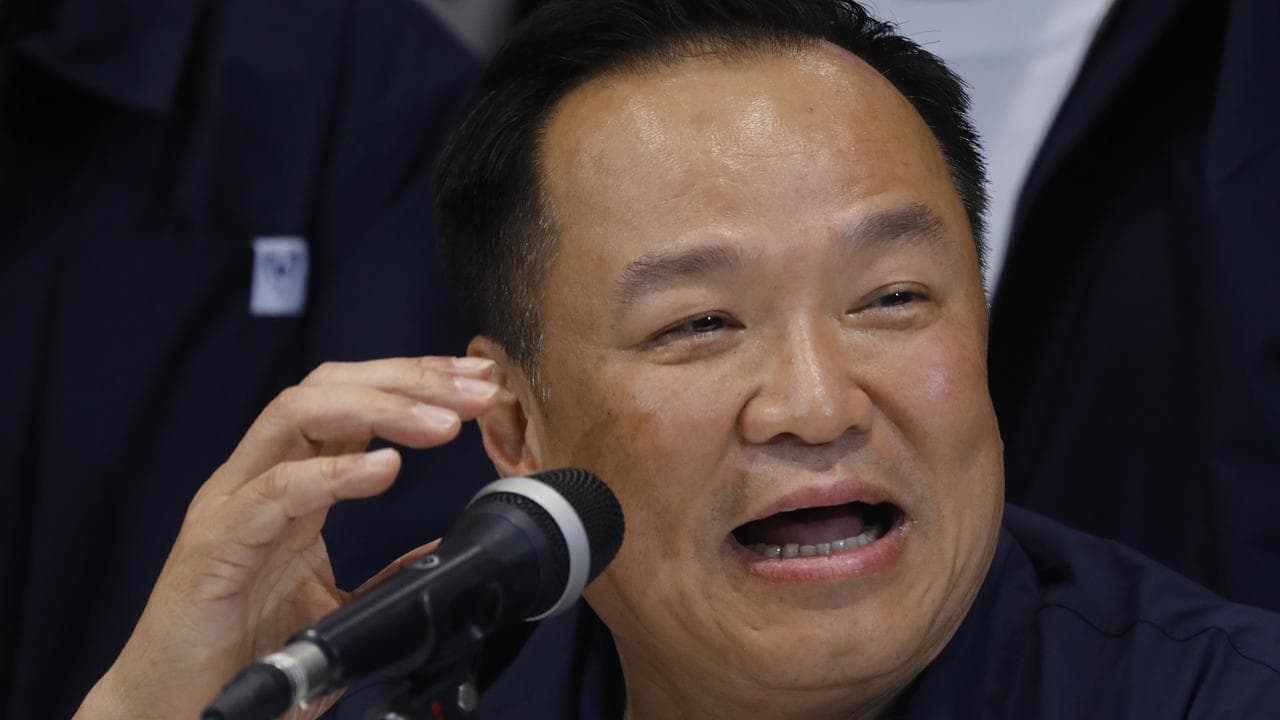
Thailand is facing faced a realignment of conservative politics after Prime Minister Anutin Charnvirakul's Bhumjaithai Party won a stronger-than-expected general election victory, with coalition talks expected to start in the coming days.
With 94 per cent of votes counted, Bhumjaithai was way ahead of its rivals after Sunday's vote, securing 192 of the 500 seats in Thailand's parliament, according to Reuters' calculations based on election commission data.
The People's Party, which led some polls in the run-up to the vote, trailed on 117, with the Pheu Thai Party third with 74.
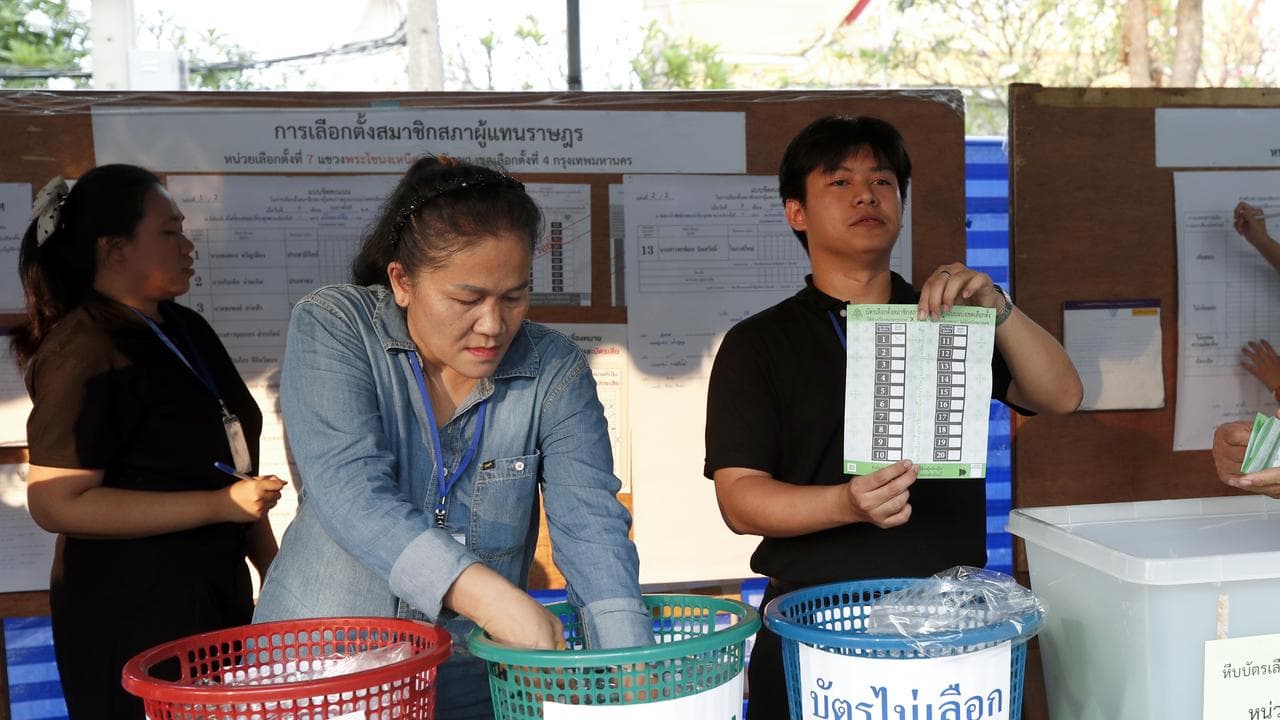
A handful of other parties won a combined 117 spots in the 500-seat parliament, according to Reuters calculations, but the final number of party list seats could change under Thailand's proportional electoral system.
Bhumjaithai had received 30.2 per cent of the votes, with analysts saying it consolidated the conservative vote after a surge in nationalist fervour, and took a string of seats from the once dominant Pheu Thai, controlled by the billionaire Shinawatra family.
Asked about forming a coalition and appointing a cabinet, Anutin told reporters on Sunday he was waiting for clarity on the final numbers and each party would need to hold internal discussions on how to proceed.
The prime minister previously indicated that if he was re-elected, the incumbent ministers of finance, foreign affairs and commerce would retain their roles in a new cabinet.
Anutin called the election in December after less than 100 days in office, and has sought to capitalise on a wave of nationalism generated by Thailand's three-week conflict with Cambodia. He described the election result as "a victory for all Thais".
The left-leaning People's Party has already ruled out the possibility of joining a coalition led by Anutin, with its leader Natthaphong Rueangpanyawut saying late on Sunday that it would not seek to form a rival coalition.
Polls at the end of January had the People's Party significantly ahead of Bhumjaithai.
Voters also backed a proposal to change the constitution, with nearly two-thirds in favour of replacing a charter put in place after a 2014 military coup, which critics say gave too much power to an undemocratic senate.
It is expected to take at least two years to implement the new constitution, with two more referendums required to endorse the drafting process and the final text.
with AP


