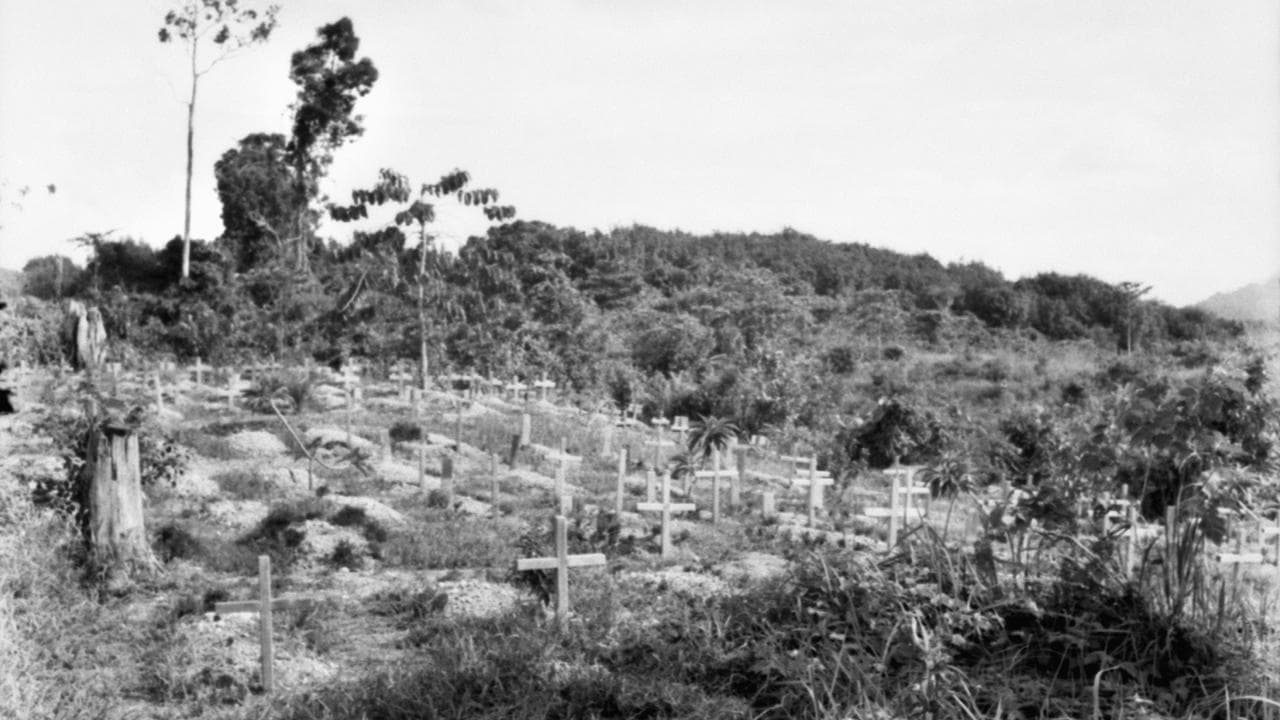
The notorious death marches from Sandakan through 260km of jungle to Borneo's interior in 1945 remain the greatest single atrocity committed against Australians in war.
Yet the starving and brutally beaten PoWs, all except a handful of whom perished, could have been saved but for two planned rescue missions cancelled due to disobeyed orders and incompetence.
The extraordinary claim is put forward by historian Lynette Silver in her new book Operation Kingfisher: Unravelling Sandakan’s Darkest Secret, which examines the intelligence and command failures behind the tragedy.
Had a first rescue mission gone ahead by April 30, 1945, almost 850 Australians held captive at Sandakan could have been rescued, along with 193 British prisoners, Ms Silver tells AAP.
If a second proposed mission had been carried out weeks later, 37 Australian and 16 British PoWs who remained at the Sandakan camp could have been liberated.
Ms Silver outlined the failures surrounding the first proposed rescue bid in a previous book.
But further research has uncovered a planned second attempt was put in train after it was learned the PoW camp wasn't empty, as had been wrongly reported after a reconnaissance mission.
Tragically, the mistake was repeated when instead of obtaining confirmation first-hand, field intelligence officers relied on local villagers informing them the camp had been abandoned after they saw PoWs marched away.
For the second time, a rescue mission was cancelled.
"The same awful mistakes were made that had been made with the first one - poor judgment, not following orders, incompetence," Ms Silver says.
"As a result, the ones who were still left alive at Sandakan couldn't be rescued and we lost everybody in the end."
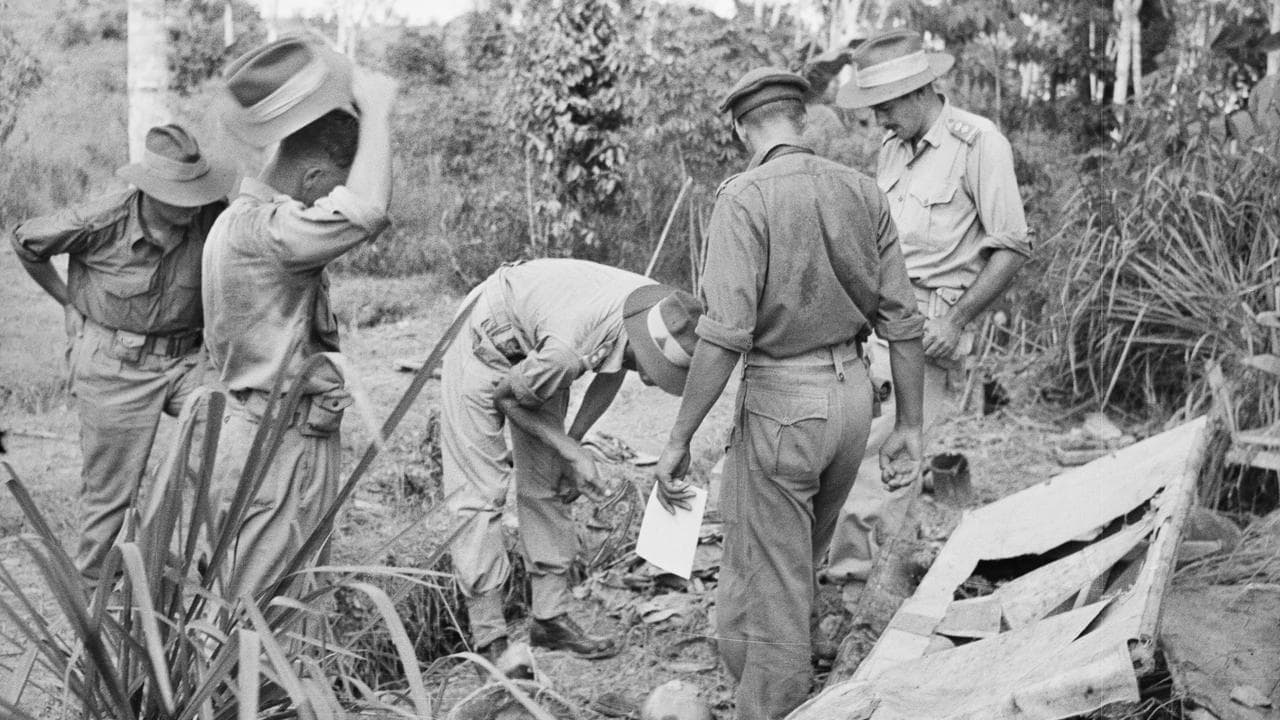
Believing the camp was empty, orders were given to bomb and strafe Sandakan, killing PoWs in the process.
Australian military officials acted to cover up the bungles, Ms Silver says, with General Tom Blamey saying US General Douglas MacArthur had refused to provide air transport for the first rescue.
That was a "total fabrication", she says, as the US general had approved the mission.
"It was a story invented by General Blamey to cover up the fact we had lost all these people," she says.
In early 1945, with Allied forces advancing, the Japanese sent more than 1000 Australian and British PoWs from Sandakan to Ranau, in Borneo’s rugged interior.
Many weak and sick prisoners died on the way; those unable to continue were killed and those too weak to march were left behind in the Sandakan camp, where all died or were killed.
Only six Australians, from more than 1000 PoWs sent to Ranau, survived the war.
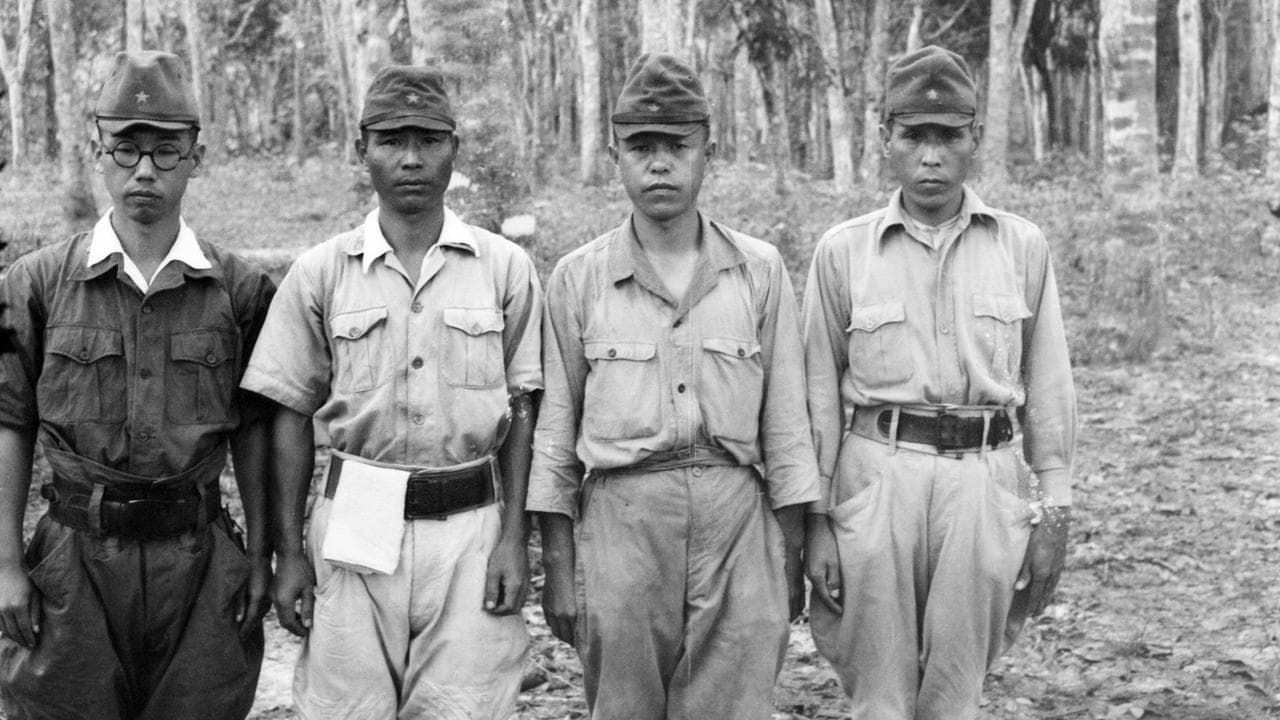
According to the Australian War Memorial 2428 allied prisoners of war, mostly Australians, died at Sandakan or on the three death marches in early 1945 or at Ranau. One was beheaded at Sandakan just five hours before Japan surrendered.
As Australian authorities realised the enormity of what had happened at Sandakan, a conscious decision was made to tell next of kin only that their loved ones "'died while prisoner of war in Borneo".
Information was withheld on the basis prisoners' families had suffered too much already, Ms Silver says.
Newspaper editors agreed to report on Japanese atrocities against Australians only in broad terms.
"There was a conspiracy to keep as much as possible from the public," Ms Silver says.
But information leaked and families believed their lost ones had been made to dig their own graves before being beheaded.
The exception became the norm, Ms Silver says, with news half had died or been killed on death marches turning into everyone being bayoneted or beheaded.
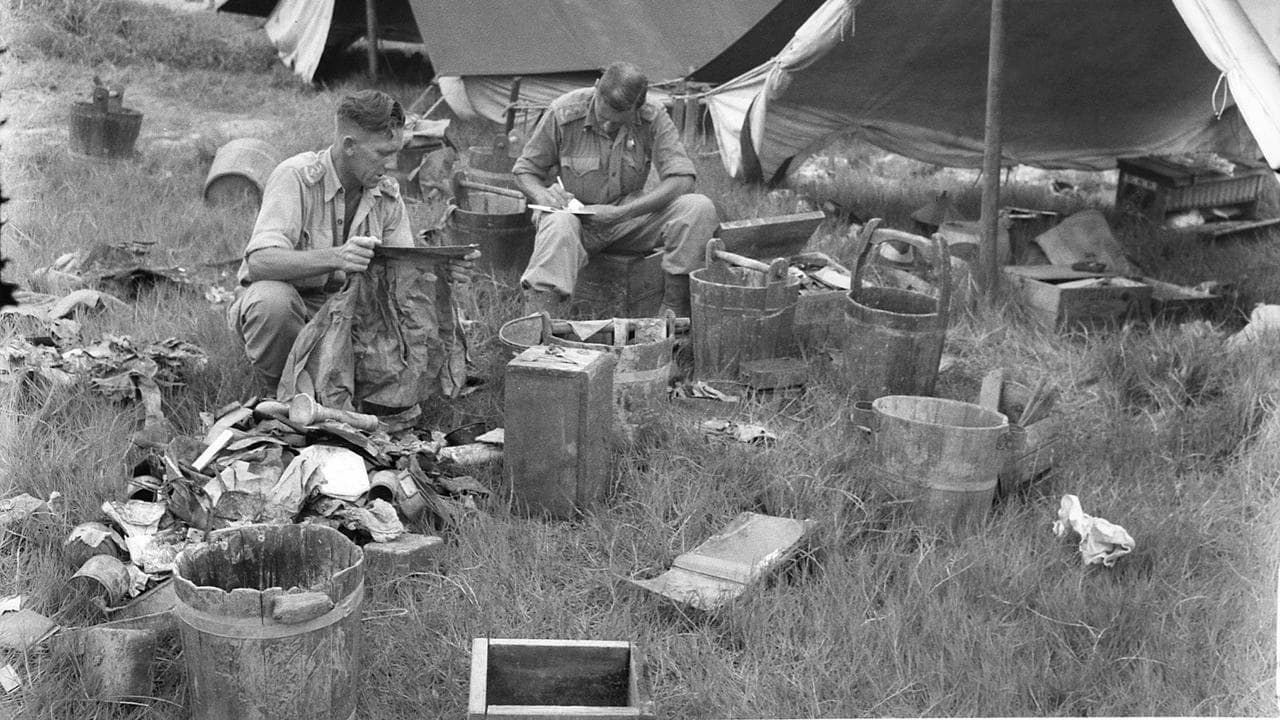
"That was the consequence of not telling people what happened," she says.
"It was done with good intent at the time but the long-term damage is absolutely enormous because you've got these families with half-baked stories and unresolved grief."
Ms Silver writes that the hardships of the PoW camps could test Australian friendships and even lead to murder committed over disputes.
"Australians like to talk about mateship and how it endures to the end but it doesn't always," she says.
"Some people will be saints. They'll give up their life for their friends. Others won't. It depends on the individual."
Australian War Memorial senior historian Craig Tibbitts tells AAP whether it was one or two planned rescue operations that didn't go ahead, it was "a botched affair".
"If the Services Reconnaissance Department had done a better job on gathering intelligence and communicating that back to higher headquarters, then perhaps things could have been different," he says.
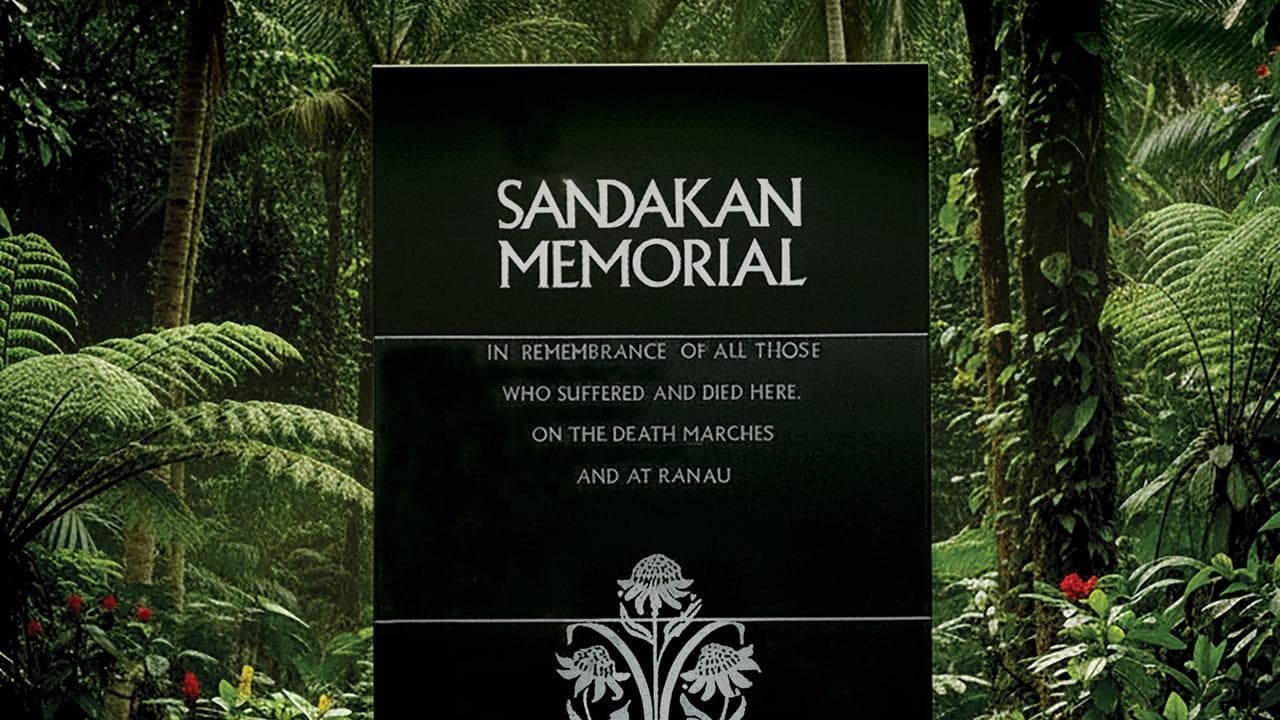
The PoWs were at Sandakan to maintain the Japanese airfield there.
But once the Allies bombed it out of commission and threatened a landing, the Japanese marched the prisoners off, most to their deaths.
Japanese officers at Sandakan were tried as war criminals and those convicted of brutality or murder were imprisoned or executed.


