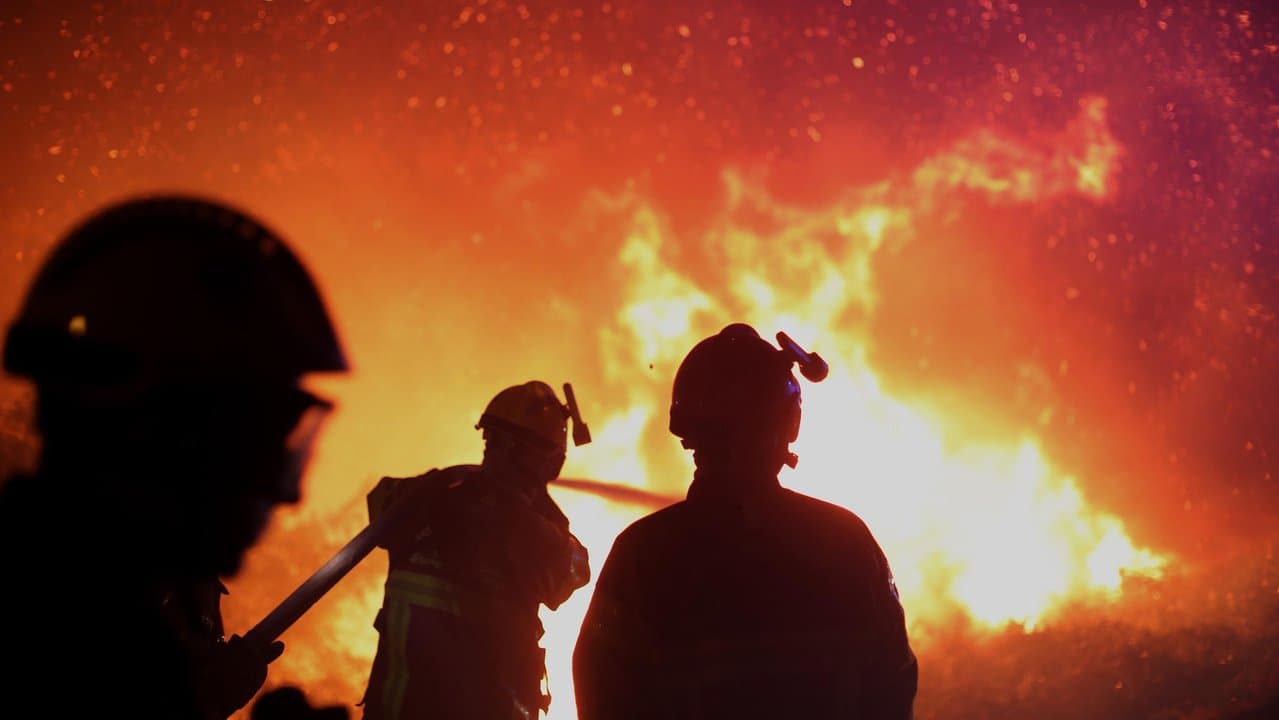
Tens of thousands of people have fled wildfires in southwest France and Spain declared a national emergency, as huge blazes merged outside Madrid and searing heat left tinder-dry conditions across the region.
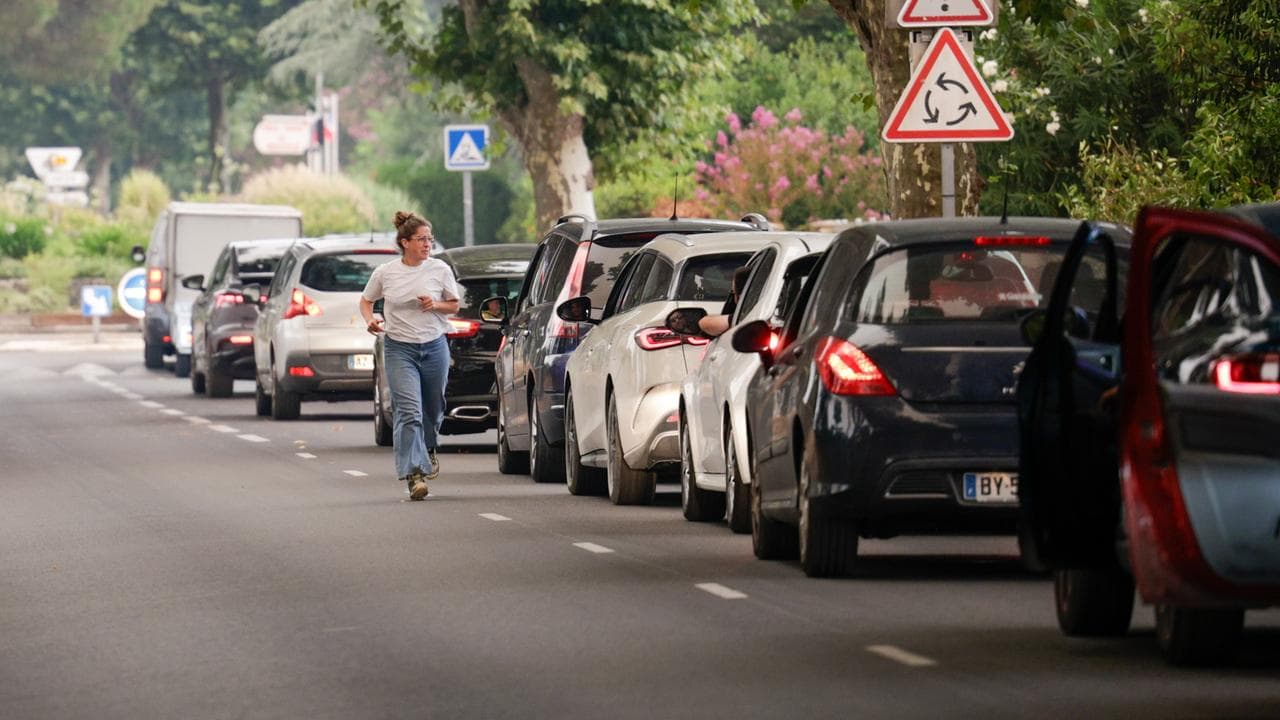
French authorities evacuated thousands of people from suburbs near Bordeaux on Saturday as wildfires in areas around the city showed no signs of abating.
Sophie Brocas, who heads the local administration of La Nouvelle-Aquitaine et de la Gironde which covers the Bordeaux region, said on X that the areas of Le Haillan, Eysines and Merignac were being cleared out.
French Prime Minister Sebastien Lecornu said more than 141,000 people had so far been evacuated from the Gironde and Landes regions which lie close to Bordeaux.
"The fires which are hitting our country have reached a level that has never been seen before," Lecornu wrote on X. The French army has also been drafted in to help.
On Friday, French authorities ordered the total evacuation of the Cap Ferret peninsula, a tourism hotspot on the country's Atlantic Coast.
In Spain, a third fire was on the verge of joining two fires that had merged outside Madrid.
Both countries, which have suffered a succession of heatwaves and fires in recent months and years that scientists say have been exacerbated by climate change, sought help from the European Union as the blazes strained emergency services.
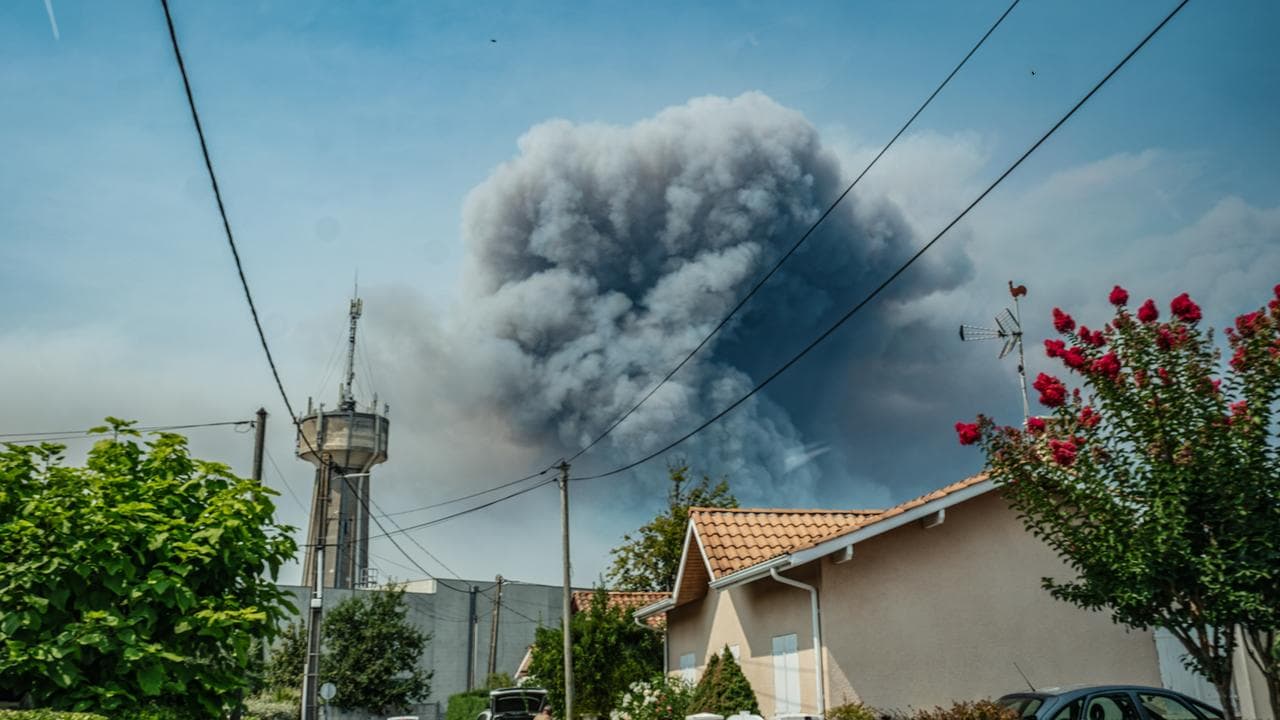
French President Emmanuel Macron asked the army to support firefighting efforts, a source close to the president said.
Spain's national emergency - the first it had ever declared over a wildfire - opened up federal funding to tackle the crisis.
In southwest France, authorities sent boats to help the evacuation, and about 110,000 people, many of them tourists, were told to leave as two major fires threatened homes and campsites, officials said.
The other major fire, which began in the nearby village of Saumos, north of Cap Ferret, is threatening to cut off the only road out of the peninsula and is the largest so far this season in France, Nunez told local television.
It has torn through more than 14,000 hectares of forest and destroyed more than 100 homes and one campsite, officials said.
More than 19,000 people were ordered to evacuate from towns in the mountains west of Madrid, as more than 2000 personnel and 10 aircraft struggled in vain to prevent the fires converging, Interior Minister Fernando Grande-Marlaska said.
A third fire in Avila province was on the verge or may have already merged with the two in Madrid, Nicanor Sen, the government representative for the Castile and Leon region, told reporters.
Spanish police said they had arrested one person and were investigating another suspected of starting that fire by using heavy machinery in a prohibited area.
The area west of Madrid, where many residents from the capital have second homes, is densely populated. In just one development 43 homes had been destroyed.
More than 29 major fires have broken out in Spain so far in 2026, damaging a surface area five times greater than at the same stage in 2025, when a record area was destroyed, Environment Minister Sara Aagesen said in a social media post.
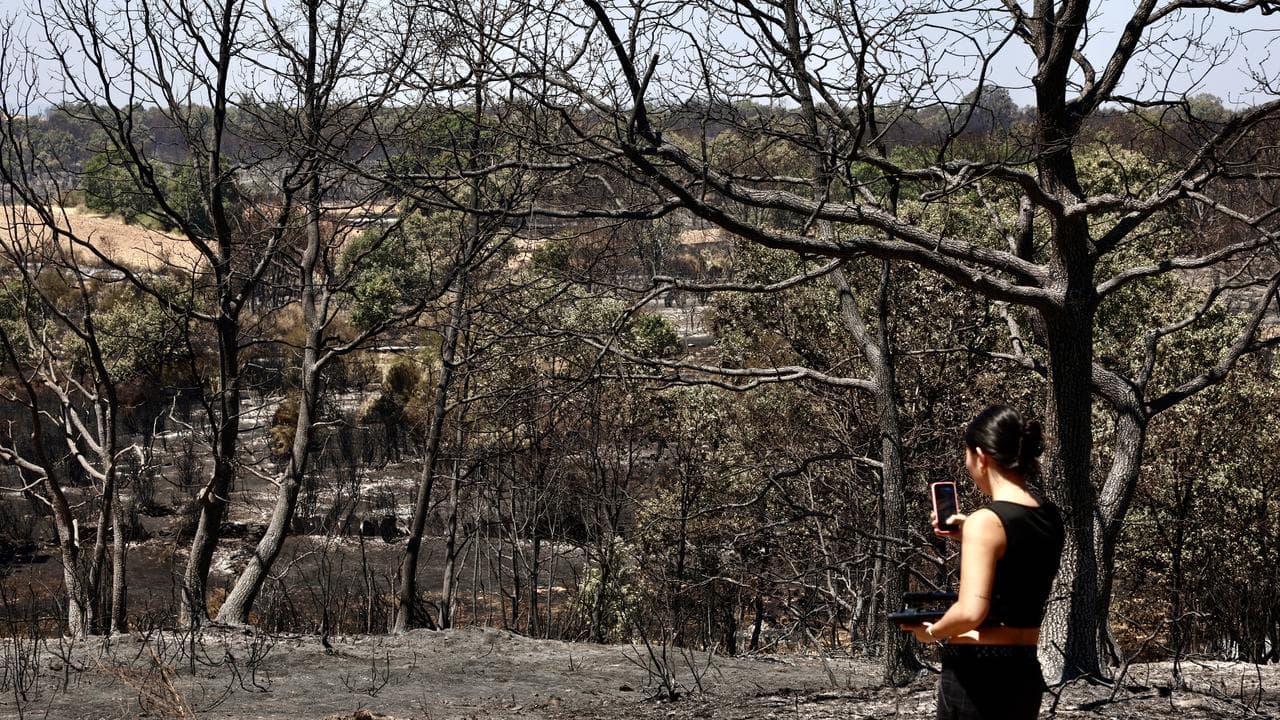
Wildfires have burned more land in Europe already this year than the annual average in the past two decades, data shows as the world's fastest-warming continent has endured three stifling, virtually back-to-back heatwaves so far this year.
Scientists say human-driven climate change is increasing the intensity of heatwaves, droughts and wildfires, while also creating conditions for sudden, destructive storms.
After a short reprieve over the weekend, average temperatures in France are expected to rise sharply again next week, according to official weather forecaster Meteo France.


