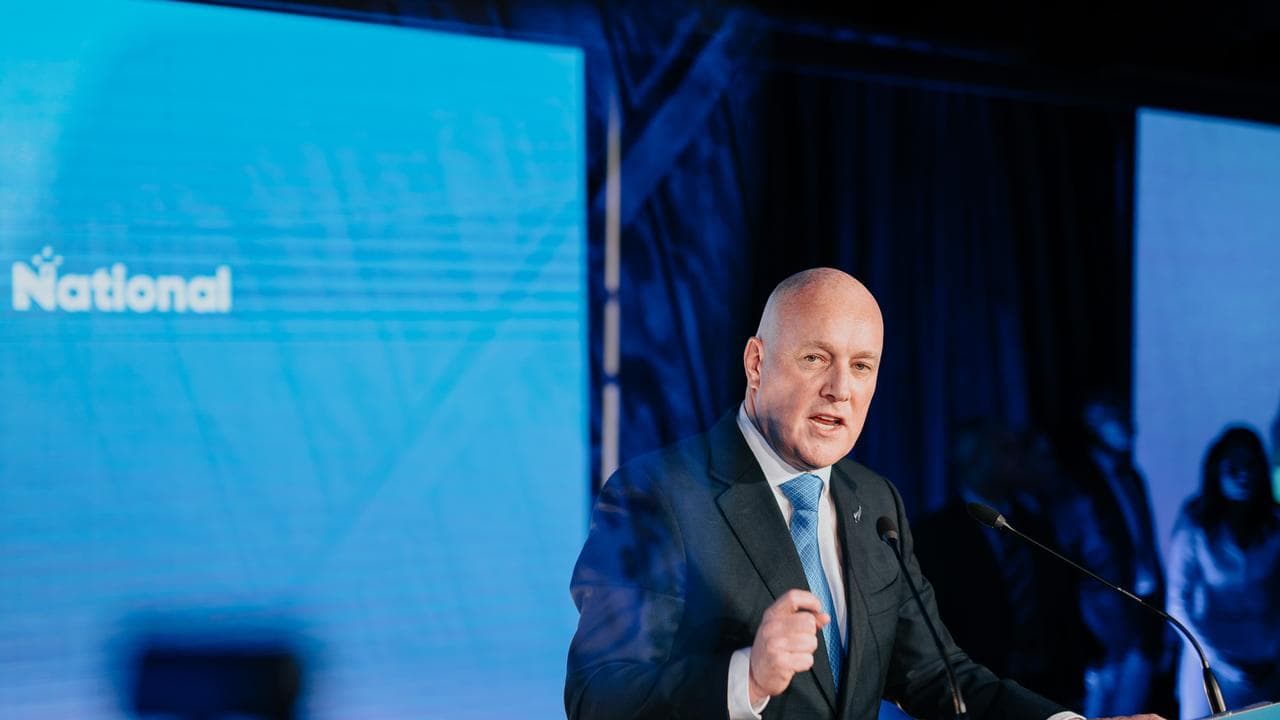
The starter's gun has been fired on the closest New Zealand election campaign in decades, with both major parties staging campaign launches in a tightening race.
Prime Minister Chris Luxon's ailing coalition faces a fight from Labour under Chris Hipkins to avoid being the first one-term government in half a century.
The contest is so close - between both the major parties and the broader right and left blocs - and so tense that one analyst is warning of 'unrest' after the November 7 poll.
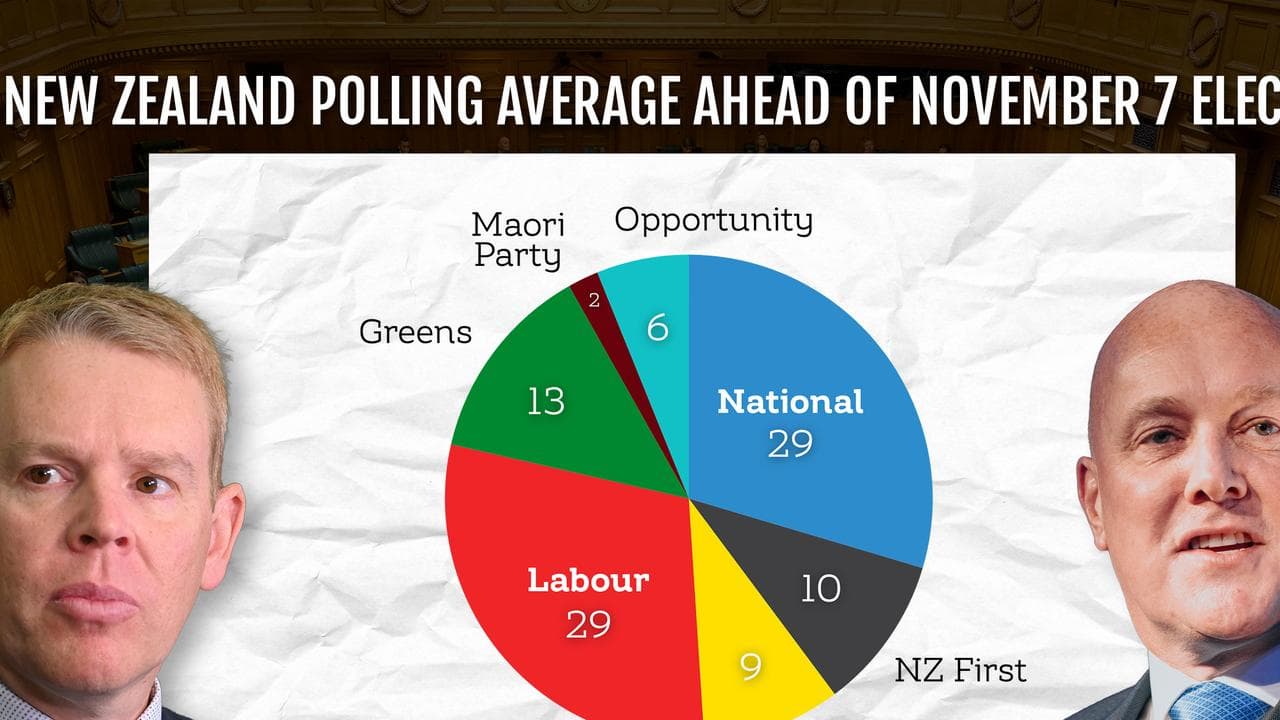
On Sunday, both National and Labour held rallies in Auckland to fire up their bases for the poll push ahead.
Based on those events, a month of mud-throwing awaits.
National's campaign slogan of "No New Taxes" is aimed squarely at the Labour challenge, given Mr Hipkins' promise to implement a capital gains tax.
Mr Luxon goes further, adding in the policies of Labour's would-be coalition partners to allege the left will bring in nine new taxes if they win office.
A furious Mr Hipkins called that allegation "bullshit" at his campaign launch, saying Mr Luxon was resorting to "outright lies".
Ben Thomas, a well-respected right-aligned commentator, said National's campaigning was proving effective.
"The attacks are working," he told Radio NZ.
"We've seen a pretty precipitous drop in Labor's polling since March where they peaked in the high 30s.
"Now they're right back neck-and-neck with National, I think about on per cent difference on average between the two, and I can't think (the attacks on tax) hasn't had an effect."
And while Labour has run a policy-light, small-target strategy so far, it has fulsomely attacked Mr Luxon.
The 56-year-old is a desperately unpopular prime minister who has survived two leadership challenges this term.
Kiwis have failed to warm to the corporate-speaking former executive, with Labour painting him as out-of-touch.
"Christopher Luxon seems to stand for blame, excuses, slogans, no real answers, and New Zealand going backwards," Mr Hipkins told the Labour launch.
"Ask yourself this - after three years of National, are you better off?"
The constant negativity has been cited as a reason the two major parties are polling at their lowest combined levels in NZ history.
More and more Kiwis are indicating support to the minor parties of the right - NZ First and ACT - and on the left, the Greens.
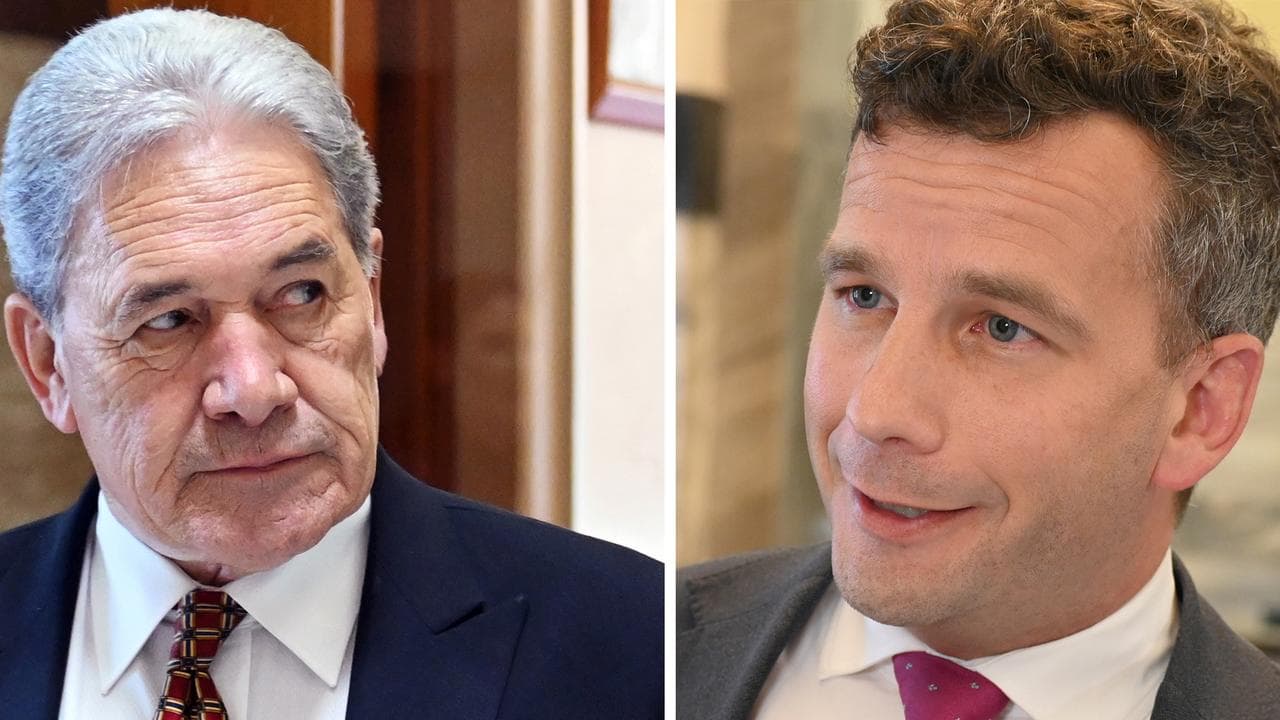
While the left-wing Maori Party has collapsed owing to internal issues, a new would-be partner for Labour has emerged: Opportunity.
The teal-esque force looks likely to enter parliament and possibly team up with the left, after Mr Luxon ruled out working with them.
The central issue remains cost of living and the strength of the economy.
Mr Luxon argues things are improving, with welcome predictions of a return to decent growth after a post-pandemic slowdown.
Labour points to decade-high unemployment and the pain of the last three years - which, in turn, National argues Labour created with COVID-era spending.
Beyond the economy, Mr Luxon's term has been coloured by major protests at their reduced role for Maori in government.

This follows the Labour-led governments of Jacinda Ardern embracing Maoridom's understanding of the Treaty of Waitangi - a major factor in their 2023 election loss.
This tension, the closeness of the contest and - following the election - possibly unpopular coalition dealings has led Mr Thomas to suggest the chance of ugliness after November 7.
"There's a lot of scope here ... for some unrest after the election," he said.
"We have struggled, in terms of social cohesion, in terms of people buying into democracy, recently.
"You would have these claims of an illegitimate government from at least some quarters."


