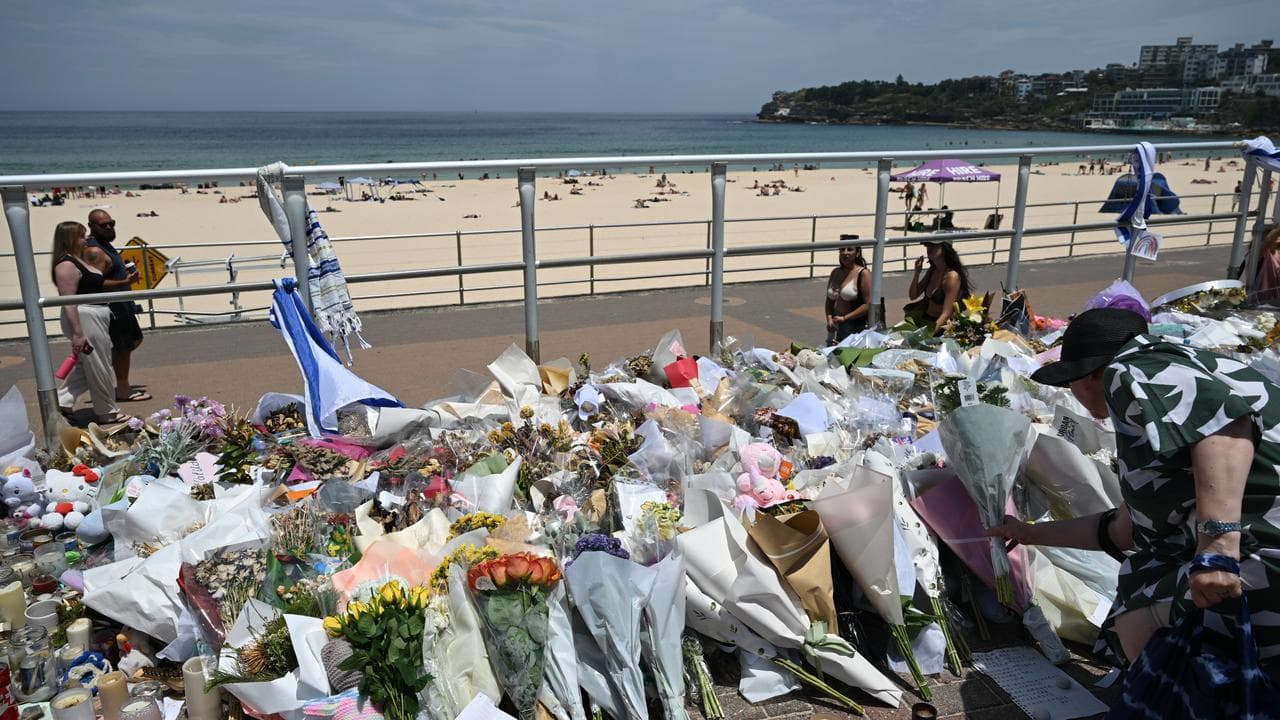
Removing an in-house intelligence analyst from a firearms licensing authority left gaps that posed a significant risk to public safety before the Bondi terror attack, an inquiry has been told.
NSW Police assistant commissioner Kirsty Heyward, who oversees police prosecutions and licensing enforcement, fronted the Royal Commission on Anti-Semitism and Social Cohesion on Wednesday.
The commission was told a senior intelligence analyst was staffed to the NSW Firearms Registry but removed in November 2021 because the role was deemed unnecessary.
The position remained vacant until February 2025.
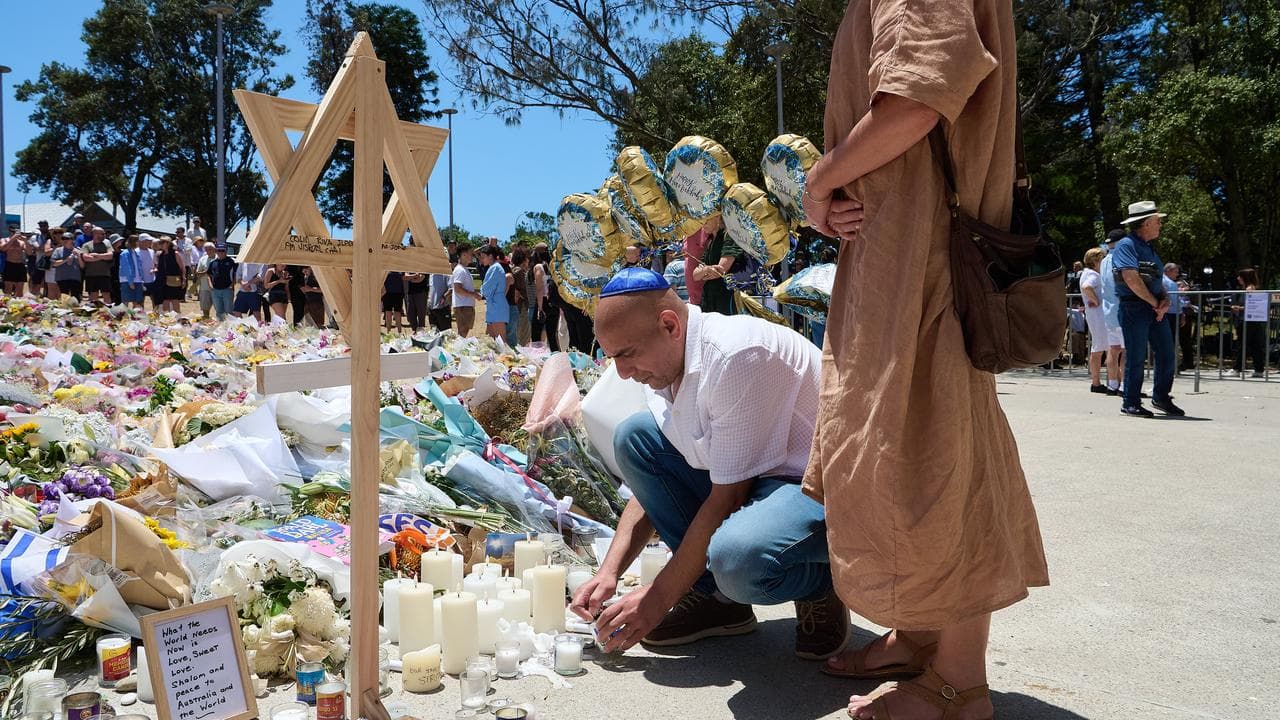
In 2023, the then-manager of licensing services at the registry found the lack of an intelligence resource created "risks to public safety due to capability gaps", counsel assisting Richard Lancaster said.
That manager reported performing intelligence support himself on an "ad hoc" basis because he happened to be trained in the field, the inquiry was told.
The commander of the registry at the time agreed the lack of in-house intelligence capability was a significant risk to public safety and NSW Police.
A proposal was approved to reinstate an intelligence position with the registry in late 2023, but the position wasn't filled again until early 2025.
Ms Heyward said the firearms licensing authority would expand to include three full-time intelligence analysts.
They would facilitate legislation amended after the December attack at Bondi to prevent a firearms permit being issued to anyone who has been investigated for terrorism-related activity.
The new restrictions also capture anyone who associates or resides with someone who has been investigated for alleged terror activity.
One of the gunmen, Naveed Akram, had been investigated for terrorism offences and lived with the other gunman, his father Sajid Akram, at the time of the killings.
Sajid Akram was the legal owner of six firearms, some of which were used in the attack that left 15 innocent people dead.
The firearms registry will also trial a “cradle to grave” model under which one person will assess an application across all levels rather than it being passed along a line of multiple assessors.
"It does then create total ownership of decision making,” Ms Heyward said.
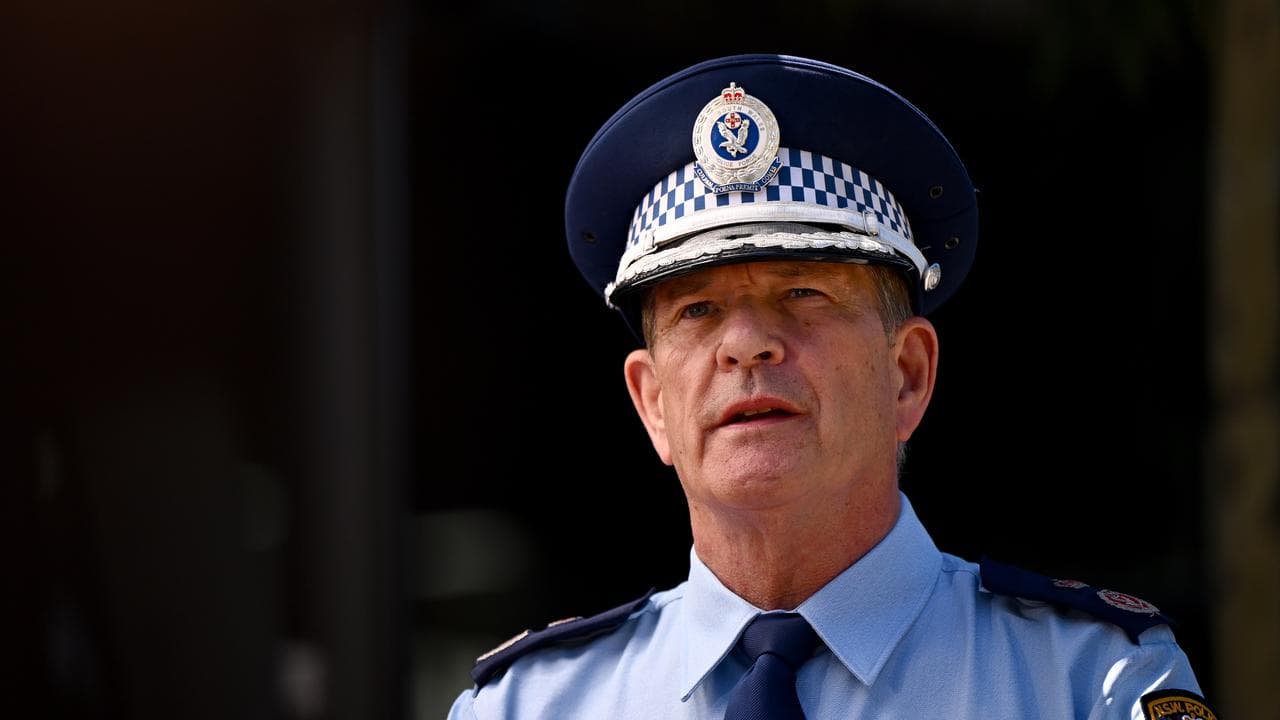
Earlier on Wednesday the NSW Police head of counter-terrorism accused federal intelligence agencies of sometimes being less than forthcoming with information.
Deputy Commissioner David Hudson suggested some enforcement agencies used a wide-reaching government policy to justify not sharing information.
Mr Hudson said he had observed various agencies taking different interpretations of the Protective Security Policy Framework when it came to distributing intelligence.
The framework is an overarching government policy that provides guidelines for organisations protecting their own information and people.
"From our perspective, we take a very open interpretation of the (framework) and if there is risk or threat we will share information with other agencies," Mr Hudson told the inquiry.
"But other agencies can, on occasions, not be so forthcoming.
"Getting information to the areas where it needs to be, in my opinion, should be the priority ... rather than relying upon the (framework) as a justification for not sharing information."
Mr Hudson called for consistency across agencies in the application of the framework, saying he would support a formal review of the policy if required.
The commission will continue in closed sessions for the rest of the week.


